



Heat Pump Installation in Orange County, FL



Heat pump installation in Orange County, FL is a practical, energy-smart choice for homeowners who want reliable year round comfort and lower utility bills. Van Eddies Heating & Air Conditioning provides professional heat pump installation services tailored to Central Florida climate conditions, local building codes, and the specific needs of your home.
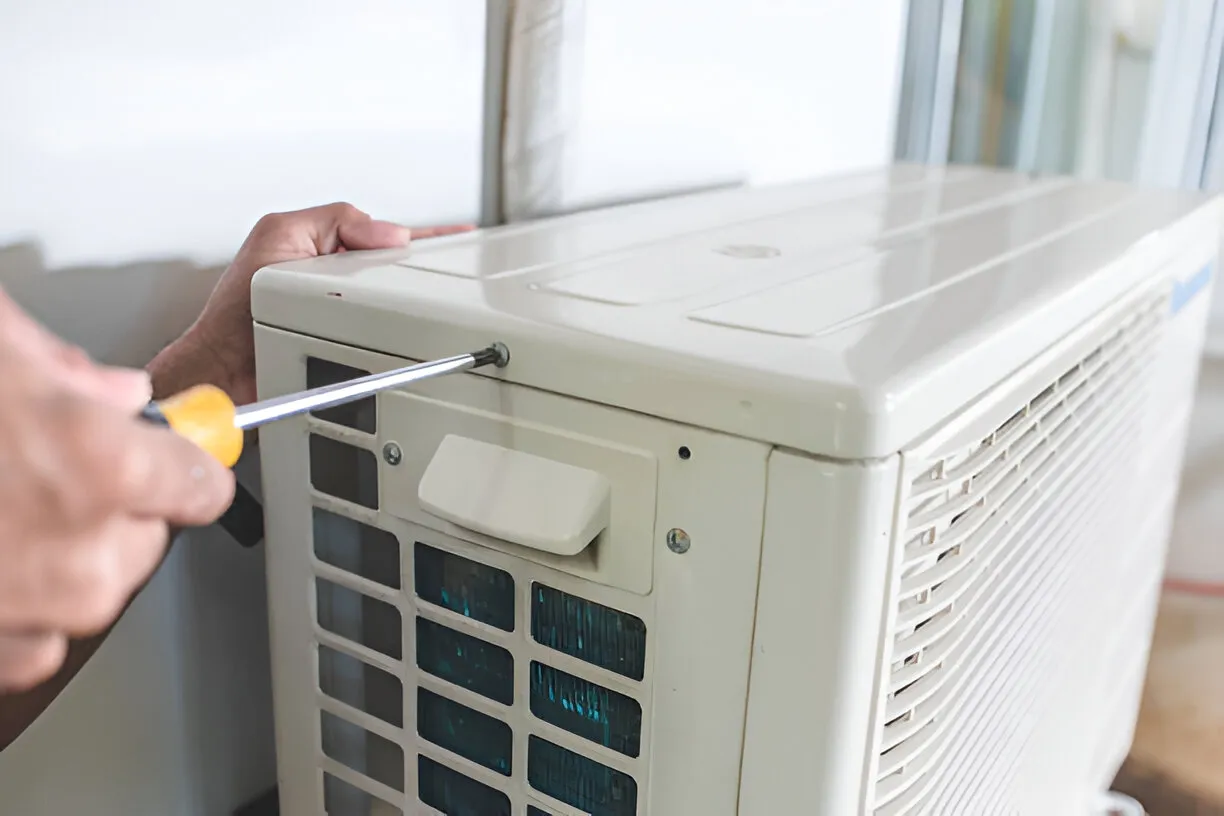
Why install a heat pump in Orange County, FL
Orange County has hot, humid summers and mild winters. Heat pumps are uniquely suited to this climate because they provide efficient cooling in summer and cost effective heating in winter without the need for a separate furnace. A properly installed heat pump can deliver:
- Consistent indoor comfort through year round temperature control.
- Lower energy consumption compared with many older systems, especially when replacing aging air conditioners or electric resistance heating.
- Improved humidity control when paired with correctly sized equipment and ductwork.
- An integrated solution for homes transitioning to electrification or seeking reduced greenhouse gas emissions.
Common homeowner pain points that lead to heat pump replacement or new installation include high energy bills, uneven temperatures between rooms, frequent breakdowns of aging equipment, and concerns about indoor air quality. Addressing these effectively requires expert assessment and precise installation.
Common heat pump types and which one fits Orange County homes
Choosing the correct type of heat pump is a critical early decision:
- Air source heat pumps: The most common option for Orange County homes. They extract heat from outside air to cool or warm your house. Modern units with variable speed inverter compressors perform well in Florida conditions.
- Ductless mini split systems: Ideal for older homes without ducts, room additions, or zones that need independent temperature control. They provide efficient cooling and heating with minimal disruption.
- Hybrid systems: Combine a heat pump with a gas furnace or other auxiliary heat source for homes that need high output during occasional cold snaps. In Central Florida, hybrids are less common but useful for specific needs.
- Heat pump water heaters: While not a space heating solution, they complement a high efficiency home strategy by reducing water heating costs.
Selecting the right configuration depends on load, ductwork condition, comfort goals, and budget.
Consultation and home assessment: the foundation of a lasting installation
A thorough consultation and on-site assessment are essential. Van Eddies Heating & Air Conditioning begins every installation project with a detailed evaluation that typically includes:
- Home walkthrough to understand occupant comfort patterns, thermostat locations, and existing equipment history.
- Manual J load calculation to determine the precise heating and cooling capacity your home requires. This prevents oversizing or undersizing, both of which reduce efficiency and comfort.
- Duct inspection and Manual D review to check for leaks, improper insulation, restricted airflow, or undersized runs. Ductwork issues are a leading cause of poor system performance.
- Attic and envelope inspection to assess insulation levels, attic ventilation, windows, and sources of air infiltration that affect load calculations.
- Electrical panel review to confirm available circuit capacity, disconnect requirements, and grounding for the chosen equipment.
- Site constraints review including condenser pad placement, refrigerant line-run lengths, drainage routing for condensate, and clearances for service and airflow.
This diagnostic stage identifies repairs or upgrades that must occur before or during installation to achieve rated efficiency and reliable operation.
System selection and precise sizing
After completing the assessment, we recommend systems based on:
- Correct tonnage determined by Manual J load calculations rather than rule of thumb.
- SEER and HSPF ratings appropriate for the homeowner’s efficiency and budget goals. Higher SEER and HSPF values typically yield greater energy savings in Orange County’s long cooling season.
- Variable speed inverter compressors or multi-stage systems for improved humidity control, quieter operation, and better part load efficiency.
- Matched system components (indoor coil, outdoor condensing unit, and controls) to maintain manufacturer warranty coverage and optimal performance.
- Ductless zones or multi-zone options when ductwork modifications would be disruptive or costly.
- Consideration of refrigerant type and future serviceability.
Proper sizing also accounts for attic heat gains, window shading, occupancy, and planned home improvements such as increased insulation or window replacement.
Energy-efficiency considerations for Orange County homes
Efficiency in Central Florida depends on both equipment and installation quality. Key considerations include:
- SEER and HSPF: Higher seasonal efficiency ratios reduce cooling and heating costs. In hot climates like Orange County, SEER is a major driver of savings.
- Variable speed fans and compressors: These components modulate to meet demand, improving comfort and reducing short cycling.
- Duct sealing and insulation: Sealing leaks and insulating ducts passing through unconditioned spaces prevents energy loss and improves delivered cooling.
- Proper refrigerant charge and airflow: An accurately charged system and correct airflow maintain manufacturer efficiency and extend equipment life.
- Thermostat selection and zoning: Programmable and smart thermostats with zoning strategies reduce runtime and increase comfort.
- Attic and envelope improvements: Increasing attic insulation and reducing air infiltration help reduce load and allow for a smaller, less expensive system.
Energy rebates, utility incentives, and possible federal tax credits may be available for qualifying high efficiency heat pumps. Homeowners should review current incentive programs as part of the selection process.
Permit and code compliance in Orange County, FL
Heat pump installations in Orange County must comply with the Florida Building Code and local county permitting rules. Typical compliance elements include:
- Pulling required permits for equipment replacement, new installations, and significant ductwork changes.
- Meeting mechanical equipment clearance and structural anchoring requirements, especially for outdoor condensers in areas subject to high winds.
- Providing load calculation documentation and equipment specifications to the permitting authority when requested.
- Following proper refrigerant handling and recovery procedures in line with federal and state regulations.
- Ensuring condensate disposal meets code, including pump requirements for high or remote condensate discharge locations.
Van Eddies Heating & Air Conditioning maintains the licensing and code knowledge necessary to ensure installations meet local permitting and inspection criteria. Proper permitting protects homeowners and preserves warranty and insurance coverage.
Step-by-step installation and commissioning procedures
A professional installation follows a structured process designed to minimize disruption and ensure reliable system performance. Typical steps are:
Pre-install preparation
- Confirm system selection, model numbers, and installation documents.
- Verify delivery and staging locations for equipment.
- Protect interior floors and landscaping during removal and installation.
Removal of existing equipment
- Recover refrigerant according to regulations.
- Remove old equipment and dispose of it in accordance with local laws.
- Inspect and prepare existing ductwork or plan for duct modifications.
Mechanical and electrical installation
- Install or level a new condenser pad and anchor per code for wind resistance.
- Run and properly insulate refrigerant line sets with correct sizing and routing to minimize length and bends.
- Upgrade or install electrical circuits, disconnects, and breakers sized for the new equipment.
- Install matched indoor coil or air handler, ensuring proper coil fit and airflow compatibility.
Ductwork and airflow adjustments
- Seal and insulate duct connections to the new coil.
- Repair or add duct transitions, return paths, and dedicated attic returns if needed.
- Install new or relocate thermostats and sensors for accurate control.
Charging, start up, and commissioning
- Evacuate and leak test the refrigerant lines before charging.
- Charge the system to the manufacturer specified refrigerant level or use superheat/subcooling methods for long runs.
- Calibrate airflow, measure static pressure, and adjust blower settings to achieve manufacturer recommended CFM per ton.
- Verify electrical connections, motor amps, and operating voltages.
- Test heating mode performance and defrost control if applicable.
Homeowner orientation and documentation
- Demonstrate thermostat operation, system modes, filter access, and maintenance items.
- Provide equipment manuals, warranty documentation, and the commissioning checklist or report.
- Leave clear instructions about filter replacement schedules and maintenance expectations.
Each installation step is documented to support warranty claims and to provide a clear service history for the homeowner.
Post-installation testing and verification
Testing after installation proves the system meets performance expectations:
- Temperature split measurement across the evaporator to confirm proper cooling performance.
- Airflow measurement in cubic feet per minute (CFM) to ensure each zone receives design airflow.
- Refrigerant superheat and subcooling checks to confirm accurate charging under load conditions.
- Electrical load testing including start up current and running amps to verify safe operation.
- Static pressure testing to locate any remaining duct restrictions.
- Condensate flow and float switch operation testing to prevent water damage.
- Noise and vibration checks at the indoor and outdoor components.
A completed commissioning report outlines measured values and any corrective actions taken during startup.
Warranty, maintenance, and long-term service recommendations
Protecting your investment requires understanding warranty coverage and committing to routine maintenance. Key points:
- Manufacturer warranties typically cover parts and compressors, sometimes with separate labor warranty terms. Proper installation by a licensed contractor is often a condition of full warranty coverage.
- Installation labor warranties offered by the contractor protect against installation defects for a defined period. Van Eddies Heating & Air Conditioning provides documentation of installation practices that support warranty claims.
- Recommended maintenance for Orange County homes includes at minimum two seasonal tune ups per year to address cooling and heating mode performance, coil cleaning, condensate clearing, and refrigerant checks.
- A maintenance plan can include priority scheduling, regular filter reminders, and a 21-point tune-up that catches small issues before they become major repairs.
- Regular filter changes, keeping outdoor units free of debris, and maintaining proper attic insulation all extend system life and maintain efficiency.
- Track service records and provide them to any future homeowner to maintain resale value and warranty eligibility.
A proactive maintenance plan prevents premature failure from corrosion, blocked condensate lines, and reduced efficiency due to dirt and wear.
Financing and incentives overview
Many homeowners leverage financing and available incentives to make high efficiency heat pump installations more affordable. Options to consider include:
- Manufacturer or dealer financing programs that spread cost over time.
- Utility rebates for installing high efficiency equipment or performing duct improvements.
- Federal or state tax credits that support energy efficient and electrification projects when available.
- Seasonal promotions sometimes offered by local contractors to reduce upfront cost or include additional maintenance benefits.
Financing and incentives change over time and eligibility varies by program. Reviewing current offerings as part of the planning process helps set realistic budget expectations.
Why professional installation matters in Orange County, FL
A heat pump installed correctly by a licensed contractor like Van Eddies Heating & Air Conditioning delivers measurable benefits:
- Right size and configuration increases comfort and reduces operating cost.
- Correct refrigerant charge and airflow maintain manufacturer efficiency and reliability.
- Proper ductwork sealing and insulation ensures the system delivers conditioned air where you need it.
- Compliance with local code and permitting protects homeowners and preserves warranty and insurance standing.
- Local knowledge of Orange County weather, humidity patterns, and home construction types results in better equipment selection and placement decisions.
- Documentation and a professional commissioning process provide proof of performance and support for any future claims.
Homes in Orange County subject to high cooling demand benefit most when system performance is optimized from the start.
Common installation issues and how they are resolved
Several installation problems frequently reduce performance. A professional approach addresses these common issues:
- Oversized equipment causing short cycling: Resolved by accurate load calculations and selecting equipment matched to load.
- Undersized or leaky ductwork: Fixed by duct repair, sealing, and insulation or by redesigning the duct layout.
- Improper refrigerant charge: Corrected using measured superheat and subcooling during commissioning.
- Poor airflow from incorrect blower setup: Adjusted by blower speed selection or motor replacement to meet CFM requirements.
- Electrical or panel capacity issues: Resolved by upgrading circuits or service panels to meet code and manufacturer needs.
- Condensate problems leading to water damage: Addressed with proper drain pitch, traps, and float switches.
Identifying these during the consultation and resolving them during installation prevents recurring service calls and improves long term performance.
Long term value: energy savings, comfort, and resilience
An accurately installed heat pump that matches home needs delivers:
- Lower operating costs compared with older systems and inefficient heating sources.
- More consistent temperatures and improved humidity control for healthier indoor air.
- Reduced environmental impact from higher efficiency electric systems, particularly when paired with solar or other clean energy sources.
- Reliability and resilience during seasonal weather swings when paired with prudent maintenance.
Homeowners who plan for long term efficiency and serviceability receive the highest return on their investment.
Maintenance Plan
Heat Pump/ AC Tune-Up

Furnace Tune-Up
Customer Testimonials