


Orange County, FL



An efficient, reliable HVAC system is essential for Orange County, FL homes and businesses to stay comfortable year-round. High humidity, long cooling seasons, and seasonal storms create unique challenges that accelerate wear, encourage mold growth, and raise energy costs. Our comprehensive HVAC services address installation, repair, diagnostics, and indoor air quality so your system performs safely, efficiently, and consistently when you need it most.
Common HVAC issues in Orange County, FL
Understanding the frequent problems local properties face helps you spot trouble early.
- Insufficient cooling or uneven temperatures — often caused by dirty coils, low refrigerant, undersized equipment, or duct leaks.
- Short cycling and frequent on/off cycles — typically due to incorrect thermostat settings, refrigerant issues, or failing controls.
- Frozen evaporator coils — caused by restricted airflow, dirty filters, or low refrigerant.
- High humidity and condensation problems — Florida humidity can overwhelm systems without proper dehumidification or drainage.
- Refrigerant leaks and compressor failures — more common in older systems or units exposed to salt and corrosion.
- Clogged condensate drains and water leaks — can cause interior damage and mold if not addressed.
- Storm and debris damage after hurricanes — bent fins, damaged condensers, electrical faults.
Full-service installations and replacements
Correct installation is the foundation of reliable performance and efficiency. Services include:
- Load calculation and system sizing (Manual J) to match capacity to your property and occupancy.
- Air conditioning and heat pump installation or replacement with attention to SEER ratings and local climate needs.
- Furnace and ductless mini-split installations for homes or zones that require supplemental or specialized heating.
- Ductwork design, sealing, and insulation to ensure balanced airflow and minimize energy loss.
- Permitting and code-compliant installation to meet Orange County regulations and safety standards.
We prioritize proper equipment selection, line set routing, refrigerant charge, and airflow tuning so new systems deliver expected efficiency and longevity.
Diagnostics and emergency repair procedures
When equipment fails, a systematic diagnostic process identifies the true cause so repairs last.
- Initial safety check and system shutdown to prevent further damage.
- Electrical testing of breakers, capacitors, relays, and contactors.
- Refrigerant pressure testing and leak detection.
- Airflow measurements including static pressure, return/exhaust checks, and blower performance.
- Component-level testing for compressors, motors, thermostats, and control boards.
- Transparent repair recommendations with options to repair, replace, or temporarily mitigate until a permanent repair is scheduled.
Emergency repair procedures prioritize restoring cooling quickly and safely during heat events, while documenting findings and long-term solutions to prevent repeat failures.
Seasonal maintenance plans and the 21-point tune-up
Preventative maintenance reduces breakdowns and preserves efficiency—especially important in Orange County’s climate.
- The 21-point tune-up includes: filter inspection/replacement guidance, refrigerant check, condenser and evaporator coil cleaning, electrical connection tightening, capacitor and contactor inspection, blower and motor check, drain line clearing, thermostat calibration, safety control tests, duct inspection, and system performance verification.
- Seasonal tune-ups before cooling and heating seasons help avoid mid-summer failures and extend equipment life.
- Maintenance plans often include scheduled visits, service history tracking, and priority scheduling to lower the risk of emergency repairs.
Benefits: improved efficiency, longer equipment life, and more consistent comfort throughout the year.
Indoor air quality solutions for Florida homes
High humidity, pollen, and indoor contaminants make IAQ a priority in Orange County.
- Air purifiers and UV coil/air purifiers reduce biological growth on coils and neutralize airborne pathogens.
- Ventilation systems: ERV and HRV options bring controlled fresh air without introducing excessive humidity.
- Whole-house humidification or dehumidification to maintain comfortable relative humidity and reduce mold risk.
- Filtration upgrades: media filters, HEPA-compatible systems, and electronic air cleaners capture finer particles and allergens.
- IAQ assessments identify allergens, VOCs, and humidity issues so solutions are targeted and effective.
Financing, promotions, and cost management
Replacing major HVAC equipment can be a significant investment. Many customers use financing programs, manufacturer rebates, or seasonal offers to make high-efficiency upgrades more affordable. Clear, written estimates compare equipment options, projected energy savings, and available incentives so you can make an informed decision that balances upfront cost and long-term operating expense.
Service agreements and benefits of preventative maintenance
Service agreements formalize routine care and deliver predictable benefits:
- Regularly scheduled maintenance reduces emergency repairs and improves equipment reliability.
- Documented service supports warranty compliance and can increase resale value.
- Agreements often include inspection records, priority scheduling, and performance checks to prolong system life.
Technician qualifications and licensing
Quality service starts with qualified technicians who follow best practices and safety standards:
- Technicians are state-licensed and EPA-certified for refrigerant handling.
- Factory training on major brands, NATE-type certifications, and ongoing continuing education ensure up-to-date skills.
- Background checks, proof of insurance, and adherence to safety protocols protect your property and peace of mind.
How to schedule service or request estimates
Scheduling and estimates follow a straightforward process to keep work transparent and efficient:
- Start with a system assessment—either remote intake details or an on-site inspection to evaluate current equipment, ductwork, and home usage patterns.
- Receive a written estimate that outlines recommended repairs or replacement options, equipment specifications, efficiency comparisons, and financing alternatives.
- For installations, expect a site visit for sizing and duct evaluation, permit handling, and a clear timeline for work and inspections.
Consistent documentation and clear, itemized proposals make it easy to compare options and plan for service or upgrades.
Maintenance tips to maximize performance
Simple, regular steps reduce the likelihood of repair:
- Replace or clean filters monthly during heavy use months.
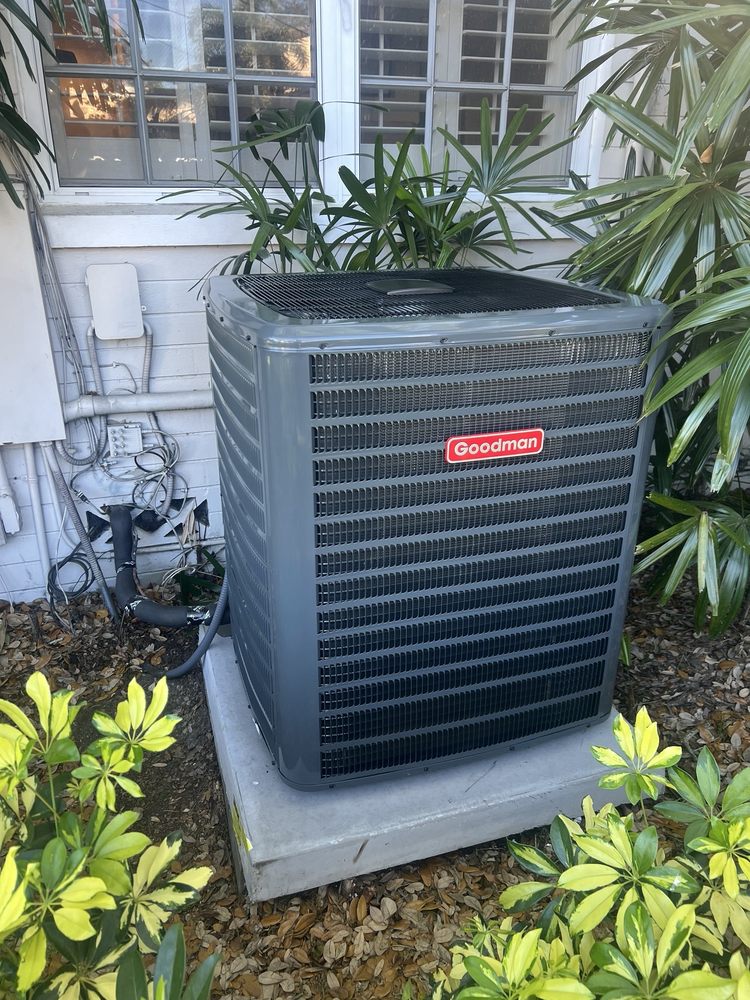
- Keep outdoor units clear of debris, plants, and direct blockages.
- Ensure condensate pans and drain lines are unobstructed.
- Use a programmable or smart thermostat to reduce runtime and even out cycling.
- Schedule seasonal tune-ups before peak cooling or heating seasons.
Maintenance Plan
Heat Pump/ AC Tune-Up

Furnace Tune-Up
Customer Testimonials