



Heating Repair in Conroe, TX



Keeping your home warm and safe during cooler months in Conroe, TX means having a heating system that runs reliably when you need it. Whether you have a gas furnace, electric furnace, or heat pump, timely and accurate heating repair prevents uncomfortable cold spots, higher energy bills, and safety risks like carbon monoxide exposure.
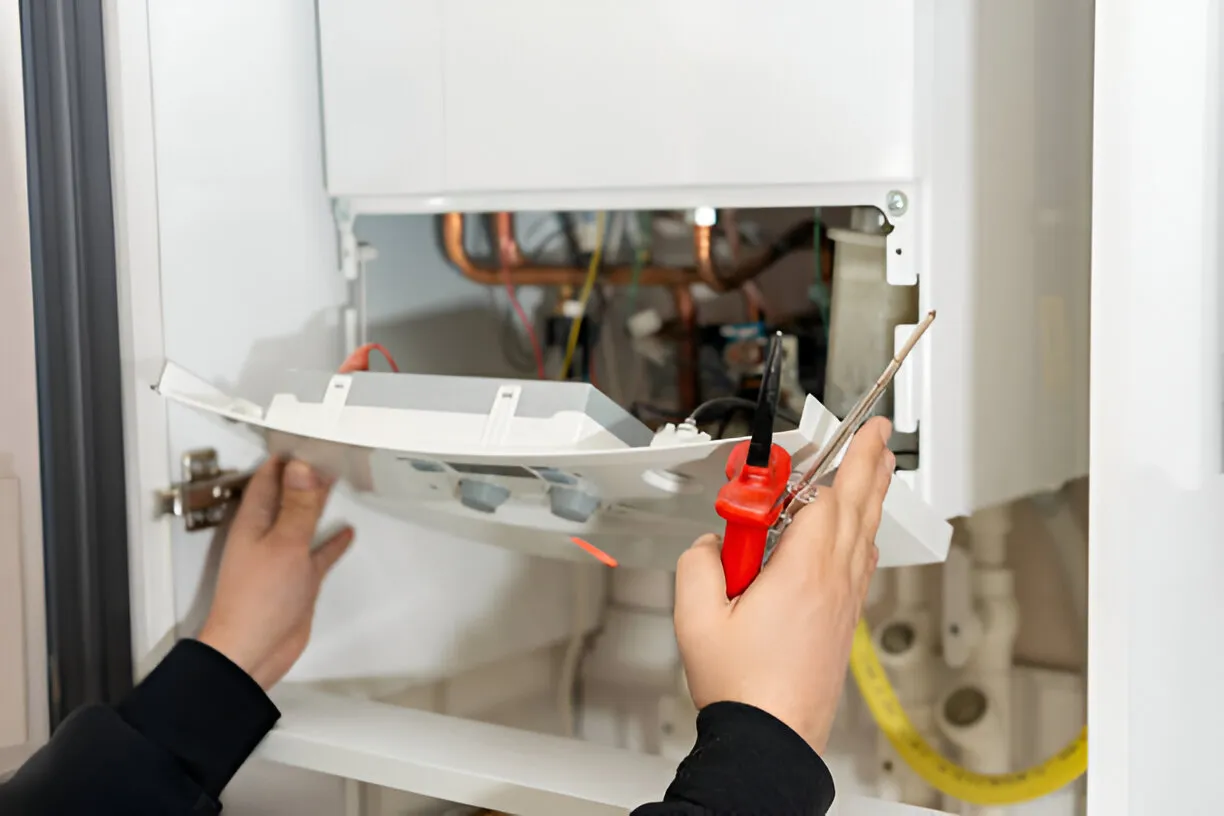
Why heating repair matters in Conroe, TX
Conroe sits in a humid subtropical climate where winters are typically mild but can include sudden cold snaps. Heat pumps are common because they provide efficient heating and cooling, but they can be stressed during unseasonably cold or wet conditions. Humidity, pollen, and storm-related power outages around Lake Conroe and Montgomery County also contribute to system wear and unexpected failures. Fast, professional heating repair restores comfort and reduces secondary issues like frozen pipes or moisture-related mold.
Common furnace and heat pump failure symptoms in Conroe
- Uneven heating or rooms that stay colder than others
- Unit cycles on and off frequently (short cycling)
- Weak or no airflow from vents despite the blower running
- Strange noises: banging, grinding, squealing, or hissing
- System won’t start or thermostat shows error codes
- Higher than normal energy bills without increased thermostat use
- Visible yellow or irregular furnace flame (possible combustion issue)
- Heat pump running but producing cold air, or frozen outdoor unit coils
- Frequent pilot outages, ignition failures, or delayed ignition on gas furnaces
How technicians diagnose heating problems
A methodical diagnostic process separates quick fixes from complex repairs. Typical steps include:
- Visual inspection of the furnace or heat pump, ducts, vents, and outdoor unit for obvious damage, debris, or leaks
- Thermostat verification and control board error code review to capture fault history
- Electrical testing of capacitors, relays, motors, and safety switches to identify failed components
- Airflow measurement and filter inspection to rule out airflow restrictions
- For gas furnaces: combustion and venting check, gas valve and ignition system testing, and carbon monoxide screening
- For heat pumps: refrigerant pressure check, reversing valve function, compressor testing, and outdoor coil inspection for ice buildup or debris
- Ductwork inspection for leaks or disconnections when uneven heating is present
These steps help determine whether a repair, part replacement, or full system replacement is the appropriate solution.
Typical on-site repair procedures
When technicians perform repairs on-site, they follow industry-standard safety and service steps:
- Turn off power and gas (if applicable) and lock out equipment for safety
- Replace failed components such as blower motors, capacitors, ignitors, flame sensors, control boards, contactors, reversing valves, or thermostats
- Evacuate and recharge refrigerant only when leaks are repaired and levels are verified (heat pump service)
- Clean burners, coils, and flame sensors to restore reliable operation and efficiency
- Tighten electrical connections, lubricate moving parts where appropriate, and realign belt-driven blowers
- Calibrate the thermostat and run the system through several heating cycles to verify stable operation
- Provide a post-repair checklist and note any recommended follow-up (filter changes, duct sealing, or potential future replacement)
Safety checks—especially combustion analysis and carbon monoxide testing for gas furnaces—are standard parts of the repair process in Conroe homes.
Replacement parts and warranty considerations
Common replacement parts include ignitors, flame sensors, control boards, blower motors, capacitors, thermostats, reversing valves, and compressors. Warranties vary:
- Manufacturer part warranties typically range from 1 to 10 years depending on the component and unit age
- Aftermarket parts may carry shorter warranties, commonly 90 days to 2 years
- Labor warranties from service providers commonly cover repairs for a defined period (for example 30 to 365 days), but terms differ widely
Always ask for the specific warranty length and what it covers before work begins. In Conroe, retaining documentation is important after storm-related repairs or during warranty claims that may reference localized weather damage.
Typical response times and emergency repair options
- Non-emergency repairs are often scheduled within 24 to 72 hours depending on seasonality and part availability.
- During cold snaps or major outages, expect longer waits as demand spikes.
- After-hours or emergency repair services are commonly available for issues that pose safety risks (no heat in freezing temps, suspected carbon monoxide leaks, or total system failure overnight). Emergency response may provide same-day or within-hours service depending on local staffing and road conditions after storms.
When calling for emergency repair in Conroe, be prepared to describe symptoms, unit type, and any recent service history to help triage the issue quickly.
Tips to prevent repeat breakdowns in Conroe homes
- Change or clean filters every 1 to 3 months during use; Conroe’s pollen and humidity load can clog filters faster.
- Schedule annual heating tune-ups: combustion and safety checks for furnaces and refrigerant and electrical inspections for heat pumps.
- Keep the outdoor unit clear of leaves, grass, and debris and maintain 2 feet of clearance for airflow.
- Install surge protection for HVAC controls to reduce electronics failure after storms and power surges.
- Seal and insulate ducts and attics to reduce load on the heating system and improve comfort.
- Use a programmable or smart thermostat to prevent rapid temperature swings that cause short cycling.
- After severe weather or extended power outages, have a professional inspect the system before regular use resumes.
Broader benefits of timely heating repair
Prompt, expert heating repair in Conroe prevents costly secondary failures, improves indoor air quality, and maintains energy efficiency. Reliable heating also protects plumbing from freeze risks during rare cold events and ensures safe combustion operation in gas furnaces. Regular attention to your heating system prolongs equipment life and maintains consistent home comfort throughout the variable Texas seasons.
Maintenance Plan
Heat Pump/ AC Tune-Up

Furnace Tune-Up
Customer Testimonials