



AC Replacement in Conroe, TX



Replacing your home’s air conditioner is a major decision—especially in Conroe’s hot, humid climate where a reliable, efficient system is essential for comfort and indoor air quality.
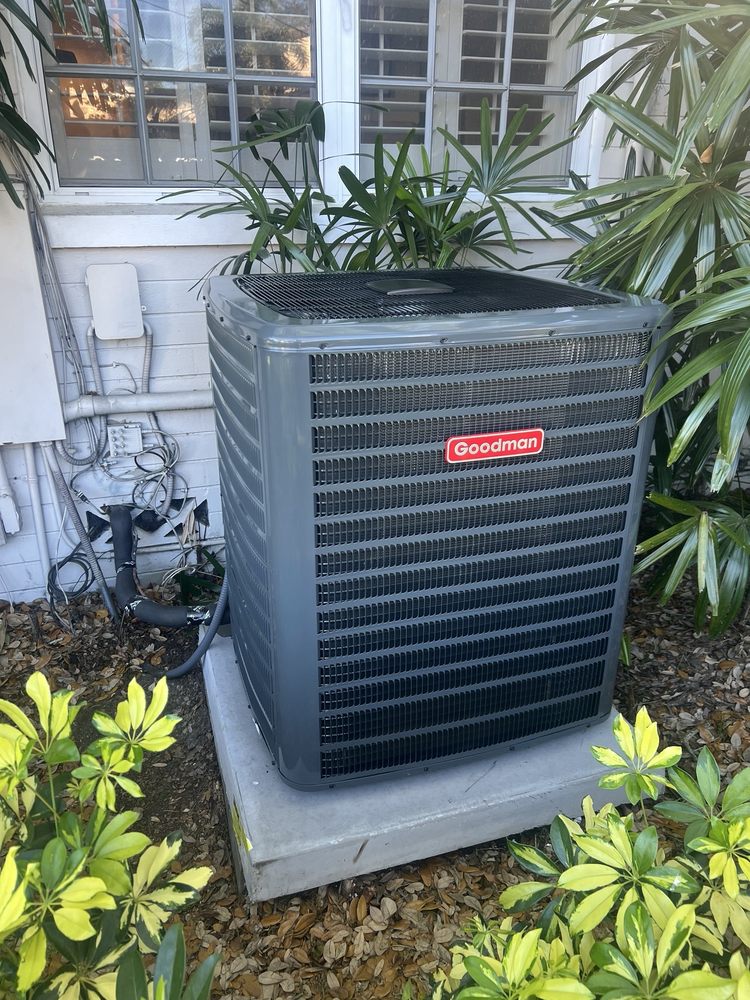
Why replace an AC in Conroe, TX?
Conroe summers are long and humid, which puts heavy, year-round stress on cooling equipment. Older systems lose efficiency, struggle to control humidity, and can drive up energy bills. Replacing an aging or failing unit with a properly sized, high-SEER system restores comfort, improves indoor humidity control, reduces run-time, and lowers operating costs — benefits that are especially valuable for homes in Montgomery County.
Common signs your system should be replaced
- The unit is 10–15+ years old and requires frequent repairs.
- Repair costs in the last year are approaching or exceeding the current value of a new system.
- Uneven cooling, rooms that never reach set temperature, or persistent humidity problems.
- Refrigerant leaks, compressor failure, or use of R-22 refrigerant that is no longer widely available.
- Rapidly rising energy bills despite regular maintenance.
- Loud operation, frequent short-cycling, or visible corrosion on the outdoor unit.
Cost vs repair evaluation: how to decide
When weighing repair vs replacement, consider these factors:
- Age of the equipment: older units deliver far less cooling per energy used.
- Recent repair history: multiple major repairs in a short period suggest replacement.
- Efficiency loss: lower SEER means higher monthly bills in Conroe’s hot summers.
- Comfort performance: if repairs don’t solve humidity or uneven cooling, replacement can be the better solution.
- Long-term value: a new high-efficiency system can pay for itself in energy savings over time, especially if paired with proper duct sealing and a programmable thermostat.
Recommended high-efficiency replacement options
- Higher SEER central air conditioners: In Conroe, upgrading from a low-SEER system (10–12) to a 16–20+ SEER unit can reduce cooling costs significantly. Higher SEER models perform especially well in hot climates.
- Heat pumps: Modern heat pumps provide efficient cooling and can offer heating benefits in milder winters, making them a versatile option for many Texas homes.
- Variable-speed compressors and multi-stage systems: These maintain steadier temperatures, improve humidity control, and run quieter than single-stage units.
- Matched systems: Use a properly matched indoor coil and air handler with the outdoor condenser to achieve rated efficiency and reliability.
- Smart thermostats and zoning: Programmable or smart thermostats paired with zoning improve comfort and can lower energy use by targeting cooling where it’s needed.
Removal and disposal of old equipment
A professional replacement includes:
- Safe disconnection of electrical and refrigerant lines following EPA rules.
- Recovery of refrigerant by certified technicians (required for R-410A and legacy refrigerants).
- Removal and responsible disposal or recycling of the old condensing unit and coil.
- Inspection and evaluation of ductwork, thermostat, and airflow to identify any additional efficiency or comfort improvements.
Expected efficiency and comfort improvements
- Energy savings: Upgrading to a high-SEER system usually reduces monthly cooling costs, with the size of savings depending on your current equipment and household usage.
- Better humidity control: Variable-speed systems and properly sized equipment reduce indoor humidity, improving comfort during Conroe’s humid summers.
- Quieter operation: Newer units use improved compressors and sound-dampening features.
- More consistent temperatures: Proper sizing and matched components eliminate hot/cold spots and short cycling.
- Longer system life and fewer repairs when combined with regular maintenance.
Replacement timeline and what to expect
Typical replacement steps and timing:
- Pre-installation assessment (1 visit): Load calculation, duct evaluation, and model recommendations.
- Scheduling and equipment delivery (several days to a few weeks): Depends on model availability and permit requirements.
- Installation day (1–2 days for most single-family homes): Includes removal of the old unit, installation of the new condenser and coil, electrical hookup, refrigerant charging, and startup. Larger or more complex projects (duct replacement, system conversions, zoning installation) may take longer.
- System testing and homeowner orientation (final day): Technicians verify airflow, refrigerant charge, thermostat programming, and walk you through system operation and maintenance basics.
Warranty and long-term coverage
- Manufacturer warranties typically cover the compressor and major components for a set number of years; parts and labor coverage vary.
- Many manufacturers offer extended warranties on select models when installed by a certified contractor and registered after installation.
- Keep documentation of model numbers, serial numbers, and warranty registration information for future claims.
- Regular maintenance by qualified technicians extends equipment life and helps maintain warranty eligibility.
Promotions, rebates, and incentives in Conroe
- Federal, state, and local utility rebates or tax credits may apply for high-efficiency equipment or heat pump installations; eligibility and amounts change over time.
- Manufacturer promotions and seasonal dealer incentives are commonly available for higher-SEER models.
- For Conroe-area homeowners, check for current utility rebate programs and efficiency incentives that can lower upfront costs for qualifying systems.
Maintenance tips after replacement
- Schedule annual tune-ups to keep the system operating at rated efficiency and protect warranty coverage.
- Replace or clean filters regularly to maintain airflow and indoor air quality.
- Ensure outdoor condensers have 2–3 feet of clearance and keep the area free of debris.
- Address duct leaks and insulation issues to maximize the performance of your new equipment.
Q: How long will a typical AC replacement take in a single-family home?
A: Most standard replacements are completed within 1 to 2 days, including removal, installation, system charging, and testing. Complex jobs like ductwork upgrades or zoning systems can extend the timeline.
Q: Will a higher SEER unit lower my electric bill enough to justify replacement?
A: Upgrading from an older, low-SEER system to a 16–20+ SEER unit often results in meaningful monthly savings, especially in Conroe’s long cooling season. Actual payback depends on current system age, local energy rates, and household usage patterns.
Q: Are there rebates available for new high-efficiency AC units in Conroe?
A: Rebates and tax incentives are often available through manufacturers, utilities, or government programs for qualifying high-efficiency equipment. Availability and eligibility vary, so check current programs when planning replacement.
Q: Should I replace ductwork during an AC replacement?
A: If ducts are leaky, undersized, poorly insulated, or inaccessible, repairing or replacing ductwork can greatly improve comfort and the new system’s efficiency. A duct assessment is recommended during the replacement evaluation.
Q: What warranty coverage should I expect with a new system?
A: Manufacturer warranties generally cover major components for a set period; extended warranties may be available. Keep installation and registration documents handy and follow maintenance guidelines to preserve coverage.
Maintenance Plan
Heat Pump/ AC Tune-Up

Furnace Tune-Up
Customer Testimonials