



Heat Pump Maintenance in Orange County, FL



A well maintained heat pump keeps your home comfortable year round, reduces energy bills, and prevents costly midseason breakdowns. In Orange County, FL, where humidity, pollen, and long cooling seasons put constant demand on heating and cooling equipment, routine heat pump maintenance is not optional. Van Eddies Heating & Air Conditioning provides comprehensive heat pump maintenance programs designed to keep systems running efficiently, extend equipment life, and protect homeowner comfort no matter the season.
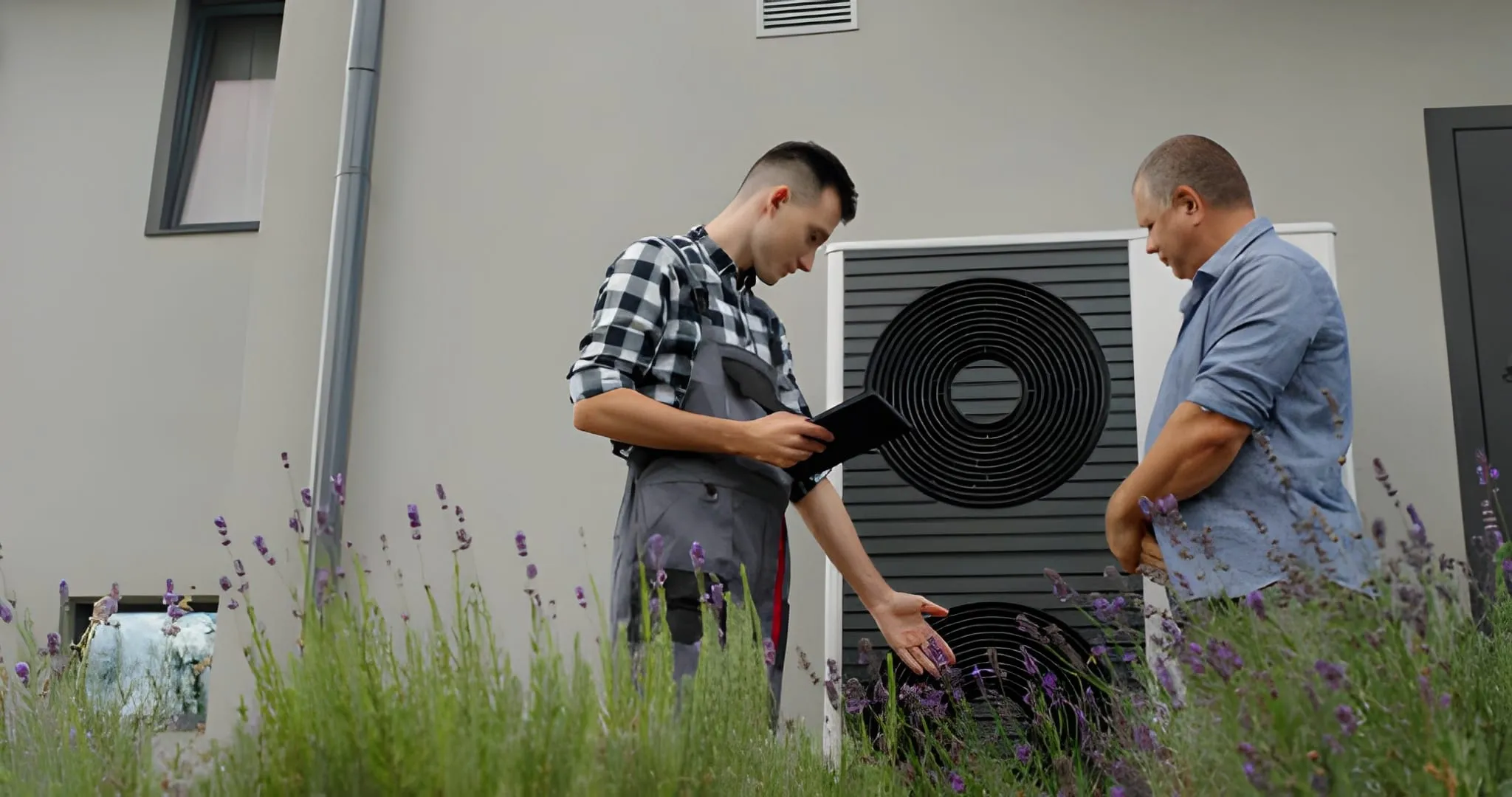
Why Heat Pump Maintenance Matters in Orange County homes
Orange County sees long, humid summers, frequent afternoon thunderstorms, and mild winters that still require heating on cool nights. Those local conditions create several challenges for heat pump systems:
- High run time: Heat pumps in central Florida often run for long stretches to hold indoor temperatures when outdoor heat and humidity are high. More run time means more wear on components.
- Moisture and corrosion: Constant humidity and occasional heavy rains can accelerate corrosion on outdoor coils and electrical components if not inspected and protected.
- Pollen and airborne debris: Spring pollen, oak and pine pollen seasons, and storm-blown debris can clog filters and settle on coils, reducing airflow and heat transfer.
- Storm and surge risk: Summer storms and lightning increase the risk of electrical damage that can go undetected without routine checks.
Routine maintenance addresses these issues proactively. It restores airflow, checks electrical systems for safety, ensures refrigerant levels are correct, and cleans coils and drains so the unit can operate reliably and efficiently through Orange County weather patterns.
Common Heat Pump Issues in Orange County, FL
Knowing the most common problems helps homeowners spot trouble early. These are the frequent issues Van Eddies technicians find during tune-ups in Orange County homes:
- Dirty or clogged air filters
- Cause: Pollen, pet hair, and household dust.
- Signs: Reduced airflow, higher energy bills, uneven cooling.
- Dirty evaporator and condenser coils
- Cause: Outdoor debris, pollen buildup, poor filtration.
- Signs: Longer run times, poor cooling capacity, system short cycling.
- Low refrigerant or refrigerant leaks
- Cause: Line corrosion, mechanical wear, poor installation.
- Signs: Soft airflow, warm air from vents, frost on lines.
- Electrical wear and failing components
- Cause: Frequent cycling and heat-related degradation.
- Signs: Tripping breakers, buzzing relays, intermittent operation.
- Malfunctioning thermostats or poor calibration
- Cause: Battery failure, age, or incorrect settings.
- Signs: Incorrect temperature reading, constant cycles, comfort complaints.
- Blocked condensate drains
- Cause: Algae, sludge or debris buildup in the drain pan.
- Signs: Water around unit, humidity issues, potential indoor water damage.
- Fan motor and blower issues
- Cause: Dust accumulation, worn bearings, imbalanced blades.
- Signs: Strange noises, vibration, reduced airflow.
- Duct leaks and insulation issues
- Cause: Poor sealing or aging ductwork.
- Signs: Uneven rooms, higher energy use, dust in vents.
- Defrost cycle problems in cooler weather
- Cause: Faulty defrost controls or sensors.
- Signs: Frost build up on outdoor coil during cool nights, reduced heating performance.
Addressing these problems during a preventive maintenance visit prevents small failures from becoming major repairs.
What a Comprehensive Heat Pump Tune Up Includes
A professional heat pump maintenance visit provides a systematic inspection and service routine. Typical tune-up tasks performed by Van Eddies Heating & Air Conditioning technicians include:
- Filter inspection and replacement
- Replace or recommend proper MERV-rated filters and explain replacement intervals based on household conditions.
- Outdoor condenser coil cleaning
- Remove leaves, pollen, and debris; use coil-safe cleaners to restore heat transfer.
- Indoor evaporator coil inspection and cleaning
- Clean accessible coils to prevent reduced cooling capacity and mold growth.
- Refrigerant level check and leak detection
- Measure system pressures, calculate superheat and subcooling, and inspect for signs of leaks. Recommend repair when necessary.
- Electrical system inspection
- Inspect contactors, capacitors, breakers, wiring terminals, and control boards for signs of wear or overheating.
- Motor and fan inspection and lubrication
- Check blower wheel and outdoor fan for balance and wear; lubricate bearings when applicable.
- Thermostat calibration and control checks
- Verify thermostat accuracy, verify correct cycle settings, and confirm proper communication with the heat pump.
- Airflow measurement and blower adjustments
- Measure static pressure and CFM where possible, verify proper blower motor settings, and recommend adjustments to improve efficiency.
- Condensate drain and pan cleaning
- Clear blockages, flush drain lines, and inspect for corrosion or damage to prevent water intrusion.
- Defrost cycle and reversing valve check
- For seasonal readiness, confirm defrost cycle operation and reversing valve function for heating mode.
- Safety controls and system performance test
- Test safety switches, startup and shutdown sequences, and run the system through a performance check to ensure it meets expected cooling and heating outputs.
- Diagnostic report and recommendations
- Provide a plain language summary of system condition and recommended repairs or upgrades with priority levels.
Each element of the tune-up is designed to restore system efficiency and identify potential failures before they cause a breakdown.
Diagnostic Process: What Technicians Do During a Visit
Professional maintenance follows a consistent diagnostic flow to ensure nothing is missed:
Arrival and system history review
- Technician reviews past service records and homeowner notes about recent issues.
Visual inspection
- Check outdoor unit for physical damage, lost panels, bent fins, or debris. Inspect indoor cabinet and access overall condition.
Safety shutdown and lockout tests
- Perform safe shutdowns when required and test safety cutoffs.
Electrical and component testing
- Use meters to measure amperage, voltage, and resistance across motors and control components.
Refrigerant checking and performance testing
- Measure pressures and temperatures, calculate system efficiency, and compare to manufacturer specs.
Airflow and duct inspection
- Verify airflow at registers and inspect supply and return duct access points.
Cleaning and preventive service
- Perform the cleaning steps, replace filters, flush drains, and lubricate moving parts.
Final system run and verification
- Run the system to ensure correct operation under load and confirm thermostat accuracy.
Documentation
- Provide a clear service report detailing work performed, findings, and recommended next steps.
This methodical approach ensures your heat pump leaves the service visit cleaner, safer, and more efficient.
Recommended Frequency: When to Schedule Maintenance in Orange County
Because heat pumps handle both cooling and heating, industry best practice is a semiannual maintenance schedule: once in the spring to prepare for heavy cooling and once in the fall to prepare for the heating season. In Orange County, the spring visit is especially important to ensure cooling performance before the intense summer months begin. The fall visit verifies reversing cycle operation and heating performance for those cooler nights.
Homes with heavy pollen exposure, pets, tobacco smoke, or indoor contamination may benefit from more frequent filter replacement and interim inspections. Older systems or units that have shown signs of trouble may also need more frequent monitoring.
Maintenance Plans and Agreements: What to Expect
Homeowners often choose a maintenance plan to ensure consistent, scheduled care. Typical features of heat pump maintenance agreements include:
- Scheduled seasonal tune-ups, typically spring and fall
- Priority scheduling during peak seasons
- A written inspection report after each visit
- Discounted rates on repairs or replacement parts
- Reminders and calendar-based scheduling for regular maintenance
- Safety and performance checks that help preserve manufacturer warranties when applicable
Maintenance plans are designed to provide predictable service and reduce the risk of sudden failures during extreme weather. Features vary by provider and plan level, and plans can be tailored to match the size and age of your system and your household needs.
Scheduling Expectations: Timing and How Long a Tune-Up Takes
A typical heat pump maintenance visit usually takes between 45 and 90 minutes depending on system complexity and the scope of work. Ground-level, single-family home units may be serviced faster than multi zone or ductless systems with multiple indoor heads. Peak demand times in Orange County are late spring and early summer; scheduling ahead of the peak season ensures the best availability.
Technicians perform a checklist-driven service and will leave clear documentation of findings and any recommended next steps. If a repair is needed, the technician will explain the issue and the options for repair or replacement without pressure.
Preparing Your Home and Heat Pump for Seasonal Change
Homeowners can take simple steps to support a maintenance visit and improve system performance between service calls:
- Keep the area around the outdoor unit clear of vegetation, toys, and debris for at least two feet on all sides.
- Change or wash disposable filters monthly during high use; consider a higher rated pleated filter if your system can handle it.
- Trim nearby bushes and trees to reduce leaves and pollen buildup.
- Keep supply vents open and unblocked inside the home to maintain correct airflow.
- Note any unusual noises, odors, or cycling behaviors and document when they happen to share with the technician.
- Test your thermostat and replace batteries as needed before the scheduled visit.
- Ensure safe access for the technician and secure pets during the appointment.
These steps help maximize the effectiveness of professional maintenance and can prevent many common problems.
Seasonal Recommendations for Orange County, FL
Summer-ready checklist:
- Ensure refrigerant levels and outdoor coil cleanliness for maximum cooling efficiency.
- Verify condensate drain is clear to prevent indoor humidity and water damage.
- Consider IAQ measures like UV coil lights or a whole house dehumidifier, because central Florida humidity can make homes feel warmer and promote mold growth.
- Confirm surge protection and electrical system integrity before hurricane season.
Winter-ready checklist:
- Test heat pump heating mode and defrost controls to ensure reliable warmth on cool nights.
- Check attic and duct insulation to reduce heating load and minimize run time.
- Verify thermostat setback programming for consistent overnight comfort.
Storm prep and post-storm steps:
- During severe storms, secure outdoor areas and avoid operating units if flooding is present.
- After storms, have a technician inspect for water intrusion, wind damage, and electrical issues before resuming normal operation.
These seasonal measures help heat pumps cope with local climate stresses and reduce the likelihood of emergency repairs.
Benefits of Regular Heat Pump Maintenance
Investing in routine maintenance delivers clear, measurable benefits for Orange County homeowners:
- Improved efficiency and lower energy use, especially during long cooling seasons
- Fewer unexpected breakdowns during peak comfort months
- Extended equipment life through reduced wear and better operating conditions
- Sustained indoor comfort and more consistent temperatures
- Preserved manufacturer warranty coverage when maintenance requirements are met
- Better indoor air quality by controlling dust, pollen, and humidity
- Safer operation by catching electrical and refrigerant issues early
Routine maintenance turns reactive repair spending into predictable upkeep that protects home comfort and system value.
Typical Pricing and Value Considerations
Maintenance pricing varies with system type, accessibility, and the level of service requested. Factors that influence cost include system size, age, number of indoor units, and whether deeper cleaning or repairs are required. Many homeowners find that a maintenance plan with scheduled tune-ups and diagnostic visits offers better long term value than paying for individual service calls when problems arise. The cost of preventive maintenance is typically lower than the cumulative cost of emergency repairs and the efficiency losses a neglected system incurs over time.
How Van Eddies Heating & Air Conditioning Approaches Heat Pump Maintenance
Van Eddies Heating & Air Conditioning brings local expertise developed from years of serving Orange County and the Orlando area. Service emphasis includes:
- Experienced technicians trained to inspect and service modern heat pump systems of many brands.
- Checklist-driven tune-ups that cover safety, performance, and efficiency metrics.
- Transparent reporting that explains findings in plain language and outlines recommended next steps.
- Local knowledge about Orange County weather patterns, pollen seasons, and storm risks that impact system care and scheduling priorities.
Van Eddies understands how heat pumps are used in central Florida homes and adjusts maintenance recommendations accordingly so systems remain reliable through seasonal extremes.
When to Call a Technician Between Tune-Ups
Even with regular maintenance, certain signs indicate immediate attention is needed:
- Sudden loss of cooling or heating
- Unusual burning smells or electrical burning odors
- Loud banging, grinding, or screeching noises
- Visible refrigerant frost on lines or heavy ice buildup on the outdoor coil
- Water pooling around indoor or outdoor units
- Tripping breakers or frequent short cycling
If any of these occur, have the system inspected promptly to avoid further damage.
Tracking Maintenance and Records
Keep a simple maintenance log that lists tune-up dates, services performed, refrigerant levels, and any repairs made. This record helps technicians diagnose recurring problems and is useful documentation if warranty claims or insurance issues arise. Records also help you evaluate long term system performance trends and make better informed replacement decisions when the time comes.
Maintenance Plan
Heat Pump/ AC Tune-Up

Furnace Tune-Up
Customer Testimonials