


Heat Pump Service in Lake Nona, FL



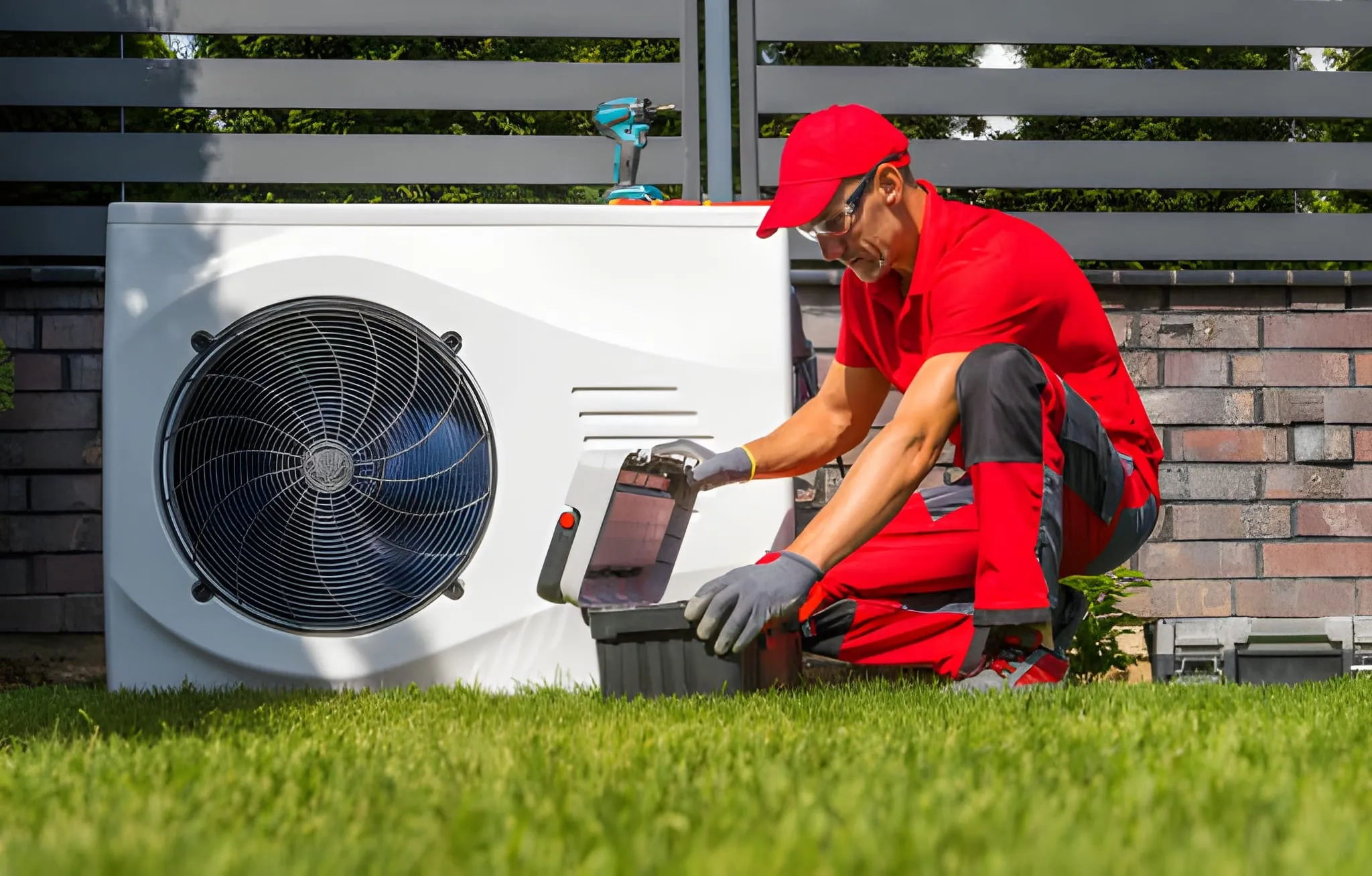
Keeping your home comfortable year round in Lake Nona means relying on a heat pump that runs efficiently through hot, humid summers and the occasional cool snap. Van Eddies Heating & Air Conditioning provides specialized heat pump service in Lake Nona, FL that focuses on diagnostics, seasonal start-up and shutdown, minor repairs and adjustments, performance optimization, thermostat and control integration, and indoor comfort assessments.
Why professional heat pump service matters in Lake Nona, FL
Lake Nona homes face high cooling loads for much of the year, combined with intense humidity and frequent afternoon storms. Those conditions stress heat pump systems in ways that can reduce efficiency, increase wear, and shorten equipment life. Professional service preserves efficiency, prevents premature failures, and maintains indoor comfort by addressing airflow, refrigerant performance, and control accuracy.
Regular professional service also helps with:
- Improving energy efficiency to lower monthly cooling costs.
- Reducing humidity-related discomfort and mold risk inside homes.
- Preventing system failures during peak heat periods.
- Extending the useful life of your heat pump equipment.
Van Eddies Heating & Air Conditioning brings local experience. Technicians familiar with Orlando area climate impacts know how to prioritize checks and adjustments that matter most to Lake Nona homeowners.
Common heat pump issues in Lake Nona, FL
Understanding common problems helps you know when to call for service. In Lake Nona, these are the most frequent heat pump issues we encounter:
- Reduced cooling capacity: Unit runs but struggles to reach set temperature due to dirty coils, restricted airflow, or low refrigerant.
- High humidity indoors: System cools but cannot remove moisture effectively because of incorrect cycle times, airflow imbalance, or duct leakage.
- Short cycling: System turns on and off frequently, which raises wear and energy use, often caused by improper refrigerant charge, a failing compressor, or thermostat issues.
- Frozen evaporator coil: Common after restricted airflow or low refrigerant; ice formation reduces cooling capacity and risks compressor damage.
- Uneven comfort between rooms: Duct problems, improper zoning, or airflow restrictions cause hot and cold spots.
- Strange noises or vibrations: Worn fan motors, loose components, or failing compressors can produce rattles, clunks, or squeals.
- Inefficient operation after storms: Power surges, water intrusion, or debris in outdoor coil can reduce performance or damage electrical controls.
- Thermostat or control malfunctions: Poor calibration, wiring issues, or smart thermostat integration problems that affect scheduling and setpoint accuracy.
Each of these problems has specific diagnostic steps and targeted repairs. Timely, professional attention prevents small issues from turning into costly replacements.
Types of heat pump service we provide
Van Eddies Heating & Air Conditioning offers a full range of heat pump services tailored to Lake Nona homes, including:
- Diagnostic visits and systems evaluations
- Seasonal start-up and shutdown procedures
- Preventive maintenance and tune-ups
- Minor repairs and component adjustments
- Performance optimization (airflow, refrigerant, compressor checks)
- Thermostat calibration and smart thermostat integration
- Control board, relay, and safety device checks
- Indoor comfort assessments and airflow balancing
- Refrigerant leak detection and recovery
- Electrical system inspections and repairs
- Emergency troubleshooting guidance and response protocols
Each service type is performed with documentation of findings and recommended next steps so homeowners understand what was done and why.
What happens during a diagnostic visit
A diagnostic visit is a step-by-step investigation of symptoms to identify root causes and recommended repairs. Typical diagnostic procedures include:
- Visual inspection of outdoor unit, indoor coil, blower, filters, ducts, and thermostat.
- System startup and observation: monitoring pressures, temperatures, current draw, and cycle behavior.
- Refrigerant analysis: checking pressures and superheat/subcooling for correct charge.
- Airflow testing: measuring static pressure, supply and return temperatures, and fan performance.
- Electrical evaluation: testing voltage, amperage, contactor operation, and safety devices.
- Thermostat calibration and wiring check: verifying commands and control responses.
- Indoor comfort assessment: evaluating temperature differentials between rooms, humidity levels, and perceived comfort.
- Documentation: listing findings, safety concerns, recommended repairs, and estimated timelines for corrective work.
The goal of diagnostics is to find the underlying issue rather than only treating symptoms. That approach leads to more reliable repairs and better long-term performance.
Seasonal start-up and shutdown procedures
Seasonal care increases reliability and efficiency in climates with extended cooling seasons and variable winter temperatures. Typical start-up and shutdown tasks include:
Start-up (spring/early cooling season)
- Thorough inspection of outdoor coil, fan blades, and condensate drainage.
- Filter replacement and verification of proper airflow.
- Electrical component checks including contactors, capacitors, relays, and breakers.
- Refrigerant pressure check and leak inspection.
- Thermostat verification and schedule reprogramming for cooling mode.
- Safety control validation and short test run to verify stable operation.
- Clearing debris from around outdoor unit and confirming adequate airflow clearance.
Shutdown (late fall/winter or when switching operation)
- Cleaning and protecting outdoor unit from vegetation and debris.
- Draining and securing condensate lines if required.
- Checking refrigerant and pressures for any seasonal anomalies.
- Programming thermostat to appropriate winter settings or standby mode if heating not required.
- Notation of any potential issues that should be monitored or serviced before the next season.
Regular seasonal services minimize the risk of unexpected failures during the hottest months in Lake Nona.
Minor repairs and adjustments commonly performed
Many heat pump issues can be corrected with minor repairs and adjustments that restore reliable performance without a major replacement. Common on-site fixes include:
- Replacing clogged air filters and cleaning coils to restore airflow.
- Adjusting blower motor speeds or replacing faulty belts and bearings.
- Tightening electrical connections and replacing faulty contactors or capacitors.
- Calibrating thermostats and correcting wiring errors.
- Repairing or replacing damaged ductwork or supply registers to improve balance.
- Resetting control boards and correcting programming conflicts with smart thermostats.
- Clearing condensate drains and replacing clogged trap components.
- Addressing minor refrigerant leaks and recharging to manufacturer specifications when safe and compliant.
These targeted services address the immediate problem and often improve efficiency and comfort quickly.
Performance optimization: getting the most out of your heat pump
Optimization focuses on maximizing comfort while minimizing energy use. Performance tuning typically involves:
- Airflow balancing: Measuring and adjusting supply and return airflow to ensure even temperatures and efficient heat transfer.
- Refrigerant optimization: Ensuring correct refrigerant charge and identifying leaks that reduce efficiency.
- Thermostat and control strategy: Calibrating thermostats, optimizing setpoints, and integrating schedules that reduce runtime while maintaining comfort.
- Variable-speed and inverter tuning: For modern systems, ensuring variable-speed compressors and fans are operating with correct control signals and firmware settings.
- Duct sealing and insulation: Reducing losses in the distribution system to deliver conditioned air where it is needed.
- Reducing short cycling: Adjusting controls and sequencing to allow full cycles and prevent wear.
- Humidity control strategies: Setting cooling cycles and fan operation to assist dehumidification without overshooting temperature setpoints.
Optimization is especially important in Lake Nona where humidity control and frequent cooling demand significantly affect comfort and utility costs.
Thermostat integration and control systems
Smart thermostats and integrated controls can improve comfort and savings, but proper integration is critical to avoid performance issues. Service tasks include:
- Compatibility check with your heat pump and any auxiliary heat.
- Correct wiring and power configuration to prevent backfeeding or control failures.
- Calibration of temperature sensors and reprogramming for local occupancy patterns.
- Integration with zoning systems, dampers, and multiple-stage equipment.
- Verifying remote access features and schedules without compromising equipment protection.
- Training homeowners on mode selection, humidity settings, and energy-saver features.
Incorrect thermostat setup is a frequent cause of comfort complaints. Professional integration ensures smart features deliver real benefits in Lake Nona homes.
Indoor comfort assessments and what they reveal
An indoor comfort assessment goes beyond a single thermostat reading to evaluate how your home feels and performs. Components include:
- Room-by-room temperature and humidity mapping to identify hot and cold spots.
- Duct leakage testing to estimate loss and recommend corrective sealing.
- Inspection of insulation and air infiltration points that affect load.
- Evaluation of ventilation needs and indoor air quality concerns like mold or dust.
- Analysis of system sizing relative to home load and changes in occupancy or renovations.
This assessment helps prioritize fixes that deliver the greatest improvement in comfort and energy efficiency.
Emergency and routine service scheduling: what to prepare
When planning routine maintenance or preparing for an emergency service call, having the right information ready speeds diagnosis and resolution. Suggested steps when scheduling are:
- Identify system make, model, and approximate age if available.
- Note the symptom details: when it started, sounds, smells, visible leaks, or error codes.
- Confirm whether the issue is intermittent or continuous and any recent changes (new thermostat, construction, power outage).
- For routine maintenance, list any past repairs or recurring issues and preferred maintenance intervals.
- For emergency service, indicate whether the system is not operating at all, producing smoke or burning smells, or causing unsafe conditions.
When you provide clear, concise information, the service technician can better prepare parts, tools, and diagnostic steps to address the problem efficiently.
Safety and code considerations in heat pump service
Proper servicing follows safety protocols and local codes. Technicians check for:
- Proper refrigerant handling and recovery in accordance with EPA rules.
- Electrical safety, correct breaker sizing, and safe disconnects.
- Combustion safety for hybrid systems that include gas furnaces as backup.
- Outdoor unit mounting and clearance to prevent water or debris contact.
- Proper condensate disposal to prevent water damage and microbial growth.
Adhering to these standards protects your family and reduces the risk of follow-up service or code-related upgrades.
When replacement is the right choice
While many issues are repairable, replacement may be the most cost-effective option in these situations:
- Repeated compressor failures or frequent refrigerant leaks.
- System age exceeding expected lifespan with declining efficiency and reliability.
- Major component failure with high repair cost relative to replacement value.
- Need for significantly improved efficiency or updated refrigerant types to meet current standards.
- Home size changes or renovations that require a different capacity or zoning approach.
A professional assessment documents the reasons for replacement and compares the value of repair versus new equipment.
Routine maintenance checklist for Lake Nona homeowners
Consistent homeowner maintenance complements professional service. A simple checklist helps maintain peak performance:
- Replace or clean air filters every 1 to 3 months depending on use and household conditions.
- Keep outdoor unit clear of vegetation, debris, and stored items to maintain airflow.
- Ensure supply and return vents are unobstructed by furniture or curtains.
- Check thermostat batteries and settings seasonally.
- Visually inspect condenser and evaporator coils for heavy dirt or damage.
- Note unusual sounds, odors, or changes in performance and record dates for service history.
Implementing these small tasks between professional visits supports longer system life in Lake Nona climates.
Why choose local expertise for heat pump service in Lake Nona
Local technicians bring knowledge of how Florida humidity, pollen, and summer storm patterns affect system performance. A Lake Nona-focused provider understands:
- The seasonal patterns that drive peak cooling demand and best timing for service.
- Common local wiring or installation practices to anticipate when diagnosing control issues.
- Regional code and permitting nuances that affect equipment upgrades or replacements.
- The importance of moisture control strategies that address mold risk in humid conditions.
Van Eddies Heating & Air Conditioning combines technical expertise with local experience to deliver services tailored to the needs of Lake Nona homeowners.
Documentation and transparency
Professional heat pump service includes clear documentation of:
- Diagnostic findings and measured performance data.
- Repairs and parts installed with manufacturer references.
- Recommendations for follow-up work or future maintenance intervals.
- Safety items or code-related concerns requiring attention.
Transparent records help homeowners make informed decisions and maintain a useful history for resale or warranty verification.
Long term benefits of timely heat pump service
Regular, professional heat pump service provides measurable benefits:
- Lower energy bills through improved efficiency.
- More consistent indoor comfort and better humidity control.
- Fewer emergency breakdowns during peak heat periods.
- Extended equipment life and better return on investment.
- Early detection of small issues before they become major expenses.
Proactive service protects comfort and budget in Lake Nona where cooling is a primary household need.
Maintenance Plan
Heat Pump/ AC Tune-Up

Furnace Tune-Up
Customer Testimonials