



Heat Pump Service in Seminole County, FL



Heat pumps are the year round backbone of comfortable, energy efficient homes in Seminole County, FL. Van Eddies Heating & Air Conditioning provides comprehensive heat pump service in Seminole County, FL to keep your system running reliably through hot, humid summers, unpredictable shoulder seasons, and the occasional cool winter night. Whether you are researching a replacement, scheduling regular maintenance, diagnosing an intermittent fault, or integrating smart controls and indoor air quality upgrades.
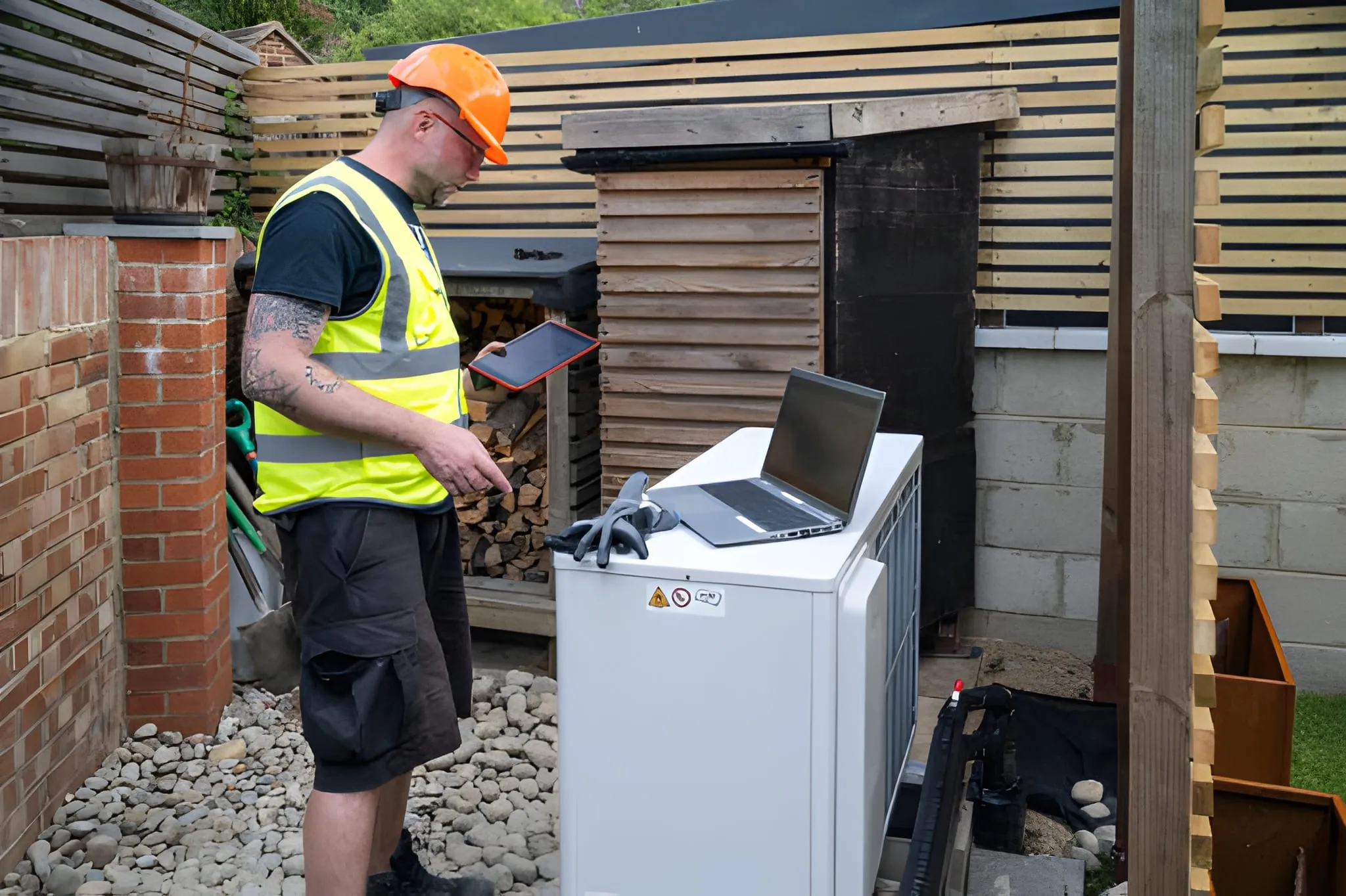
Why focused heat pump service matters in Seminole County
Seminole County’s subtropical climate places constant demand on heat pump systems. High humidity and extended cooling seasons mean components work hard and condensate management and dehumidification are critical. Homes here range from older neighborhoods with legacy ductwork to new construction communities with modern insulation and high SEER equipment. Proper installation, routine tune ups, and timely repairs prevent premature failures, reduce energy waste, and avoid common seasonal disruptions.
Van Eddies Heating & Air Conditioning brings local experience and licensing knowledge to heat pump service in Seminole County, FL, including Florida-specific permitting and code awareness (FL License: CAC183223). Technicians understand local conditions like pollen loads, humidity-driven condensate problems, and how to size systems for the regional cooling load rather than relying on generic rules of thumb.
Common heat pump services and why homeowners choose them
- Heat pump installation and replacement: Sizing with Manual J load calculations, selecting the correct SEER/HSPF for long term efficiency, matching indoor and outdoor components, proper refrigerant charging, and correct ductwork integration.
- Heat pump maintenance and tune ups: Seasonal 21-point inspections, coil cleaning, refrigerant level checks, filter replacement guidance, lubrication of moving parts, thermostat calibration, condensate drain inspection, and airflow verification.
- Heat pump repair: Diagnosis and replacement of failed compressors, reversing valves, contactors, capacitors, defrost controls, sensors, fan motors, or addressing refrigerant leaks and electrical issues.
- Diagnostics and performance testing: Measuring superheat and subcooling, static pressure testing, amp draw analysis, and seasonal performance checks to detect degradation before failure.
- Smart thermostat integration: Compatibility checks and wiring support for smart thermostats (Nest, Ecobee and others), proper configuration of heat pump modes, auxiliary heat staging, and remote monitoring setup.
- Indoor air quality add-ons: Whole house dehumidifiers, media filters, HEPA solutions, UV coil lights, and balanced ventilation (ERV/HRV) to combat Seminole County humidity, pollen, and indoor contaminants.
- Emergency service and troubleshooting: Rapid diagnosis of no-cool, short cycling, ice on coils, or unusual noises that can indicate urgent safety or reliability risks.
Common heat pump problems in Seminole County and typical causes
- Reduced cooling capacity or long run times: Often caused by dirty coils, clogged filters, restricted ductwork, low refrigerant, or failing compressors. In Seminole County, high humidity compounds these symptoms.
- Frequent short cycling: Can be caused by a failing thermostat, improper refrigerant charge, electrical control faults, or incorrect system sizing.
- Ice buildup on the outdoor coil: Usually related to defrost control failure, low refrigerant, or blocked airflow around the outdoor unit.
- High electric bills despite normal comfort: Often the result of deteriorating equipment efficiency, poor insulation or duct leaks, improper refrigerant levels, or outdated thermostat settings.
- Water or condensate backup: Blocked drain lines, failed condensate pumps, or inadequate slope in drain pans — made worse by high indoor humidity and heavy air conditioner runtime.
- Unusual noises: Rattling, grinding, or loud hums can indicate worn bearings, failing motors, loose panels, or failing compressor components.
- Reversing valve or heat mode failures: Heat pumps rely on reversing valves for heating/cooling mode changes; electrical or mechanical faults to these components can disrupt operation in cooler months.
How a professional diagnostic process works
A quality heat pump service begins with a methodical diagnostic sequence to identify root causes rather than chasing symptoms:
- System history and homeowner interview: Collect details about when the problem started, recent changes, and intermittent behaviors.
- Visual inspection: Check for obvious issues — blocked airflow, dirty coils, insect nests, or physical damage to the outdoor unit.
- Electrical safety check: Inspect breakers, fuses, contactors, wire connections, and test capacitors and relays for proper operation.
- Refrigerant evaluation: Measure refrigerant pressures and temperatures, calculate superheat and subcooling, and detect leaks with electronic leak detectors when necessary.
- Airflow and duct inspection: Measure supply and return airflow, static pressure, and identify major duct leaks, collapsed duct sections, or poorly balanced registers.
- Component testing: Verify compressor amp draw, fan motor operation, reversing valve actuation, and defrost cycle performance.
- Control and thermostat verification: Confirm thermostat wiring and settings, heat pump mode configuration, and compatibility with smart controls.
- Report and recommendations: Provide a clear explanation of findings, repair options, expected outcomes, and efficiency implications for repair versus replacement decisions.
This structured approach ensures repairs address the source rather than offering temporary fixes, which is particularly important in Seminole County where systems endure heavy seasonal load.
Installation and replacement explained
A proper heat pump installation in Seminole County involves more than swapping outdoor units. Key steps include:
- Accurate sizing using a Manual J load calculation that considers local solar exposure, attic insulation, duct losses, and occupancy.
- Selecting appropriate efficiency ratings (SEER/HSPF) to balance upfront cost and lifetime energy savings; higher SEER units typically provide more savings in Seminole County’s long cooling season.
- Matching indoor and outdoor components to manufacturer specifications to protect warranties and ensure optimal refrigerant charge.
- Proper refrigerant charging by weight and performance measurements, not eyeballing.
- Correct refrigerant line sizing and minimal oil migration issues. Line set routing and insulation matter in hot, humid climates.
- Ductwork assessment and sealing to prevent high return and supply losses common in older Seminole County homes.
- Condensate management: Installing or verifying drain pan slope, secondary drain provisions, and condensate pumps where necessary.
- Compliance with Florida electrical and mechanical codes, permitting when required, and inspection readiness.
When replacement is the best path, homeowners benefit from a documented specification and installation checklist that demonstrates code compliance, warranty adherence, and energy performance.
Maintenance and tune up: what the 21-point inspection covers
Regular maintenance extends heat pump life and improves efficiency. A typical comprehensive tune up for Seminole County includes:
- Visual inspection of outdoor and indoor units
- Cleaning or verifying cleanliness of evaporator and condenser coils
- Checking and replacing air filters or recommending higher MERV media filters
- Examining and clearing condensate drains and pans
- Verifying refrigerant charge and adjusting if necessary
- Measuring amp draws and voltages on major components
- Testing capacitors, contactors, and relays
- Inspecting fan blades and motors, lubricating where applicable
- Checking thermostat calibration and controls
- Inspecting ductwork for obvious issues and measuring static pressure when required
- Testing defrost cycle and reversing valve function
- Inspecting safety controls and electrical disconnects
- Reviewing system performance and providing a written report with maintenance notes
Regular tune ups reduce the likelihood of mid-summer failures and help control energy bills by preserving system efficiency.
Repairs: common components and realistic expectations
- Capacitor and contactor replacement: Common, quick fixes that restore starting and running reliability.
- Fan motor and blower repairs: Address worn bearings or imbalance to reduce noise and restore airflow.
- Compressor service or replacement: A major repair; technicians weigh compressor replacement versus full system replacement depending on age, efficiency, and cost-effectiveness.
- Refrigerant leak repair: Requires locating leaks, repairing components or lines, evacuating and recharging the system, and re-testing for proper performance. EPA refrigerant handling is standard.
- Reversing valve and defrost control repairs: Critical for reliable seasonal heating operation.
- Control board and sensor replacements: Electronic failures can produce intermittent problems; accurate diagnostics reduce unnecessary part swaps.
Repair decisions hinge on system age, remaining useful life, current efficiency, and the homeowner’s long term plans. In Seminole County, where cooling demand is high, replacing an aging, inefficient unit can quickly pay back through lower operating costs and improved comfort.
Smart thermostat integration and how it improves comfort and savings
Smart thermostats offer more than remote control. For heat pump systems in Seminole County, correct installation and configuration are crucial:
- Ensure thermostat is heat pump compatible and wired to the O/B terminal for correct reversing valve control.
- Confirm presence of a common C-wire or install a power extender kit so the smart unit receives steady power.
- Configure auxiliary and emergency heat properly to prevent unnecessary use of electric strip heat, which can dramatically increase bills.
- Use scheduling, geofencing, and adaptive learning features to reduce runtime without compromising comfort.
- Integrate indoor humidity monitoring to balance dehumidification needs with cooling efficiency.
Smart controls are especially useful in vacation homes or variable occupancy properties common in the area, optimizing runtime based on actual use.
Indoor air quality add-ons for Seminole County homes
High humidity and seasonal pollen in Seminole County make IAQ upgrades particularly valuable:
- Whole-house dehumidifiers: Reduce humidity without overcooling, prevent mold growth, and improve comfort at higher thermostat settings.
- High-efficiency filtration: MERV-rated filters or media air cleaners reduce pollen, dust, and pet dander. HEPA solutions can be integrated in certain systems for superior particulate capture.
- UV coil lights: Reduce microbial growth on coils and improve coil heat transfer efficiency.
- ERV/HRV ventilation: Controlled fresh air exchange with energy recovery helps reduce indoor pollutants while preserving conditioned air efficiency.
- Electronic air cleaners and oxygenation systems: Target microscopic particles and some volatile organic compounds when used in conjunction with filtration and ventilation.
Selecting the right combination depends on home construction, occupant sensitivities, and existing ductwork.
Licensing, certifications and safety considerations
Van Eddies Heating & Air Conditioning performs heat pump service in Seminole County, FL under Florida contracting regulations and maintains appropriate licensure and certifications. Technicians are trained in refrigerant handling under EPA Section 608 certification and follow best practices for electrical safety, refrigerant recovery, and proper disposal. Compliance with local permitting and inspection requirements is part of professional installations.
Service area specifics in Seminole County, FL
Heat pump performance and required services vary across Seminole County neighborhoods. Van Eddies Heating & Air Conditioning understands local building stock and climate impacts in communities including Sanford, Altamonte Springs, Oviedo, Winter Springs, Casselberry, Longwood, Lake Mary, Heathrow, Chuluota, and surrounding area. Older homes may need duct sealing and retrofit measures, while new construction often benefits from system matching and commissioning to ensure manufacturer warranties and promised SEER ratings are realized.
How estimates and scheduling typically work (process overview)
Professional service providers use a transparent process for estimates and scheduling without pressure:
- A service technician performs an on-site inspection or diagnostic visit to gather system data.
- Findings and recommended options are presented with detailed scopes: repair options with parts and labor, or replacement options with equipment specifications and efficiency comparisons.
- For replacements, the estimate includes system sizing methodology, proposed equipment models and efficiency ratings, and an overview of installation steps and permitting responsibilities.
- Scheduling aligns with homeowner availability and any permit timelines. For larger replacements, a pre-installation checklist ensures necessary access and preparations are addressed before installation day.
This process helps homeowners make informed decisions based on performance, longevity, and energy considerations rather than hard selling.
Benefits of proactive heat pump care in Seminole County
- Improved year round comfort and humidity control
- Lower energy bills from maintained efficiency
- Fewer emergency breakdowns during peak seasons
- Longer equipment life and maintained factory warranties
- Better indoor air quality for allergy sufferers and sensitive occupants
- Predictable budgeting through planned maintenance instead of unexpected replacements
Regularly maintained systems also perform more quietly and distribute temperature more evenly throughout the home.
Maintenance tips for Seminole County homeowners
- Replace or clean air filters monthly during peak cooling months.
- Keep the outdoor unit clear of debris, yard growth, and foliage to ensure unrestricted airflow.
- Monitor indoor humidity and keep thermostat setpoints that balance comfort and dehumidification.
- Ensure attic and duct insulation are in good condition to reduce load on the heat pump.
- Schedule an annual 21-point tune up and mid-season check if your system runs heavily.
- Address water or refrigerant leaks quickly; evidence of ice on coils or pooling should be inspected promptly.
These steps prolong system life and maintain a comfortable indoor environment despite Seminole County’s demanding climate.
Maintenance Plan
Heat Pump/ AC Tune-Up

Furnace Tune-Up
Customer Testimonials