



Mini Split Installation in Metro West, FL



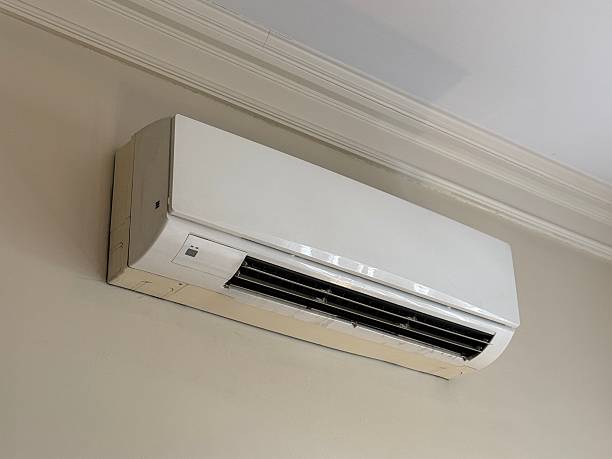
Mini split installation in Metro West, FL provides a targeted, efficient alternative to traditional ducted systems for homeowners and small businesses. In a hot, humid climate like Central Florida, a properly installed ductless mini split delivers precise temperature control, improved comfort in individual zones, and energy savings when compared to cooling whole-house systems that over-condition unused spaces. Van Eddies Heating & Air Conditioning brings decades of HVAC experience to every mini-split project, focusing on correct sizing, reliable refrigerant and electrical work, and durable condensate management for Metro West homes.
Why choose a mini-split in Metro West, FL
Metro West experiences long cooling seasons, high humidity, frequent afternoon storms, and occasional tropical weather events. Those local conditions make mini-splits an attractive option for:
- Homes with poorly performing or non-existent ductwork, such as older Metro West properties and additions.
- Rooms that need independent temperature control—bedrooms, home offices, sunrooms, attics converted to living space, and garages.
- Houses aiming to reduce energy waste by zoning and only conditioning occupied spaces.
- Retrofits where running ductwork would be costly, invasive, or impossible.
Van Eddies Heating & Air Conditioning positions mini-splits as a practical, climate-appropriate solution in Metro West, emphasizing corrosion-resistant outdoor components and condensate solutions designed to handle high humidity.
Common mini-split installation types and applications
Mini-split systems come in several configurations. Understanding the common types helps homeowners pick the right approach for their Metro West property:
- Single-zone mini-split: One outdoor unit linked to a single indoor air handler. Ideal for a single room or small apartment.
- Multi-zone mini-split: One outdoor condensing unit serving two or more indoor units. Best for central zoning without ductwork.
- Ceiling cassette, wall-mounted, floor-mounted, and ducted mini-splits: Different indoor styles fit various architectural and aesthetic needs.
- Heat pump mini-splits: Provide both cooling and efficient heating during cooler months or for tightly controlled humidity.
Each option has trade-offs in visibility, airflow patterns, and installation complexity. Van Eddies Heating & Air Conditioning helps choose the style that balances comfort, appearance, and performance for Metro West homes.
Typical problems homeowners want to solve with a mini-split
Metro West homeowners often seek mini-split installation to address specific pain points:
- Uneven temperatures between rooms or floors where existing central systems cannot balance heat or cooling.
- High energy bills from conditioning unused spaces.
- Poor indoor air quality caused by dirty or leaking ducts.
- Additions, renovations, or converted spaces where extending ductwork is impractical.
- Need for quiet, efficient cooling in bedrooms, home offices, and media rooms.
Identifying these issues during the initial consultation directs the system selection and zone planning to deliver immediate, measurable improvements.
What the initial consultation and site assessment includes
A thorough site assessment is the foundation of a successful mini-split installation. Van Eddies Heating & Air Conditioning conducts a detailed evaluation to ensure the system will meet performance and longevity expectations in Metro West homes:
- Review of floor plans and use patterns to identify required zones and preferred indoor unit locations.
- Manual J style load considerations to calculate cooling and heating needs for each zone, accounting for Central Florida solar gain and humidity loads.
- Evaluation of exterior space for the outdoor unit: clearance, airflow, shading, and proximity to neighbors or property lines.
- Inspection for potential obstacles: stucco or brick penetration points, attic access when routing lines, and locations for condensate routing.
- Electrical service check to confirm panel capacity, required breaker sizing, and whether a dedicated circuit or subpanel addition is needed.
- Assessment of mounting options and vibration isolation to minimize noise transfer into living spaces.
This groundwork ensures correct sizing and prevents common installation pitfalls that compromise efficiency or longevity.
System sizing and zone planning — getting it right
Correct sizing and thoughtful zone planning are critical. Oversized mini-splits short cycle, reduce dehumidification, and shorten equipment lifespan. Undersized systems struggle during peak summer days. Van Eddies Heating & Air Conditioning uses industry best practices to determine:
- Per-zone capacity needs based on heat gain and loss, occupancy, window orientation, and insulation levels.
- How many indoor units a single outdoor unit can handle without overloading capacity.
- Recommended capacity buffers to handle Metro West high-temperature afternoons while maintaining efficient operation.
- Placement strategies that prioritize airflow across occupants rather than simply cooling the largest surface area.
Proper zoning also enables smarter control strategies: lower nighttime setpoints in bedrooms, light conditioning in rarely used rooms, and separate schedules for living areas and home offices.
Indoor and outdoor unit placement considerations
Placement matters for comfort, efficiency, and aesthetics. Key placement guidelines include:
- Indoor units: Install where there is unobstructed airflow, away from heat sources, and at a height that provides effective air distribution for the room. Avoid placing units directly above a bed or workspace to prevent direct cold drafts.
- Outdoor units: Choose a well-ventilated location with shade during peak sun to improve efficiency. Ensure at least the manufacturer-recommended clearances on all sides and adequate elevation to reduce flood or standing water risk during heavy Metro West storms.
- Structural considerations: Use vibration mounts, weather-resistant brackets, and secure anchor points on stucco or masonry. Plan refrigerant line runs to minimize bends and protect insulation.
- Aesthetic and noise concerns: Locate indoor units where they blend with the interior and outdoor units where noise will not intrude on outdoor living spaces or neighbor properties.
Van Eddies Heating & Air Conditioning factors local building styles and Metro West neighborhood layouts into placement decisions to balance performance, code compliance, and homeowner preferences.
Refrigerant line, electrical work, and condensate management
Technical execution is where long-term performance is made or broken. A professional installation includes:
- Proper refrigerant line sizing and routing with minimal bends and secure fastening to prevent vibration wear. Insulation must be continuous and rated for Florida humidity to avoid condensation losses.
- Electrical work: Dedicated circuit, correctly sized breakers, and a local disconnect near the outdoor unit in compliance with code. Grounding and surge protection are important given Central Florida lightning tendencies.
- Condensate management: In high humidity climates like Metro West, indoor units generate significant condensate. Solutions include gravity drains, condensate pumps when a gravity path is not possible, and safe routing away from foundations. Secondary drain safety and overflow switches help prevent water damage.
- Penetrations sealed and flashed to prevent insect entry, moisture intrusion, and energy loss.
- Use of manufacturer-approved refrigerant charge or electronic charging methods to ensure optimal performance across seasonal temperature ranges.
Skilled technicians from Van Eddies Heating & Air Conditioning take care of these critical steps to prevent common failures such as refrigerant leaks, electrical faults, and condensate overflow.
Commissioning and performance testing
A mini-split installation is not complete until the system is commissioned and performance-tested. This step verifies that the installation meets design expectations:
- Leak testing the refrigerant circuit and ensuring proper vacuum and charge per manufacturer specifications.
- Verifying airflow, temperature differentials, and system pressures to confirm efficient operation.
- Checking electrical connections, starting amperage, and correct sequencing of multi-zone systems.
- Running the system through cooling and heating cycles to validate defrost functionality and consistent operation under varied conditions.
- Recording startup data and manufacturer-required documentation for warranty purposes.
Commissioning uncovers any immediate adjustments needed and establishes baseline performance for future maintenance.
Homeowner orientation and smart thermostat integration
After installation and testing, homeowner orientation ensures you get the most from your system:
- Demonstration of each indoor unit’s controls and modes, including dehumidification and fan-only settings.
- Programming schedules and scenes for multi-zone comfort and energy savings.
- Explanation of filter access and cleaning frequency to maintain airflow and indoor air quality.
- Guidance on pairing mini-splits with smart thermostats or ecosystem apps where applicable for remote control, scheduling, and energy reporting.
- Troubleshooting basics: common indicator lights, when to reset, and what to log before calling for service.
Van Eddies Heating & Air Conditioning emphasizes homeowner education so families in Metro West can operate their mini-splits efficiently and confidently.
Warranty and maintenance plan options
Protecting your investment is essential. Typical options discussed during installation include:
- Manufacturer warranty coverage for parts and compressors, with proper registration and installation documentation.
- Labor warranties provided by the installing contractor for workmanship and proper system startup.
- Preventive maintenance plans that include periodic inspections, cleaning coils, checking refrigerant levels, testing electrical components, verifying condensate drains, and recalibrating controls.
- Seasonal checkups timed before peak cooling months to ensure systems run efficiently during Metro West’s hottest periods.
- Recommendations for extended service plans that include filter delivery, prioritized scheduling, and reduced diagnostic fees.
Van Eddies Heating & Air Conditioning helps homeowners understand warranty prerequisites and offers maintenance plan structures to extend system life and preserve efficiency.
Tips for efficient operation after installation
A professionally installed mini-split will perform best when paired with thoughtful operation and simple maintenance routines. Recommended practices for Metro West residents include:
- Maintain moderate setpoints: each degree lower increases runtime and energy use; sensible settings combined with zoning deliver comfort without overuse.
- Use dehumidify mode during muggy periods to improve comfort without excessive cooling.
- Run fan-only circulation during shoulder seasons to distribute conditioned air efficiently.
- Keep filters clean and reusable filters washed regularly; disposable filters replaced per manufacturer guidelines.
- Ensure outdoor unit area remains clear of debris, mulch, and landscaping that restrict airflow.
- Inspect and secure condensate lines annually; winterize or elevate units when severe weather is forecasted.
- Consider using smart schedules that reduce conditioning during daytime absences and pre-cool in the early evening to take advantage of lower energy consumption windows.
- Pay attention to unusual sounds, reduced airflow, or increased run times and request diagnostic service promptly to avoid larger failures.
These operational habits preserve performance and reduce the total cost of ownership in a climate where systems run frequently.
Common installation mistakes and how we avoid them
Several installation errors frequently lead to poor performance or early failures. Van Eddies Heating & Air Conditioning avoids these by adhering to best practices:
- Undersizing or oversizing equipment: We perform careful load assessments to ensure correct capacities.
- Poor line insulation: We use premium insulation rated for Florida humidity to prevent condensation and energy loss.
- Improper condensate routing: We design failsafe condensate solutions to prevent water damage in high-humidity environments.
- Inadequate electrical provisioning: Our electricians ensure proper circuit protection, disconnects, and surge protection for longevity.
- Incorrect refrigerant charging: We follow manufacturer procedures for accurate charging to optimize efficiency and prevent compressor stress.
- Vibration and noise transmission: We install isolation mounts and select locations that minimize sound transfer into living spaces.
These quality controls help Metro West homeowners avoid headaches and maintain comfort year-round.
Why professional installation matters
DIY mini-split installation or hiring inexperienced contractors can lead to hidden costs and system underperformance. Professional installation delivers measurable benefits:
- Proper system sizing and balance that preserves dehumidification and reduces energy waste.
- Code-compliant electrical and refrigerant handling to protect safety and warranties.
- Durable condensate and mounting solutions that protect property from moisture damage.
- Documented commissioning that ensures manufacturer warranties remain valid.
- Access to professional maintenance plans that extend system lifetime and preserve performance in Central Florida climate conditions.
Van Eddies Heating & Air Conditioning brings the local knowledge and technical expertise required for reliable mini-split installations in Metro West, FL.
Long-term benefits for Metro West homes
A correctly installed mini-split can transform daily comfort and reduce ongoing operating costs. Homeowners typically see:
- Improved comfort with independent temperature control for rooms and zones.
- Lower energy use compared to conditioning whole homes through inefficient ductwork.
- Better indoor air quality by eliminating duct-related contaminants and using high-efficiency filters.
- Faster payback on smaller projects, such as converting a home office or sunroom, compared to full system replacements.
- Increased home value for properties configured with modern, flexible HVAC solutions.
In Metro West, where humidity and heat are persistent factors, these benefits are particularly relevant for improving livability and lowering seasonal energy demands.
Aftercare: maintenance routines and seasonal checks
Routine maintenance is essential to keep a mini-split operating at peak efficiency. Key aftercare items include:
- Biannual inspections in spring and fall to prepare for the cooling and mild seasons.
- Cleaning indoor unit filters monthly during heavy use and replacing disposable filters as recommended.
- Annual professional checks that verify refrigerant pressures, electrical connections, condensate integrity, and coil cleanliness.
- Promptly addressing error codes or persistent performance issues to prevent compressor damage.
- Protecting outdoor units during severe weather with removal of loose debris and ensuring adequate elevation or flood protection where appropriate.
Van Eddies Heating & Air Conditioning recommends scheduled maintenance to protect system warranties and maintain comfort over the long term.
Maintenance Plan
Heat Pump/ AC Tune-Up

Furnace Tune-Up
Customer Testimonials