



Mini Split Installation in Orange County, FL



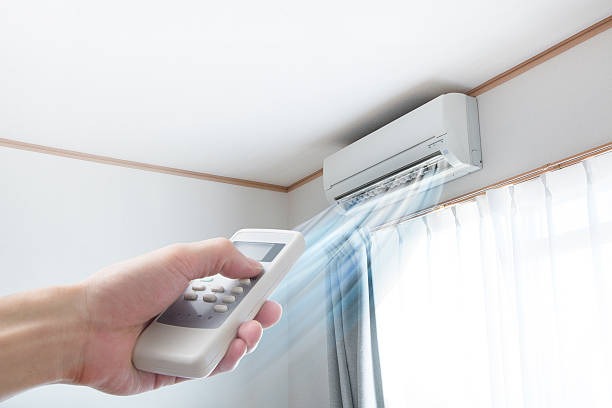
Mini Split installation in Orange County, FL is a practical, energy-smart solution for homes and businesses dealing with high summer heat, persistent humidity, and the need for flexible zoning. Van Eddies Heating & Air Conditioning installs ductless Mini Split systems to deliver reliable comfort with efficient dehumidification, quieter operation, and precise temperature control.
Why a professional mini-split installation matters in Orange County
Orange County summers are hot and humid. That climate makes proper sizing, placement, and commissioning of mini-splits essential to remove heat and moisture effectively without causing short cycling or inadequate dehumidification. A factory-correct refrigerant charge, accurate load calculations, appropriate indoor-head placement, and sealed condensate drainage all influence system performance and energy use. Improper installation can lead to poor comfort, higher power bills, and early component wear. Professional installation ensures the system performs as designed, meets Florida code and permit requirements, and provides the comfort and efficiency homeowners expect.
Common mini-split needs in Orange County homes and businesses
- Single-room cooling and heating for additions, converted garages, attic bedrooms, or home offices
- Whole-house multi-zone solutions for homes without ductwork or for spot-zone upgrades
- Supplemental conditioning for historic or older homes where installing ducts is impractical
- Improved humidity control and comfort in high-moisture areas like Florida kitchens, laundry rooms, and enclosed porches
- Zoning for rental units, guest suites, or mother-in-law suites
- Replacement of inefficient window units or bulky portable systems with a quieter, more efficient ductless option
Typical problems that lead people to choose mini-splits
- Inconsistent temperatures between rooms or floors
- High energy bills with poor humidity control
- Remodeling projects where adding ducts is cost-prohibitive
- Noise or security concerns with window units
- The desire for smart thermostat integration and individual zone control
Overview of the professional installation process
A high-quality mini-split installation follows a logical, documented workflow. Van Eddies Heating & Air Conditioning applies industry standards and local code knowledge at every stage:
- Site survey and load calculations
- Unit and indoor-head placement planning
- Line-set routing and conduit planning
- Electrical hookup and disconnects
- Refrigerant handling, charging and leak testing
- Commissioning and performance testing
- Zoning and thermostat integration, including smart controls
- Post-installation orientation, documentation and expected timelines
- Ongoing care and maintenance guidance
Each step is important. Below are details on how each part is handled and what Orange County homeowners should expect.
Site survey and load calculations
A proper installation starts with a comprehensive site survey and an ACCA-based load calculation (Manual J). The site survey documents:
- Home orientation and solar exposure in Orange County sun conditions
- Window sizes, types, and shading
- Insulation levels in walls and attic
- Room use and typical occupancy
- Internal heat gains from appliances and lighting
- Existing ventilation and any indoor humidity challenges
Load calculations determine the correct capacity for each indoor head or outdoor condenser, preventing oversizing or undersizing. Oversized systems cool too fast without removing enough moisture, a critical concern in humid climates like Central Florida. Undersized systems will struggle on the hottest days. Van Eddies Heating & Air Conditioning uses load calculations to match inverter-driven mini-splits to actual room loads and humidity needs.
Unit and indoor-head placement
Placement affects comfort, noise, and aesthetics. Key considerations include:
- Locating indoor heads where airflow covers the occupied zone without blowing directly on sleeping areas
- Mounting at recommended heights for efficient mixing of air and proper drainage
- Avoiding placement over cooking surfaces, high moisture exhausts, or direct sunlight that could reduce performance
- Balancing multiple indoor heads to maintain even temperatures and avoid short cycling
- Ensuring outdoor condenser placement allows adequate airflow, clearance, and protection from debris and flood-prone areas
In Orange County, outdoor units must be sited to withstand heavy rain and potential wind events. Elevated mounts or pad placement with proper anchoring may be recommended in areas with poor drainage or periodic storm surge concerns.
Line-set routing and penetration details
Proper line-set routing preserves refrigerant integrity and prevents leaks. Best practices include:
- Minimizing line length to reduce pressure drop and maintain efficiency
- Using insulated refrigerant tubing sized for the system and routed with smooth bends
- Installing a neat, sealed penetration where the lines enter the building, with vibration isolation and weatherproofing
- Concealing or boxing line-sets when possible to maintain curb appeal while allowing service access
- Providing adequate slope on drains and using trap details to prevent condensate problems
Line-set runs in Florida often cross exterior walls, soffits, or eaves. We plan routing to minimize exposure to UV and weather while keeping runs short and serviceable.
Electrical hookup and required disconnects
A safe electrical connection is required by code and manufacturer warranties. Typical electrical work includes:
- Installing a dedicated circuit sized to manufacturer specifications
- Installing an outdoor disconnect per local code and NEC requirements
- Verifying service panel capacity and upgrading if necessary
- Ensuring proper grounding and surge protection where applicable
- Labeling circuits and providing documentation for inspectors
For heat pump mini-splits, the electrical setup supports both cooling and heating operation, defrost cycles, and controls. In Orange County, local inspectors check electrical work during permit inspections to ensure compliance.
Refrigerant evacuation, charging and leak testing
Professional refrigerant handling is a safety and performance issue. Standard procedures include:
- Pressure testing the system with dry nitrogen to identify any leaks before evacuation
- Evacuating the refrigeration circuit to recommended vacuum levels (typically 500 microns or lower) to remove moisture and non condensables
- Charging refrigerant according to manufacturer specifications, compensating for line-set length and elevation changes
- Using electronic leak detectors and dye testing where appropriate
- Performing a full run test to verify pressures and superheat/subcooling values align with expected ranges
Accurate charging is important in Florida, where higher ambient temperatures affect system pressures. Van Eddies Heating & Air Conditioning documents refrigerant weight and pressures as part of the commissioning record.
Commissioning and performance testing
Commissioning verifies the system performs as intended under real conditions. Commissioning steps include:
- Running the system through cooling and heating cycles while recording supply and return air temperatures
- Checking airflow and head-state temperatures to verify proper airflow across the indoor coil
- Measuring refrigerant pressures and electrical load to confirm manufacturer tolerance
- Verifying condensate flow and that drains are clear and properly trapped
- Ensuring indoor units respond to controls and that modes change cleanly between heat, cool, fan, and dry
Performance testing in Orange County often includes evaluating humidity removal in addition to temperature control. Commissioning reports are created to document initial operating conditions and to serve as a baseline for future maintenance.
Zoning, multi-zone design and thermostat integration
One of the strengths of ductless systems is zoned comfort. Considerations for zoning and controls include:
- Determining the number and size of indoor heads per zone based on load calculations
- Choosing single or multi-zone outdoor condensers appropriate for the number of indoor units
- Designing control strategies that prevent simultaneous extreme demands that could overwork the outdoor unit
- Integrating wired or wireless thermostats and remote sensors for precise control in bedrooms, living spaces, and work areas
- Supporting smart thermostat and app-based controls for scheduling, geofencing, and energy tracking
Many modern mini-splits support manufacturer apps, or integrate with third-party smart systems. Integration options should be verified for compatibility with Nest, Ecobee, or other smart ecosystems if a homeowner prefers centralized control. Zoning strategies in Orange County often prioritize humidity control during cooling cycles and consider overnight setback strategies to avoid discomfort from rapid temperature swings.
Permits and expected timelines in Orange County
Most ductless mini-split installations require mechanical and electrical permits in Orange County. The typical process includes:
- Submitting plans or a scope of work to the local permitting office
- Receiving permit approval and scheduling inspections for rough electrical and final mechanical/electrical work
- Final inspection and certificate of compliance by the county or municipality
Expected timelines can vary by scope and locality. For straightforward single-head installations the permit and inspection process may be completed in a few weeks. Multi-zone projects or installations involving electrical service upgrades may extend timelines due to additional reviews or panel work. Local storm season and workload at county permitting offices can also impact turnaround times. Van Eddies Heating & Air Conditioning accounts for permit lead time in project scheduling and prepares necessary documentation to streamline approvals.
Post-installation care and owner orientation
A professional installation includes a thorough owner orientation and documented handoff:
- Demonstration of system operation, modes, and remote or app use
- Explanation of filter locations and cleaning frequency
- Walk-through of condensate drains and emergency shut-off procedures
- Delivery of commissioning documents, wiring diagrams, refrigerant records and permit/inspection paperwork
- Guidance on seasonal settings for energy and humidity control in Orange County climate
Education helps homeowners get the most from their system and reduces unnecessary service calls. For example, understanding how to use the dry mode or how fan speeds affect humidity removal will improve comfort on hot, muggy days.
Maintenance and long-term performance
Routine maintenance preserves efficiency, prevents downtime, and protects warranties. Recommended maintenance tasks include:
- Regular cleaning of indoor unit filters (every 1 to 3 months depending on use)
- Annual professional inspection: electrical connections, refrigerant pressures, drain lines, and coil condition
- Outdoor unit care: keeping clearances, removing debris, and ensuring level placement
- Checking condensate traps and cleaning drain lines to prevent overflow and microbial growth
- Periodic verification of refrigerant charge and system controls
In Orange County, higher pollen counts and summer storms can increase the frequency of filter maintenance and outdoor inspections. Proper maintenance supports stable humidity control, extends compressor life, and maintains SEER performance.
Benefits of professional installation
A well-executed installation provides measurable benefits:
- Improved comfort through precise temperature and humidity control
- Lower operating costs through correctly sized inverter-driven compressors and accurate refrigerant charge
- Quieter indoor operation compared with window or portable units
- Improved indoor air quality by reducing reliance on inefficient cooling methods
- Warranty protection when manufacturer installation requirements and local codes are followed
- Documented permit compliance and inspection records for future resale value
Van Eddies Heating & Air Conditioning brings local experience in Orange County neighborhoods, understanding building types from modern condos to older homes. That local knowledge informs placement decisions, permitting expectations, and service strategies specific to Central Florida.
Common installation scenarios and considerations
- Single-room upgrade: For a den, sunroom, or addition, a single-head mini-split provides efficient cooling and heating without ductwork. The installer will evaluate load, head placement, and a short line-set to the outdoor unit.
- Multi-zone retrofit: For multiple rooms, a multi-zone condenser with separate indoor heads offers individualized comfort. Careful balancing and communication between heads is necessary to avoid overtaxing the outdoor unit.
- Whole-home ductless: Some homes can be fully conditioned using multiple mini-splits across floors. Proper design considers overall heat load, electrical service, and coordinated zoning strategies.
- Hybrid systems: Combining a mini-split with existing central air can provide targeted comfort in problem rooms while preserving broader central system operation.
- Historic or restricted properties: Line-set concealment and minimal penetrations are key for maintaining historic aesthetics while installing modern comfort systems.
What to expect on installation day
On installation day, you can expect an organized crew to:
- Confirm the final layout and site decisions from the survey
- Protect floors and landscaping while accessing indoor and outdoor work areas
- Perform necessary wall penetrations, routing the line-set and power conduit
- Mount indoor heads and outdoor condensers securely with required clearances
- Make electrical connections and verify the outdoor disconnect
- Evacuate and charge the refrigerant circuit, then commission the system
- Walk through operation and maintenance details with the homeowner
A careful cleanup and completion of documentation will conclude the day, with any scheduled inspections noted for county compliance.
Why proper installation protects your investment
Mini-splits are precision systems. The combination of inverter-driven compressors, variable refrigerant flow, and tight control algorithms means installation variables like line-set length, electrical supply, and refrigerant charge have a strong influence on efficiency and lifespan. Professional installation protects the homeowner by ensuring:
- Manufacturer warranty compliance
- Optimal energy performance and indoor comfort
- Reduced risk of premature compressor or component failure
- Proper documentation for future property transactions
Van Eddies Heating & Air Conditioning integrates industry best practices, documentation, and local permitting knowledge to deliver installations that perform reliably in Orange County conditions.
Q: How long does a typical mini-split installation take from survey to final inspection?A: A single-zone installation including survey, permitting, and final inspection typically takes several weeks when permitting is required. The physical installation often takes one to two days. Multi-zone or more complex projects involving electrical upgrades may take longer.
Q: Do mini-splits need permits in Orange County, FL?A: Yes. Most mini-split installations require mechanical and electrical permits. Permit requirements and timelines vary by municipality in Orange County. Inspections are usually required for electrical and final mechanical work.
Q: Will a mini-split handle humidity in Central Florida?A: Properly sized and commissioned mini-splits with correct airflow and run-time provide effective humidity control. In very humid climates, it is important to size systems to avoid short cycling and to use modes and fan settings that encourage moisture removal.
Q: Can mini-splits be integrated with smart thermostats or home automation?A: Many modern mini-splits support manufacturer apps, Wi Fi modules, and third-party smart integrations. Compatibility varies by brand and model. Integration options should be reviewed during the design phase to ensure the desired control features are supported.
Q: How often should mini-split units be serviced?A: Homeowners should clean indoor filters every 1 to 3 months. A professional inspection and preventive maintenance visit annually will check refrigerant pressures, electrical connections, drain lines, and general performance.
Q: What refrigerant types are used and is refrigerant charging included?A: Most current mini-splits use R 410A or newer low GWP refrigerants depending on manufacturer choice. Professional installation includes pressure testing, evacuation, and charging to manufacturer specifications, with adjustments for line-set length and elevation.
Q: How long do mini-split systems last?A: With proper installation and maintenance, mini-split systems typically last 12 to 20 years. Operating conditions, maintenance practices, and climate stressors like high humidity and storm exposure influence lifespan.
Q: Are mini-splits noisy?A: Indoor heads are designed to be quiet, often producing only a few decibels of sound comparable to a refrigerator at low fan speeds. Proper placement and commissioning reduce perceived noise.
Q: Can a mini-split be used to heat in winter months?A: Yes. Heat pump mini-splits provide efficient heating in mild winter conditions typical of Central Florida. They work best within their rated outdoor temperature ranges.
Q: What documentation should I expect after installation?A: You should receive commissioning records, refrigerant charge documentation, wiring diagrams, permit and inspection paperwork, and a basic maintenance and operation guide specific to your system.
Maintenance Plan
Heat Pump/ AC Tune-Up

Furnace Tune-Up
Customer Testimonials