



Mini Split Installation in Oviedo, FL
Discover how mini split systems provide efficient cooling and dehumidification for Oviedo homes. Learn about installation, sizing, and common issues.



Choosing a Mini Split system for your Oviedo, FL home is a practical step toward more precise comfort control, better energy efficiency, and improved indoor air quality. Van Eddies Heating & Air Conditioning explains the full Mini Split installation process so you know exactly what to expect, why each step matters, and how proper design and installation protect comfort, equipment life, and warranty coverage in Central Florida conditions.
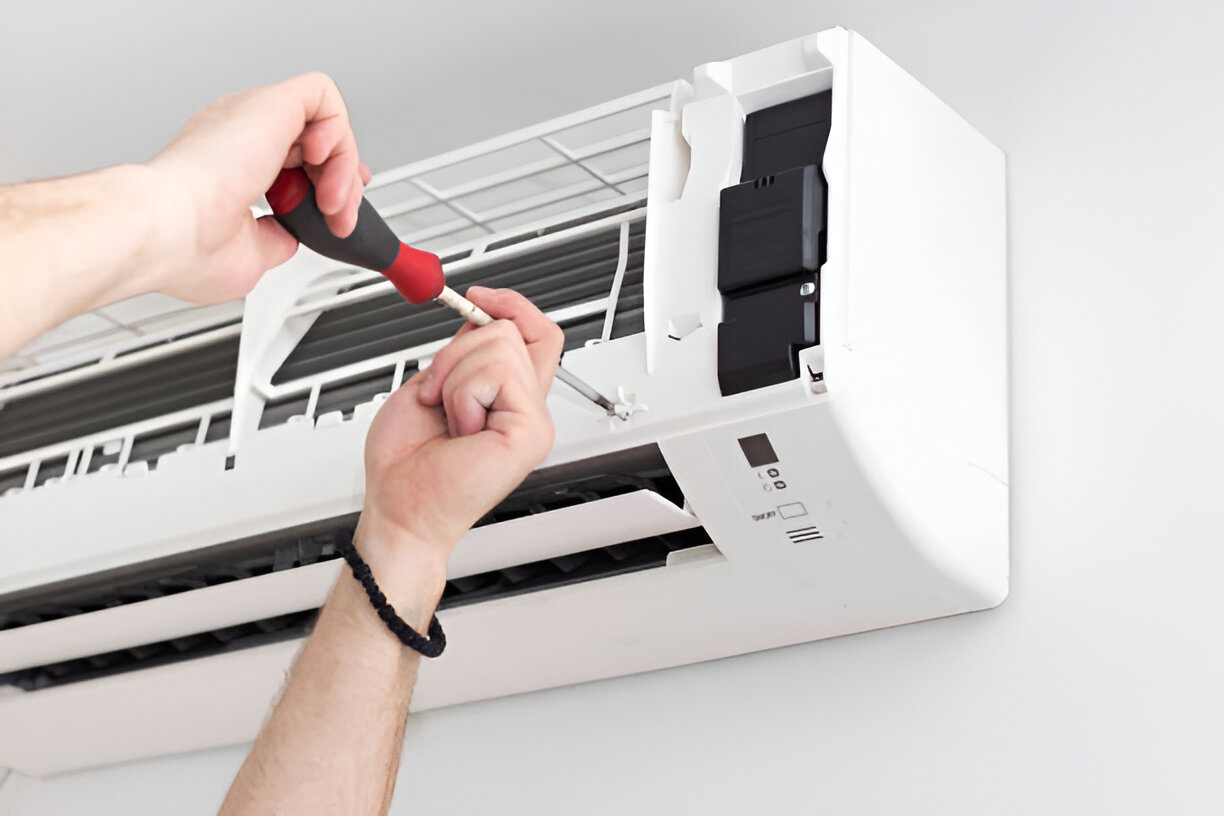
Why a mini-split makes sense in Oviedo
- Florida heat and humidity create large cooling loads for many months of the year. Mini-split heat pump technology offers efficient cooling and dehumidification that can reduce runtime and humidity levels compared with older, oversized systems.
- Many Oviedo homes have additions, converted spaces, or rooms that are poorly served by central ductwork. Ductless mini-splits allow zone-specific comfort without invasive duct installation.
- Multi-zone systems allow separate temperature control for bedrooms, home offices, and living spaces, which suits split schedules and commonly hotter second floors in Seminole County homes.
- For older homes, historic properties, or small remodel projects, mini-splits provide an energy-smart alternative with minimal structural disruption.
Common mini-split issues and homeowner needs in Oviedo
- Inadequate dehumidification when equipment is incorrectly sized or commissioned.
- Noise concerns when indoor or outdoor units are poorly sited.
- Improper refrigerant charge and long line sets yielding poor performance.
- Condensate routing problems in high-humidity environments leading to leaks or stains.
- Electrical circuits and permits not matching county code and manufacturer requirements.
This page walks through the professional installation process, diagnostic checkpoints, final testing, homeowner orientation, warranty considerations, and energy-efficiency best practices tailored to Oviedo homes.
Initial on-site assessment and load/sizing calculationsA thorough on-site assessment starts every successful mini-split installation. Technicians will:
- Walk every room intended for service to assess orientation, insulation, window types and shading, attic ventilation, and airflow patterns.
- Identify existing ductwork, obstructions, and potential indoor unit mounting locations.
- Note local environmental factors such as mature trees, sun exposure, and typical prevailing winds that affect outdoor unit placement.
Load calculations
- Licensed professionals perform a Manual J style load calculation specific to each zone. This determines correct BTU capacity for each indoor unit and helps avoid oversizing, which can increase humidity and decrease comfort.
- Proper sizing accounts for occupancy, lighting, appliances, and Oviedo climate patterns. Because Florida homes face long cooling seasons, accurate sizing balances cooling capacity and dehumidification needs.
Choosing indoor and outdoor unit configurationsMini-split systems are highly flexible. Common options include:
- Single-zone systems: one outdoor unit paired with one indoor unit for a single room or zone.
- Multi-zone systems: one outdoor unit connected to multiple indoor units serving different rooms, often preferred for whole-house or multi-room comfort.
- Indoor unit types: wall-mounted, ceiling cassette, floor console, or concealed ducted heads. Selection depends on aesthetics, ceiling clearance, and airflow requirements.
- Outdoor unit considerations: capacity, inverter technology, and physical footprint. Inverter-driven compressors provide variable-speed operation that improves efficiency and maintains steady temperatures, which is particularly beneficial in humid climates.
Site-specific indoor unit placement
- Preferred indoor unit locations prioritize airflow across the occupied zone while minimizing direct drafts on seating and sleeping areas.
- Wall-mounted units typically sit high on an interior wall with clearances for even air distribution.
- Ceiling cassettes are ideal for central spaces with dropped ceilings and provide nearly 360-degree airflow.
- Concealed ducted units are chosen when the homeowner prefers minimal visible equipment and is willing to accommodate short duct runs for distribution.
Refrigerant line and condensate routingProper refrigerant line and condensate management is critical in Florida’s humid environment.
- Line sets: Refrigerant lines carry refrigerant between the indoor and outdoor units. Installers choose routes that minimize length and avoid sharp bends. Long line sets may require additional factory charge, suction line insulation, and careful pressure and performance adjustments during commissioning.
- Brazing and pressure testing: All refrigerant joints are brazed with nitrogen purging to prevent oxidation. After brazing, installers pressure test lines to detect leaks and confirm integrity before evacuation.
- Evacuation and charging: Vacuum pumps pull the system down to manufacturer-specified vacuum levels to remove moisture and noncondensables. Technicians then charge refrigerant to the exact manufacturer specifications, adjusting for line length if required and verifying superheat and subcooling.
- Condensate routing: In high-humidity areas like Oviedo, correct condensate drain routing and slope prevent backups. Gravity drains are preferred where possible. If the indoor unit is in a location without gravity access to sanitary drain lines, a condensate pump or auxiliary safety drain with a float switch is installed. All drains are routed to avoid freezing or insect entry and are protected with proper traps and cleanouts.
Electrical requirements and permit complianceSafely powering a mini-split requires attention to local code and manufacturer specifications.
- Dedicated circuits: Most mini-split outdoor units require a dedicated circuit sized to the unit’s maximum overcurrent protection and running amperage. A disconnect means near the outdoor unit is typically required by code.
- Wiring: Cable routing from the main service panel to the outdoor unit and low-voltage communication wiring to indoor units must follow National Electrical Code and local Seminole County requirements. Grounding and bonding are installed per code.
- Permits and inspections: Local permitting is essential. Van Eddies Heating & Air Conditioning follows Seminole County and municipal permit processes to ensure installations pass inspection. Permited work provides a record for warranty coverage and future property transactions.
- Panel capacity: A panel load review is done to confirm sufficient capacity. If service upgrades are needed, installers coordinate with licensed electricians for panel changes.
Professional mounting and structural considerationsMounting outdoor and indoor units must balance performance, accessibility, and safety.
- Outdoor unit placement: Installers select a level location with clearance for airflow, service access, and noise considerations. Units are positioned to minimize exposure to falling debris and direct afternoon sun where feasible. For elevated installations, anti-vibration pads and secure mounting brackets are used. In storm-prone Florida, secure mounting and straps may be recommended to reduce wind exposure.
- Indoor unit mounting: Wall-mounted units require a reinforced interior wall substrate or backing plate. Ceiling and floor console units require framing accommodations. Concealed ducted units require sufficient return and supply openings and space for service access panels.
- Vibration isolation: Rubber isolators and foam pads are used to minimize vibration transfer and reduce noise in living areas.
Commissioning steps and on-site testingThe commissioning process is essential to verifying performance and optimizing efficiency.
- Electrical checks: Technicians confirm proper voltage and wiring to each unit and verify correct circuit protection and polarity.
- Leak test and evacuation: Following brazing and pressurization, the system is evacuated to remove moisture. Proper evacuation reduces the risk of compressor failure and improves efficiency.
- Refrigerant charge verification: Adjustments are made based on measured superheat and subcooling to ensure the correct refrigerant charge. This step is especially important if line lengths exceed factory recommendations.
- Electrical and mechanical performance measurements: Technicians measure current draw, voltage under load, and airflow where possible. These measurements confirm the system operates within manufacturer tolerances and local code limits.
- Temperature split checks: Installers measure inlet and outlet temperatures to confirm the system achieves the expected delta T for cooling and heating modes.
- Noise and vibration checks: Systems are observed in operation to ensure indoor units run quietly and vibration is mitigated.
Homeowner orientation and documentationA well-executed installation includes a homeowner walkthrough and orientation.
- Remote and control training: Homeowners learn how to use remotes, programmable schedules, swing settings, fan speeds, and economy or comfort modes.
- Filter care: Technicians show how to remove, clean, or replace filters and emphasize frequency based on occupancy and local pollen conditions in Oviedo.
- Condensate management explanation: Installers explain drain lines, pumps, and safety switches so homeowners know where to look if a float switch or leak alarm activates.
- Maintenance schedule: A recommended maintenance plan is provided covering routine cleaning, annual checkups, and how to spot early warning signs.
- Warranty and registration: Manufacturers typically require registration to activate warranty coverage for compressors and parts. Van Eddies Heating & Air Conditioning provides documentation about both equipment and labor warranties, along with copies of permit and inspection documents.
Warranty coverage and workmanshipUnderstanding warranty distinctions protects your investment.
- Manufacturer warranty: Most manufacturers cover compressors and major components for a set period. Coverage varies by model and tier. In addition to parts, some manufacturers offer limited warranty on the outdoor compressor and parts under specific registration conditions.
- Labor warranty: Professional installers may provide a separate labor warranty for workmanship. Labor warranty terms vary by company and typically cover installation-related issues for a defined period.
- Warranty compliance: Proper installation, permitting, and documented commissioning are often prerequisites for full warranty protection. That is why following local code and manufacturer installation instructions is vital.
Energy-efficiency considerationsMini-splits are known for delivering efficient performance when properly specified and installed.
- Inverter-driven compressors: Variable-speed inverter technology reduces on/off cycling and keeps temperatures steady, which increases comfort and reduces energy consumption during long cooling seasons in Oviedo.
- SEER and HSPF values: Higher SEER (seasonal energy efficiency ratio) ratings result in lower energy use during cooling season. For heat pump mini-splits, HSPF (heating seasonal performance factor) provides guidance on heating efficiency during cooler months.
- Zoned heating and cooling: Because mini-splits allow control by zone, you can avoid conditioning unoccupied spaces, cutting energy use without sacrificing comfort.
- Thermostat strategies: Proper use of scheduling and setback features maximizes savings while maintaining humidity control.
- Load-appropriate selection: Oversizing leads to short cycling and poor humidity control. Correctly sized units reduce runtime and improve dehumidification in humid subtropical climates like Oviedo.
Post-installation testing and performance verificationAfter the system is commissioned, technicians perform final tests to ensure long-term reliable performance.
- Pressure and leak recheck: Final checks confirm there are no leaks and that pressure holds steady.
- Operational test in all modes: Cooling, heating (if heat pump), defrost cycle, and fan-only settings are tested for responsiveness and stability.
- Safety devices: Float switches, overflow alarms, and electrical disconnects are tested to verify safety protocols function properly.
- Documentation and baseline readings: Technicians document baseline readings for refrigerant pressures, amperage, and delta T. These records help future service technicians diagnose changes or issues.
Maintenance, troubleshooting, and common repairsRegular maintenance keeps efficiency high and reduces the chance of mid-season failures.
- Recommended frequency: Filter cleaning every 1 to 3 months depending on occupancy and pollen. Annual professional checkups include coil cleaning, refrigerant and electrical inspection, condensate drain cleaning, and controls verification.
- Common problems: Clogged filters, restricted condensate drains, improper refrigerant charge, and sensor issues are typical service calls. Early detection avoids compressor stress and unnecessary energy costs.
- Seasonal considerations: Before peak summer, verify airflow, clean outdoor coils, and check condensate routing. In the cooler months, test heating mode cycles and ensure defrost operation is normal.
Why professional installation matters in Oviedo
- Code and permit knowledge: Local permitting and inspection requirements in Seminole County ensure installations meet safety and energy regulations that protect homeowners and preserve warranties.
- Climate-specific commissioning: Proper dehumidification strategies, line set adjustments, and load-based sizing are especially important in humid Central Florida.
- Experience with local building types: Technicians familiar with common Oviedo construction methods can minimize disruption while ensuring durable, accessible installations.
- Warranty protection: Manufacturer and labor warranties are vulnerable to improper installation. Professional installers follow documented procedures that preserve coverage and equipment life.
Maintenance Plan
Our comprehensive 21-point Tune-up maintenance plan ensures your systems run smoothly year-round, with regular check-ups and priority support.
Heat Pump/ AC Tune-Up
Our Heat Pump/AC Tune-Up ensures peak performance by cleaning coils, checking refrigerant, lubricating parts, and inspecting electrical components. This boosts energy efficiency, extends system life, prevents breakdowns, and lowers utility bills while maintaining optimal home comfort year-round.
Sign Up Today!

Check And Adjust Thermostat As Needed
Check Filter; Replace/Wash As Needed
Check Voltages
Check All Wiring And Connections
Check Starting Contractor
Check All Capacitors
Measure All Motor Amperages
Check Operation of Unit Safety Controls
Check Superheat/Hot Gas Temperature
Check Refrigerant; Charge As Needed
Check Evaporator Condition; Clean As Needed
Check For Rubbing Refrigerant Lines
Check And Clean Condenser Coil
Check Air Temperature Across Evaporator Coil
Lubricate Any Moving Parts
Check Fan Blades For Cracks
Check Condenser Temperature Rise
Check Condensate Drain Or Pump
Check Fuse Disconnects
Check Condition of Ductwork
Wax Top Of Unit
Furnace Tune-Up
Our Furnace Tune-Up optimizes heating efficiency through coil cleaning, burner inspection, airflow checks, and safety control testing. This service prevents costly repairs, enhances fuel efficiency, extends equipment lifespan, and ensures reliable warmth during cold months.
Sign Up Today!
Check And Adjust Thermostat As Needed
Check Filter; Replace/Wash As Needed
Check For Gas Leaks At Furnace
Clean Burners And Controls
Check Safety Controls; Adjust As Needed
Check Flame Sensors
Clean Equipment Interior
Check Fan Control
Check Blower Speed And Operation
Check All Wiring And Connections
Check Connection Of Flue Pipe and Draft Diverter
Check Ignition System
Check Heat Exchanger
Check Complete Furnace Cycle
Lubricate All Moving Parts
Check Pressure Switches And Vent Blower/Draft Inducer
Check Temperature Of Vent Air
Check Air Temperature Across Furnace
Check Condition Of Ductwork
Measure Carbon Monoxide
Clean Equipment Exterior
Customer Testimonials
Discover why our customers love us through their heartfelt testimonials.