



Mini Split Installation in Willis, TX



Installing a ductless Mini Split system is one of the most effective ways to deliver targeted comfort, improve indoor air quality, and reduce energy costs in Willis, TX homes. Van Eddies Heating & Air Conditioning brings regional experience and certified installation practices to every Mini Split project, helping homeowners replace inefficient window units, heat individually conditioned rooms, or add climate control to additions and spaces without ductwork.
Why choose a mini-split in Willis, TX
- Willis and Montgomery County experience long, hot, humid summers and occasional cool winters. Mini-splits provide powerful, efficient cooling while offering better humidity control than many window or portable units.
- Many older Willis homes or recent additions lack existing ductwork or have ducts that are undersized or leaky. A ductless mini-split can deliver conditioned air without the expense and disruption of duct installation.
- Mini-splits offer zoning flexibility: cool or heat only the rooms you use, which is ideal for bedrooms, bonus rooms, garages converted to living space, sunrooms, and home offices.
- Modern inverter-driven mini-splits maintain comfort with variable-speed operation, lowering electrical demand during peak summer temperatures common in Willis.
Common reasons Willis homeowners choose mini-split installation
- Adding HVAC to a room or addition without ducts
- Replacing inefficient window units or baseboard heating
- Reducing cooling costs and improving humidity control
- Creating independent zones for bedrooms, home offices, or rental units
- Upgrading to heat pump systems for both cooling and mild heating
On-site evaluation and load/sizing calculationsA professional on-site evaluation is the foundation of a successful mini-split installation. Van Eddies Heating & Air Conditioning follows industry best practices to match equipment to your home and usage patterns.
What the evaluation includes:
- Room-by-room load calculation using Manual J principles adapted for ductless systems. This measures heat gain and heat loss based on square footage, ceiling height, insulation levels, window area and orientation, and the local Willis, TX climate.
- Assessment of existing electrical service and panel capacity. Willis homes with older panels may require circuit upgrades or a new dedicated breaker for outdoor units.
- Inspection of installation locations, including wall structure, indoor unit siting options, outdoor unit placement, and potential routing for refrigerant lines and condensate drains.
- Examination of indoor air quality concerns, ventilation needs, and whether multi-zone systems or supplemental ventilation (ERV/HRV) are recommended for the space.
Why accurate sizing matters:
- Oversized units short-cycle, cause temperature swings, and perform poorly at humidity control. In Willis humidity, proper dehumidification requires steady run times provided by correctly sized inverter systems.
- Undersized systems will run continuously and fail to reach target comfort levels during heat waves.
- Load/sizing ensures efficient operation, longevity, and balanced comfort across zones.
Indoor and outdoor unit placementCorrect placement of both the indoor and outdoor units is critical for performance, noise control, and appearance.
Indoor unit placement considerations:
- Wall-mounted units are the most common and sit high on an interior wall to optimize airflow and comfort. Ideal locations avoid direct sunlight, cooking odors, and heavy dust sources.
- Other indoor options include ducted mini-splits (for hidden distribution), ceiling cassette units (for open floor plans), and floor-mounted units (for rooms where wall space is limited).
- Plan placement to ensure unobstructed airflow across the unit and to avoid short-circuiting cooled air back into return areas. For bedrooms, mount units to direct airflow away from the bed for comfort.
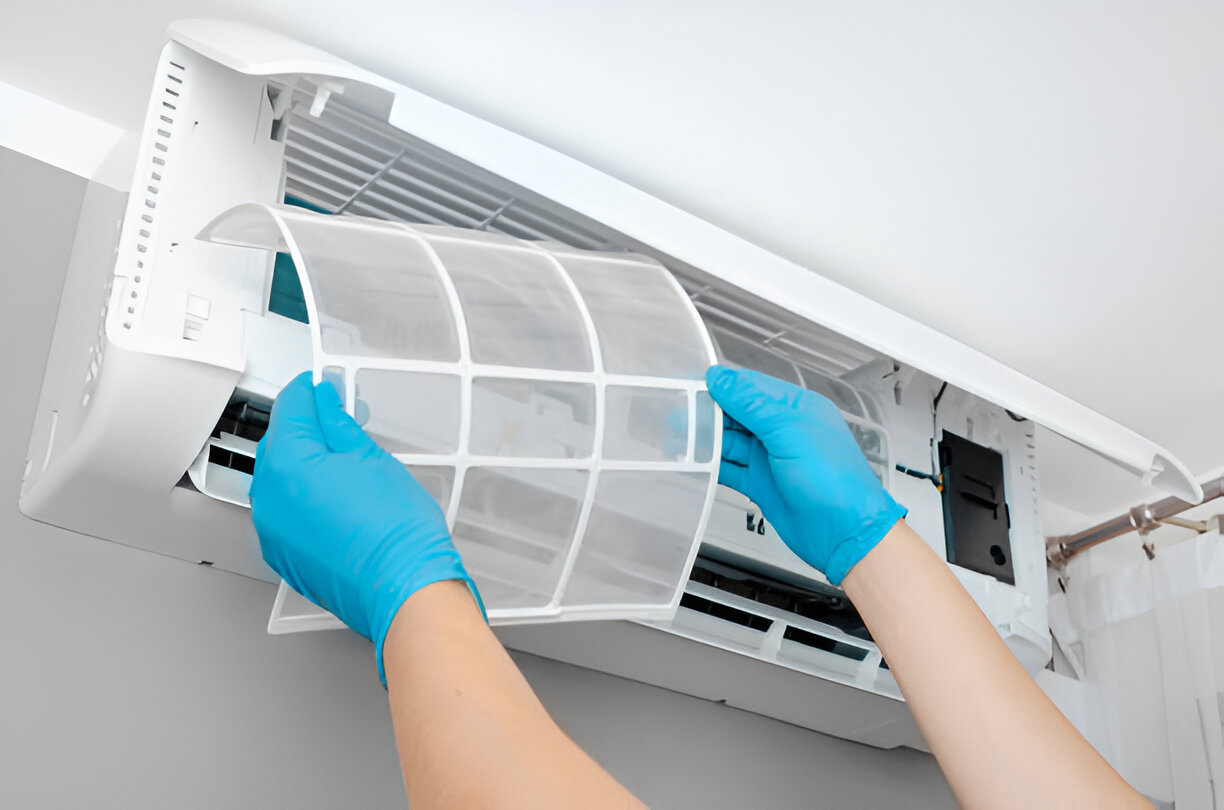
- Each indoor head should be accessible for filter cleaning and routine service.
Outdoor unit placement considerations:
- Install outdoor units on a solid, level pad or wall brackets with adequate clearance for airflow and service access. Common locations are beside the house, on a rear slab, or mounted on vibration-isolating brackets.
- Ensure at least 12-24 inches clearance on sides and 36 inches above the top where possible. Clearance needs vary by manufacturer.
- Willis summers can be hot; avoid locations with direct, prolonged sun on the condenser if practical. Shading that does not obstruct airflow can improve efficiency.
- Locate the outdoor unit where refrigerant line lengths can be minimized to maintain efficiency and minimize installation complexity.
Refrigerant line routing and penetrationsProper refrigerant line routing and penetration sealing are essential for reliable performance and building integrity.
Key routing and installation standards:
- Refrigerant lines (liquid and suction) are run in insulated copper line sets from the outdoor compressor to each indoor head. The run length affects system efficiency and charging requirements.
- Maximum line run lengths and vertical lift limits depend on the manufacturer and model. Long runs may require special considerations, oil traps, or additional charging.
- Line sets are typically routed through a small penetration in exterior walls, sealed with appropriate fire and weather-rated materials to maintain air and moisture barriers.
- Conceal line sets where possible inside walls or through decorative raceways. For visible exterior runs, use paint-matched covers to maintain curb appeal.
- Proper insulation on the suction line prevents condensation and maintains efficiency, which is especially important in Willis humid conditions.
Electrical requirements and code considerationsMini-splits have specific electrical needs that installers must meet to comply with local codes and ensure safe operation.
Typical electrical requirements:
- Most single-zone and multi-zone mini-splits require a dedicated 208/230V circuit and a disconnect means located at the outdoor unit per local electrical code.
- HVAC-qualified electricians or licensed technicians should perform electrical connection, verify breaker sizing, torque connections, and ensure correct grounding.
- If your home’s electrical panel lacks capacity, upgrades may be necessary to add new circuits while maintaining code compliance.
- Permits and inspections: local jurisdictions in Montgomery County generally require permits for refrigerant handling and electrical work. Proper permitting ensures installations comply with safety and energy codes.
Mounting and commissioning stepsA quality installation follows strict mounting and commissioning protocols to ensure safe, efficient, and lasting operation.
Standard mounting and mechanical steps:
- Secure indoor unit mounting plate to a structural wall surface. Use vibration isolators to minimize noise transmission.
- Prepare outdoor pad or brackets and position outdoor unit on a stable, level base.
- Install line sets, electrical conduit, and condensate drain piping. Where condensate cannot gravity drain, install condensate pumps sized for the application.
- Evacuate the refrigerant lines and indoor coil using a vacuum pump to remove air and moisture. This step is critical to prevent contamination and compressor damage.
- Charge the system following manufacturer specifications. Many inverter mini-splits are factory charged for a limited line length; additional refrigerant may be required for longer runs.
- Pressure test system to check for leaks and verify tightness.
Commissioning and performance verification:
- Perform leak testing, measure refrigerant pressures, and verify correct refrigerant charge.
- Confirm electrical connections, voltage, and amp draw under operating conditions.
- Verify airflow and delta-T (temperature difference between supply and return) to confirm the unit is producing rated capacity.
- Program controls, pair remotes or Wi-Fi interfaces, and explain basic operation to the homeowner, including filter access and routine care items.
- Document the installation details and manufacturer model/serial numbers for warranty and service records.
Expected timeline for mini-split installation in Willis, TXInstallation times vary with project complexity, number of zones, and if electrical or structural modifications are needed.
Typical timelines:
- Single-zone wall-mounted mini-split: 4 to 8 hours for a standard retrofit where a dedicated circuit and clear wall space exist.
- Multi-zone systems with 2 to 4 indoor heads: 1 to 2 days, depending on line set routing complexity and whether multiple penetrations are required.
- Larger systems, hidden ducted mini-splits, or installations requiring structural alterations or electrical panel upgrades may take several days and sometimes require staged work across visits.
- Permit and inspection windows: local permitting and inspection schedules in Montgomery County can affect project completion time. Account for additional time for permit processing and inspections.
Energy-efficiency benefits of ductless mini-split systemsMini-splits deliver measurable efficiency and comfort advantages, particularly in Willis where cooling demand dominates energy use.
Why mini-splits are efficient:
- Inverter-driven compressors modulate output to match load, reducing start-up losses and short cycling common in single-speed systems.
- Zoning lets you condition only occupied rooms, cutting runtime and overall energy consumption compared to whole-house central systems.
- High SEER ratings: many modern mini-split systems achieve SEER ratings in the mid 20s and higher, meaning substantially less energy per cooling ton.
- Reduced duct losses: eliminating or minimizing ductwork removes energy losses associated with leaky or poorly insulated ducts, which can be substantial in older Willis homes.
- Improved humidity control: steady, longer run times at lower speeds allow better dehumidification, improving comfort without overcooling.
Available brands and model types commonly installedThere are several reputable manufacturers and product types suitable for Willis installations. Van Eddies Heating & Air Conditioning evaluates brand options based on performance, warranty, and local support.
Common brands and manufacturers often specified:
- Mitsubishi Electric
- Daikin
- Fujitsu
- LG
- Panasonic
- Midea
- Gree
- Bosch
- Samsung
Common model and system types:
- Single-zone, wall-mounted mini-splits for a single room
- Multi-zone mini-splits with a single outdoor unit supporting multiple indoor heads (2 to 8 zones typical)
- Ducted mini-split units for concealed installation with short runs of flexible ducts
- Floor-mounted indoor units for low-wall installations
- Ceiling cassette units for open areas with discrete aesthetics
- Heat pump mini-splits providing both cooling and heating capability for mild winter conditions in Willis
Selecting models:
- Consider SEER/HSPF ratings, inverter technology, sound levels, remote and Wi-Fi control options, and warranty coverage.
- Evaluate manufacturer support and local parts availability in the Willis/Conroe area for faster service if repairs or parts are needed.
Maintenance tips after install for longevity and performanceRoutine maintenance keeps mini-split systems running efficiently, lowers operating costs, and prevents premature failures.
Owner-maintenance tasks:
- Clean or replace filters every 1 to 3 months depending on indoor air quality and occupancy. In Willis, pollen and higher humidity can require more frequent cleaning.
- Keep the outdoor unit clear of leaves, grass clippings, and debris. Maintain at least 12-24 inches of clearance for airflow.
- Inspect refrigerant line insulation annually. Damaged insulation can lead to efficiency loss and condensation.
- Check condensate drains for blockages and ensure proper drainage, especially during heavy summer humidity when condensate increases.
- Use the system regularly during shoulder seasons to prevent stagnation and to verify heating function for heat pump models.
Professional maintenance and service:
- Schedule annual or biannual professional maintenance. A licensed technician will check refrigerant charge, electrical connections, and overall system performance.
- Have a professional clean the indoor coil during annual service to maintain heat transfer efficiency.
- Verify firmware updates and control network security on smart-enabled systems periodically.
Local considerations specific to Willis, TX
- Humidity control is often as important as temperature control. Properly sized and commissioned mini-splits with inverter compressors help maintain lower indoor humidity without excessive overcooling.
- Willis area vegetation and seasonal pollen can increase filter loading and outdoor coil fouling. Regular maintenance prevents airflow restriction and reduces allergen recirculation.
- Homes with limited outdoor space or aesthetic restrictions may require creative outdoor unit placement or muted color choices to match exterior finishes.
- Storm preparedness: secure outdoor units and ensure mounts meet local code for wind and storm resilience where applicable.
Warranty, code, and environmental considerations
- Refrigerant handling and charging must comply with EPA regulations and local codes. Only licensed technicians should perform refrigerant service.
- Check manufacturer warranty requirements for proper installation procedures and maintenance schedules, as warranties may require documented professional installations and annual maintenance.
- Consider inverter heat pump systems that use modern refrigerants with lower global warming potential where available.
What to expect from a professional installation by Van Eddies Heating & Air ConditioningA professional approach includes a thorough evaluation, transparent explanation of equipment options, properly permitted installation, and careful commissioning. Van Eddies Heating & Air Conditioning brings local Willis experience to ensure units are sized and installed for peak performance in the local climate while meeting all safety and code requirements.
Maintenance Plan
Heat Pump/ AC Tune-Up

Furnace Tune-Up
Customer Testimonials