


Mini Split Repair in Lake Conroe, TX



Mini Split systems are a popular choice for Lake Conroe homes because they deliver efficient, zoned comfort without ductwork. When a Mini Split fails, it can quickly affect comfort, indoor air quality, and energy costs. Van Eddies Heating & Air Conditioning provides professional Mini Split repair in Lake Conroe, TX, with experienced technicians who understand the regional climate and the specific stresses it places on ductless systems.
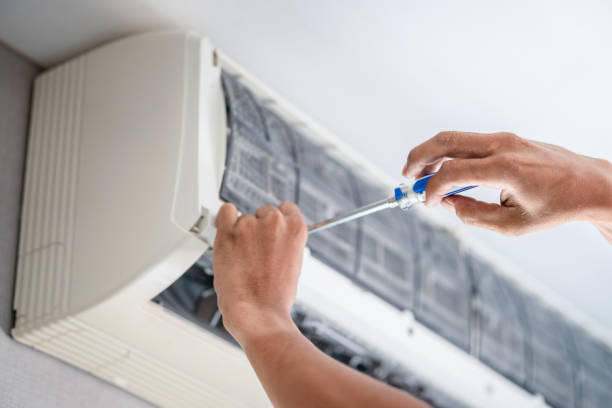
Why timely mini-split repair matters in Lake Conroe
Lake Conroe experiences hot, humid summers and occasional severe weather that increase run time and stress on HVAC equipment. High humidity and salt-bearing air carried from the Gulf can accelerate corrosion on outdoor components and lead to moisture-related issues inside the indoor heads. Delaying repairs can turn a simple fix into a major replacement, increase energy bills, and create comfort gaps in frequently used rooms. Prompt diagnosis and targeted repairs restore performance, prevent secondary failures, and protect the system warranty when handled correctly.
Common mini-split problems in Lake Conroe and what causes them
- Compressor problems
Symptoms: unit does not cool or heat, outdoor compressor runs but with weak output, or the unit trips breakers. Causes include electrical failures, refrigerant starvation from leaks, motor wear, or overload due to dirty coils and restricted airflow. Inverters and variable-speed compressors present additional electronic failure modes. - Fan motor and blower issues
Symptoms: weak airflow from indoor heads, noisy indoor or outdoor fans, intermittent fan operation. Fan bearings, capacitors, or motors can fail; debris buildup and poor drainage can also impede fan movement or cause vibration-related damage. - Refrigerant leaks
Symptoms: gradual loss of cooling, frost on evaporator coils, hissing sounds near line sets. Leaks are common at brazed joints, service valves, or line-set punctures and are exacerbated by corrosion from humid and salty environments. Proper leak detection and repair are required before recharging. - Electrical and control faults
Symptoms: unit will not power on, frequent tripping of breakers, error codes displayed on indoor heads. Faults include damaged wiring, failed contactors, blown fuses, and control board failures. Lightning and power surges during storms can damage electronics. - Thermostat and sensor problems
Symptoms: unit cycles on and off too frequently, inaccurate room temperatures, or units running constantly. Sensors can become dislodged, covered in dust, or fail, causing the system to misread conditions and operate inefficiently. - Drainage and condensate problems
Symptoms: water leaking inside near the indoor head, musty odors, or units cycling off on overflow float switches. Clogged drain lines, poor slope on condensate piping, or frozen coils from low refrigerant can cause drainage failures. - Communication and inverter issues
Symptoms: outdoor unit runs but indoor head shows an error or vice versa. Ductless systems rely on communication between indoor and outdoor electronics; damaged communication lines or failed inverter boards can stop operation even when mechanical components are sound.
How Van Eddies diagnoses mini-split issues
- Visual inspection and operational check
Technicians begin with a systematic visual inspection of indoor and outdoor units, line sets, electrical connections, and mounting hardware. They listen for abnormal noises, observe airflow, and confirm error codes presented on indoor controllers. - Refrigerant and pressure testing
Proper diagnosis includes measuring system pressures and temperatures to verify refrigerant charge and performance. If pressures indicate a leak or undercharge, a targeted search with electronic leak detectors and UV dye or soap testing is performed. - Electrical and control verification
Technicians test voltage, amperage draw, and continuity on critical components such as compressor motors, fan motors, capacitors, contactors, and control boards. They also inspect wire harnesses and connectors for corrosion or animal damage common in outdoor units. - Sensor and thermostat calibration
Temperature sensors and room thermostats are tested for accuracy and placement issues. If sensors read incorrectly or are poorly positioned relative to airflow, technicians re-seat or replace sensors and verify proper control behavior. - Drain and airflow assessment
Technicians check filters, evaporator coils, condensate lines, and drain pans for clogs and debris. Airflow is measured to determine if fan motors, ductless head vanes, or built-up indoor dirt are restricting performance. - Diagnostic reporting and options discussion
After testing, Van Eddies technicians prepare a clear diagnostic report outlining the root cause, recommended repairs, potential alternatives like component replacement versus full outdoor unit swap, and warranty implications. Estimates are itemized to make informed choices easier.
Typical repair and replacement services
- Compressor replacement and rebuilds
When compressors fail due to motor burnout or mechanical damage, replacement is often required. Technicians determine correct replacement models and handle refrigerant recovery, safe removal, and brazing to the existing line set. Inverter-driven compressors may require additional control board updates. - Fan motor and blower repairs
Replacement of indoor or outdoor fan motors, bearings, and fan blades restores proper airflow and reduces noise. Balancing and vibration dampening are addressed to prevent recurring wear. - Refrigerant leak repair and recharge
Leak repairs are performed at the source location, using brazing or component swaps as necessary. Systems are evacuated to appropriate vacuum levels, leak-tested, and recharged with manufacturer-specified refrigerant and correct oil types if required. - Electrical and control board replacement
Failed contactors, capacitors, fuses, and control boards are replaced with compatible parts. For systems with current sensor or inverter issues, technicians verify software versions or component compatibility to avoid cross-brand conflicts. - Indoor head service and coil cleaning
Coil cleaning, drain clearing, and fan assembly cleaning in indoor heads improve heat transfer and reduce humidity problems and odors. UV coil lights or antimicrobial treatments can be recommended when mold or biological growth is present. - Line set and insulation repair
Damaged refrigerant lines and deteriorated insulation are repaired or replaced to prevent efficiency loss and condensation problems inside walls or crawlspaces. Proper sloping and support are restored to reduce stress on connections. - Condensate and drain work
Clearing traps, installing new condensate pumps if needed, and re-routing drains to ensure reliable removal of condensation is a common service after addressing water intrusion or staining. - Sensor and thermostat replacements
Faulty indoor sensors, wireless thermostats, or wall controllers are replaced and recalibrated. Technicians ensure controllers are matched to the system and reprogram them for zoning and energy-saving schedules when supported.
Parts replacement, warranty work, and documentation
Van Eddies Heating & Air Conditioning handles both aftermarket and OEM parts replacement depending on system age, availability, and warranty terms. When a system is still under manufacturer warranty, technicians document failures, complete inspection reports, and work with warranty providers to process claims. This includes:
- Verifying serial numbers and original installation dates
- Confirming warranty coverage for specific components
- Supplying test results and failed part returns when required
- Providing rebate or warranty paperwork to homeowners as part of the repair record
Labor warranties for Van Eddies repairs and the expected manufacturer warranty on replacement parts are listed in the written repair estimate and final invoice so homeowners understand coverage periods and conditions. Using qualified technicians and approved parts helps preserve existing warranties and reduces disputes.
Emergency and rapid-response mini-split repair in Lake Conroe
Lake Conroe homeowners face urgent HVAC needs during heat waves and after storms. Van Eddies provides emergency and rapid-response options designed for fast diagnosis and temporary stabilization to restore comfort until full repairs can be completed. Typical emergency measures include:
- Temporary cooling fixes such as bypassing failed controls or installing portable condensate pumps to stop immediate water damage.
- Quick replacement of commonly failed parts like capacitors and contactors to get systems running while sourcing harder-to-find components.
- Power surge assessments and temporary isolation of damaged electronics to prevent further component failures.
- Rapid mobilization to prioritize medically vulnerable residents or systems serving essential rooms.
Emergency responses focus on safety, stopping further damage, and restoring usable comfort quickly. A follow-up service is normally scheduled to perform permanent repairs, proper system evacuations, or parts installations once the root cause is fully identified.
Transparent pricing and estimates for Lake Conroe mini-split repair
Van Eddies is committed to clear, itemized pricing so homeowners in Lake Conroe can make informed decisions. The pricing and estimate process typically includes:
- A diagnostic assessment fee or a waived fee when repairs are authorized on the same visit. This ensures a professional evaluation before committing to parts.
- A written, itemized estimate that lists parts, labor, warranty coverage, and expected timeline for repairs. Estimates identify essential repairs and optional upgrades with separate line items.
- Discussion of repair versus replacement options when repairs approach the cost or when age and efficiency losses recommend replacement. Estimated energy savings and lifespan implications are included in the assessment.
- Explanation of parts availability, lead times, and any potential supplemental work that may be discovered during repair. Homeowners are informed before additional work is performed.
Clarity on what is included and excluded in pricing helps prevent surprises and aligns repair expectations with actual outcomes. Documentation is provided so homeowners have a clear repair log for future service or warranty claims.
Preventive maintenance tips to reduce future breakdowns
Regular maintenance is the most cost-effective way to keep a mini-split running well in Lake Conroe. Recommended maintenance steps include:
- Schedule annual or biannual tune-ups
For Lake Conroe climate, schedule at least one comprehensive service in spring before peak cooling season. A second check in fall can help prepare heating mode and spot humidity-related issues. - Clean or replace filters regularly
Indoor filters should be cleaned or replaced every 1 to 3 months depending on usage, pets, and indoor air quality. Clogged filters reduce airflow and increase compressor run time. - Keep indoor heads and coils clean
Dust and biological growth on evaporator coils reduce transfer efficiency. Coil cleaning during tune-ups improves performance and humidity control. - Inspect and clear condensate lines
Ensure drain lines and pans are free of algae and debris. Consider adding a condensate safety float switch to prevent overflow damage. - Check outdoor unit clearance and mounting
Maintain at least the manufacturer-recommended clearance around the outdoor unit to ensure proper airflow. Remove yard debris, trim vegetation, and check for rust or corrosion. - Protect electronics from power surges
Install surge protection for outdoor units or whole-home surge protection if power quality is variable. Storm-related surges are a common cause of control board failures. - Monitor refrigerant performance
Signs of a refrigerant issue such as icing, low cooling capacity, or high energy usage should be addressed immediately. Early leak detection minimizes damage and lowers the chance of compressor failure. - Insulate and protect line sets
Ensure line set insulation remains intact and is checked for UV and moisture degradation. Re-insulate exposed runs to prevent condensation and efficiency loss. - Keep records of service and performance
Maintain documentation of previous repairs and tune-ups. This helps technicians identify recurring trends and supports warranty claims.
Common diagnostic codes and what they indicate
Many modern mini-splits display error codes that point to common faults. While each manufacturer uses different codes, typical categories include:
- Communication errors between indoor and outdoor units indicating wiring or control board issues.
- Refrigerant pressure or temperature errors pointing to low charge or sensor faults.
- Fan motor or blower errors reflecting motor failures or obstructions.
- Drainage and overflow warnings related to condensate issues.
- Compressor lockout codes signaling electrical faults, overheating, or internal compressor failure.
Van Eddies technicians interpret codes in the context of system performance and verify with hands-on testing before recommending parts replacement.
Why local expertise matters in Lake Conroe
Local technicians understand how Lake Conroe weather, humidity, lake proximity, and storm patterns affect mini-split longevity. Salt-laden air and high humidity accelerate corrosion and biological growth, requiring different inspection priorities than drier climates. Van Eddies Heating & Air Conditioning brings local experience to every repair, advising on corrosion-resistant components, surge protection, and maintenance schedules tailored to Lake Conroe homes.
Van Eddies technicians are trained in ductless system service and familiar with most manufacturers, ensuring repairs are executed to industry best practices with attention to warranties and parts compatibility. Clear service reports and follow-up recommendations enable homeowners to balance repair costs against long-term system performance.
FAQs
Q: How quickly can a mini-split be diagnosed in Lake Conroe?
A: A qualified technician can typically complete a diagnostic inspection in one visit, including visual checks, refrigerant pressure testing, airflow measurement, and electrical testing. If parts or more extensive troubleshooting are required, the technician will provide an itemized estimate and timeline for repair.
Q: Will repairing a refrigerant leak void my warranty?
A: Properly documented leak repair and use of manufacturer-approved procedures and refrigerants typically preserve warranty coverage. Replacing failed components with OEM parts and providing repair documentation helps with warranty claims. Van Eddies reviews warranty terms during diagnostics.
Q: Can a failed inverter cause the entire system to stop working?
A: Yes. An inverter or communication board failure can prevent the outdoor compressor and indoor heads from coordinating, leading to a complete shutdown even if mechanical parts are intact. Technicians test the electronic control pathways to pinpoint these issues.
Q: How often should I schedule maintenance for a mini-split in Lake Conroe?
A: For Lake Conroe conditions, at least one comprehensive tune-up before the cooling season is recommended. Biannual visits are beneficial for high-use homes or units exposed to yard debris and lake-influenced humidity to catch corrosion and drainage issues early.
Q: Are emergency repairs available after a storm?
A: Emergency stabilization services are common after storms to restore temporary cooling, clear water intrusion, and prevent further damage. Permanent repairs may require follow-up visits for safe refrigerant handling and parts replacement.
Q: What information should I have ready for a technician?
A: Provide the unit brand and model, age of the system, known error codes, recent service history, and when the issue began. Photos of indoor heads and the outdoor unit location can help the technician prepare for parts and tools needed.
Maintenance Plan
Heat Pump/ AC Tune-Up

Furnace Tune-Up
Customer Testimonials