



Mini Split Repair in Montgomery, TX



Mini Split repair in Montgomery, TX is a specialized service for homeowners and businesses that depend on ductless heating and cooling to stay comfortable year round. Van Eddies Heating & Air Conditioning understands how quickly a failing mini-split can affect comfort in bedrooms, additions, home offices, or multi-zone spaces. Montgomery experiences hot, humid summers, rapid temperature swings in spring and fall, and seasonal pollen and dust that increase strain on indoor equipment. That makes timely, expert mini-split diagnostics and repairs essential to preserve efficiency, indoor air quality, and long equipment life.
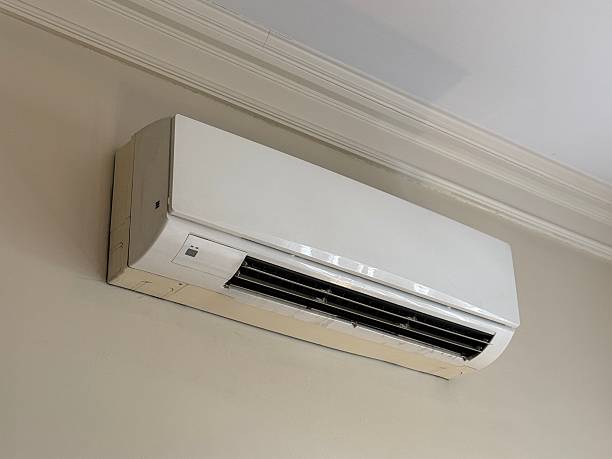
Why prompt mini-split repair matters in Montgomery, TX
- Montgomery summers are hot and humid; a loss of cooling quickly becomes a health and comfort concern.
- Humidity and pollen contribute to blocked filters, mold growth on coils or inside drainage systems, and degraded indoor air quality.
- Delaying repair can cause secondary damage: a refrigerant leak left unchecked can damage the compressor, and electrical faults can lead to intermittent operation or a complete system failure.
- Ductless systems often serve specific zones; a single failed head can make a living space unusable while the rest of the home remains comfortable.
Van Eddies Heating & Air Conditioning treats mini-split issues as both comfort and reliability problems. Fast diagnosis and repair reduce operating costs and extend the life of your system.
Common mini-split problems in Montgomery homes
- Loss of cooling or heating: Unit runs but does not reach temperature setpoint, or output is weak and inconsistent.
- Intermittent operation: System cycles on and off unpredictably, often caused by thermostat, control board, or sensor faults.
- Refrigerant leaks: Reduced cooling capacity, frosting of the evaporator coil, and hissing or oily residue near line sets.
- Compressor failure: Outdoor unit does not start or hums without engaging; can be due to electrical or mechanical issues.
- Fan motor or capacitor failure: Indoor or outdoor fan does not run, runs slowly, or makes grinding or squealing noises.
- Thermostat or control faults: Remote or wall controller not communicating, failed sensors, or incorrect mode selection.
- Drainage and condensate problems: Indoor unit overflowing, leaks, or mold growth due to clogged condensate lines or failed condensate pumps.
- Electrical faults: Tripped breakers, burned wiring, faulty contactors, or damaged circuit boards causing total or partial loss of function.
- Strange odors or burning smells: Mold, accumulated dust, or electrical overheating.
- Frozen indoor coil: Often due to airflow issues, low refrigerant, or dirty coils.
Each problem has different root causes and repair approaches. Technicians evaluate symptoms, run tests, and explain options in plain language before recommending repair or replacement.
Technician diagnostic and troubleshooting steps
A professional diagnosis follows a structured process to identify root causes and rule out easy fixes. Van Eddies Heating & Air Conditioning technicians typically perform these steps on-site:
Visual inspection
- Check indoor and outdoor units for obvious damage, corrosion, oil stains, or debris blocking airflow.
- Inspect filters, coil surfaces, drain pans, and line-set insulation.
Verify user settings and simple remedies
- Confirm thermostat or remote is set to the correct mode, temperature, and fan setting.
- Check filters and recommend replacement or cleaning if dirty.
- Confirm breakers and disconnect switches are in the ON position.
Electrical testing
- Measure voltage and current to compressor and fan motors.
- Test capacitors, relays, and contactors for proper operation.
- Inspect wiring for loose connections, corrosion, or thermal damage.
Refrigerant and pressure testing
- Check system pressures with gauges to determine refrigerant charge and detect anomalies.
- When a leak is suspected, use an electronic leak detector and dye or ultraviolet methods as appropriate.
Airflow and performance measurements
- Measure supply and return temperatures, airflow across the indoor coil, and superheat/subcooling to assess system balance.
- Test fan speeds and indoor crossflow to identify blockages or motor issues.
Control and communication checks
- Verify communication between indoor heads and the outdoor compressor module.
- Test thermostats, remotes, and wall controllers for sensor accuracy and signal integrity.
Condensate system inspection
- Verify condensate drains are clear and condensate pumps (if present) are functioning.
Report and recommendation
- Present findings in plain language including probable cause, repair options, parts needed, estimated time to repair, and any implications for efficiency or long term costs.
Technicians will always explain safety considerations and will not perform refrigerant handling or invasive repairs without clear homeowner consent.
Typical repair services and parts replacement
Mini-split repairs range from simple component swaps to more involved refrigeration work. Common services include:
- Filter and indoor coil cleaning: Restores airflow and efficiency; often the first step in resolving weak cooling.
- Fan motor replacement: Indoor or outdoor fan motors and fan assemblies for motors that fail or vibrate excessively.
- Capacitor replacement: Replacing start/run capacitors that fail, causing motors or compressors not to start.
- Compressor repairs and replacements: Replacing a failed compressor or repairing starter components when the compressor cannot engage.
- Refrigerant leak repair and recharge: Finding and repairing line-set leaks, brazing or replacing sections of refrigerant piping, pressure testing, evacuating system, and recharging to proper specification with the correct refrigerant.
- Control board and PCB replacement: Replacing damaged circuit boards that control compressor startups, communication, or inverter operation.
- Thermostat and sensor replacement or recalibration: Repairing communication errors and temperature offset issues.
- Expansion device and valve repairs: Repairing or replacing thermostatic expansion valves or electronic expansion devices affecting refrigerant flow.
- Line-set insulation repair: Replacing degraded insulation along refrigerant lines to prevent efficiency loss and sweating.
- Condensate drain and pump service: Clearing blockages, repairing or replacing condensate pumps, and ensuring proper drain slopes.
- Remote and wireless control troubleshooting: Replacing remotes, re-pairing controllers, or repairing signal amplifiers.
When OEM parts are available, technicians often recommend them for best compatibility and longevity. In cases where parts are obsolete or the system is older, technicians may discuss compatible replacement parts or replacement systems.
Repair versus replacement: how decisions are made
Technicians weigh several factors when advising repair or replacement:
- Age of the system: Older mini-splits approaching the end of their expected life may not be economical to repair, especially if multiple components are failing.
- Type of refrigerant: Systems using older refrigerants that are phased out may face expensive retrofits. A repair may be short term compared to switching to modern refrigerant and inverter technology.
- Extent of damage: A single failed fan motor is different from catastrophic compressor failure combined with refrigerant contamination.
- Energy efficiency: Newer systems have higher efficiency and improved inverter technology that can lower operating costs; long term savings are part of the decision.
- Warranty coverage: If the compressor or specific components are under manufacturer warranty, repair becomes more compelling.
- Cost to repair relative to replacement: Technicians will provide an honest comparison, including future maintenance expectations.
Van Eddies Heating & Air Conditioning presents options clearly so homeowners in Montgomery can make an informed decision that balances upfront expense and long term value.
Emergency and rapid-response mini-split repair
Some mini-split problems qualify as emergencies and require urgent response:
- No cooling or heating during extreme heat or cold, especially when occupants are vulnerable.
- Active refrigerant leak with visible oil, strong hissing, or indoor unit frosting and poor performance.
- Electrical burning smell, smoke, or visible sparking from an indoor or outdoor unit.
- Major water leakage into living spaces from condensate overflow causing property damage.
- Outdoor compressor not starting with signs of mechanical failure and persistent high indoor temperatures.
Rapid-response service typically involves:
- Prioritized scheduling and rapid dispatch to assess immediate risk and stabilize the system.
- Temporary measures to restore safe operation where possible, such as isolating a faulty head, providing temporary airflow or transferring loads to other zones, or clearing drains to stop water intrusion.
- On-site diagnosis and parts evaluation to determine whether immediate repair is feasible or if a temporary fix is necessary until replacement parts arrive.
- Documentation and explanation of next steps, including estimated time to permanent repair.
Emergency visits focus on occupant safety, minimizing property damage, and restoring at least partial functionality until a full repair can be completed.
Warranty information and handling manufacturer claims
Understanding warranty coverage is important to protect repair investments:
- Manufacturer warranties: New mini-splits typically come with manufacturer warranties covering the compressor and major components for specified periods. Coverage varies by brand and model and often requires registration and proof of regular maintenance.
- Labor and workmanship guarantees: Professional repair services commonly include a workmanship guarantee for a specified period after the repair. Van Eddies Heating & Air Conditioning documents repairs and helps homeowners manage manufacturer warranty claims when applicable.
- What warranties usually cover: Defective components and manufacturing faults are common warranty items. Warranties rarely cover damage due to improper maintenance, environmental damage, or preexisting conditions.
- Preserving warranty coverage: Proper installation, regular maintenance, and retaining service records are key to maintaining warranty validity. Technicians document serial numbers, model numbers, and service performed to support any future claims.
If a system is under warranty, technicians will coordinate with the manufacturer for authorized parts and approvals as part of the repair process.
Pricing factors and what to expect (no specific prices)
While specific prices vary, these are the factors that affect repair cost:
- Extent of diagnosis: Comprehensive testing and leak detection take technician time and specialized equipment.
- Parts required: OEM parts, compressors, inverter boards, and refrigerant handling increase costs relative to minor components like sensors or filters.
- Refrigerant type: Some refrigerants require special handling or are more costly, especially if older refrigerants need recovery and replacement.
- Accessibility and vehicle time: Systems in difficult locations, multiple indoor heads, or units that require extensive line-set work add time and complexity.
- Emergency or after-hours service: Rapid-response or emergency work may have higher service premiums due to prioritized dispatch.
- Age and condition of system: Older systems with multiple failing components may lead to higher overall repair costs or a recommendation for replacement.
Technicians provide a written estimate of parts needed and labor involved after diagnosis. Estimates will outline options and the implications of each choice on performance and longevity.
How Van Eddies Heating & Air Conditioning handles a typical repair visit
- Pre-visit review: Gather system history and reported symptoms.
- On-site inspection and diagnostic testing following the steps above.
- Clear explanation of findings in plain language and presentation of repair options, expected time, and warranty impacts.
- On approval, perform repairs using quality parts and industry best practices for refrigeration and electrical safety.
- Perform rigorous testing and performance verification after repair, including run tests, pressure checks, and airflow measurements.
- Clean work area and document service with recommendations for future maintenance.
- Provide warranty documentation for parts and labor as applicable and register manufacturer warranties when required.
Van Eddies Heating & Air Conditioning emphasizes transparent explanations so Montgomery homeowners understand the problem, the repair, and expected results.
Maintenance and prevention to reduce future repairs
Regular maintenance reduces the likelihood of unexpected failures. Recommended maintenance for mini-splits in Montgomery includes:
- Replace or clean filters every 1 to 3 months depending on use, indoor pets, and pollen levels.
- Annual professional tune up that includes electrical checks, refrigerant pressure verification, coil cleaning, and condensate drain inspection.
- Keep outdoor units free of debris, leaves, and grass clippings; allow at least two feet of clearance for airflow.
- Monitor line-set insulation and replace it if it becomes brittle or damaged.
- Use indoor heads properly: do not block airflow with furniture and avoid thermostats or sensors being directly in sunlight.
- Schedule proactive inspections before peak summer and winter seasons to catch issues early when demand is highest.
Proper maintenance preserves efficiency, reduces operating costs, and extends equipment life.
How to schedule a mini-split repair appointment
Van Eddies Heating & Air Conditioning provides multiple scheduling options through the company service platform. Homeowners can request service via the online service request form or the scheduling options available on the Van Eddies Heating & Air Conditioning website under the Ductless or Mini-Split service section. When preparing to schedule, have the following information available to help streamline the appointment:
- System brand, model, and age if available.
- Symptoms observed (for example: "indoor head blowing warm air only," "hissing at outdoor unit," "unit trips breaker").
- Any recent events such as storms, power surges, or new construction work near line-sets.
- Preferred availability windows and whether the issue is time sensitive or an emergency.
Providing clear symptom descriptions and system details helps technicians arrive prepared with the right tools and parts to diagnose and repair more efficiently.
Maintenance Plan
Heat Pump/ AC Tune-Up

Furnace Tune-Up
Customer Testimonials