



Mini Split Repair in Oviedo, FL



Mini Split repair in Oviedo, FL is about restoring comfort quickly and reliably while protecting your investment in ductless HVAC technology. In humid, heat-prone Central Florida, a failing mini-split can make a home feel unbearable within hours, increase energy bills, and allow humidity-related issues to develop. Van Eddies Heating & Air Conditioning brings localized experience diagnosing and repairing ductless systems, focusing on the most common failure modes, clear diagnostic steps, realistic timelines, and practical preventive care for Oviedo homes.
Why mini-split systems matter in Oviedo, FL
Mini-split systems are popular in Oviedo for their flexibility, energy efficiency, and ability to condition zones without ductwork. They perform well in subtropical climates when sized and installed correctly, but Florida heat, high humidity, pollen seasons, and occasional storms create stressors that accelerate wear. Prompt, accurate repairs restore comfort, preserve efficiency, and reduce the risk of larger failures that lead to replacement.
Common mini-split failure modes in Oviedo homes
Understanding likely failure modes helps homeowners recognize symptoms and prioritize repairs. The most frequent issues Van Eddies Heating & Air Conditioning sees include:
- Compressor problems
- Symptoms: Outdoor unit does not start, poor cooling, loud or unusual noises, or frequent short cycling.
- Typical causes: Motor winding failure, mechanical wear, running with low refrigerant, electrical stress during storms, or dirty condenser coils.
- Inverter and control board faults
- Symptoms: Unit powers on but will not modulate or runs erratically, error codes displayed, or indoor unit fan behavior is inconsistent.
- Typical causes: Power surges, lightning, moisture intrusion, or aging electronic components.
- Refrigerant leaks
- Symptoms: Reduced cooling, frosting on the evaporator coil, or low-pressure error codes.
- Typical causes: Corrosion at brazed joints, vibration-related fatigue, or damage from pests and rodents. In Florida, high humidity can accelerate corrosion in systems not properly protected.
- Electrical faults
- Symptoms: Unit will not power on, tripped breakers, intermittent operation, or blown fuses.
- Typical causes: Loose connections, degraded wiring insulation from heat and moisture, failed capacitors, or outdoor damage during storms.
- Sensor issues
- Symptoms: Erratic cycling, incorrect temperature readings, or the system running continuously.
- Typical causes: Dislodged or failed room temperature sensors, thermistor drift, or improper sensor placement during installation.
- Drain and condensate problems
- Symptoms: Water leaks at indoor unit, humidity issues, or moldy odors.
- Typical causes: Clogged drain lines from debris or biological growth, improper slope of drain piping, or frozen coils that later melt.
Each issue produces distinct symptoms that trained technicians can identify with targeted diagnostics rather than guesswork.
How technicians diagnose mini-split problems
A methodical diagnostic process reduces repair time and avoids unnecessary part replacement. Van Eddies Heating & Air Conditioning technicians follow structured steps to identify root causes:
Visual inspection
- Check indoor and outdoor units for obvious damage, debris, blocked airflow, or water pooling.
- Inspect electrical panels, breakers, disconnects, and signs of corrosion.
System history and symptom interview
- Confirm when the problem began, any recent events (storms, power outages), and whether issues are intermittent or continuous.
- Ask about prior repairs, age of the system, and manufacturer.
Operational and control checks
- Verify thermostat or remote control settings and error codes.
- Observe startup sequence, fan operation, compressor engagement, and any abnormal sounds.
Electrical testing
- Measure voltages, check capacitors, motor currents, and continuity of wiring.
- Verify grounding and check for heat-related wiring damage that is more common in Florida homes.
Refrigerant and pressure testing
- Use gauges to check system pressures and compare to expected values for ambient temperature.
- If low, perform leak detection using electronic detectors or ultraviolet dye when applicable.
Airflow and coil inspection
- Measure supply and return airflow and inspect evaporator and condenser coils for dirt, blockage, or frost.
- In humid climates like Oviedo, check coils for evidence of mold or biological growth that reduces heat transfer.
Advanced electronics diagnosis
- Read inverter status, communication signals between indoor and outdoor units, and assess control board performance.
- Evaluate sensors and replace or recalibrate as needed.
Documented diagnostics clarify which components are failing and whether a repair, component replacement, or partial system replacement is the most reliable solution.
Typical repair processes and timelines
Repair timelines vary by fault, parts availability, and whether OEM components are specified. These are general expectations for common repairs in Oviedo:
- Minor electrical repairs (connection tightening, fuses, relays)
- Timeline: Often completed within a single service visit of a few hours.
- Outcome: Restores operation quickly if no secondary damage exists.
- Sensor replacement or recalibration
- Timeline: Typically same-day to next-day, depending on stock.
- Outcome: Corrects erratic cycling or inaccurate temperature control.
- Control board or inverter module replacement
- Timeline: 1 to 3 days is typical when parts are stocked; longer if the specific OEM part must be ordered.
- Consideration: Inverter replacements can be more complex and require careful diagnostics to ensure the compressor is not damaged.
- Refrigerant leak repair and recharge
- Timeline: 1 to 2 days for minor leaks; several days if brazing and evacuation are required or if lengthy recovery time is needed.
- Steps: Locate and repair leak, evacuate system, pressure test, and recharge to correct refrigerant level.
- Compressor replacement
- Timeline: 1 to several days depending on part availability and whether the refrigerant type and system matching require special ordering.
- Consideration: Replacing a compressor sometimes triggers the need to replace other components for long-term reliability, such as driers or inverter modules.
- Drain and condensate repairs
- Timeline: Often same-day.
- Outcome: Eliminates leaks and humidity problems quickly when the source is accessible.
Emergency or same-day service availability is important during heat waves or when humidity risks interior air quality; technicians assess safety and system condition before proceeding.
OEM parts versus aftermarket parts: what to expect
Choosing between OEM and aftermarket components affects cost, compatibility, and long-term reliability.
- OEM parts
- Pros: Designed specifically for the manufacturer and model, preserve system integrity, and are more likely to maintain factory performance and warranty compliance.
- Cons: Higher cost and potential lead times if the part is not stocked locally.
- Aftermarket parts
- Pros: Often more readily available and lower cost for common components like capacitors, filters, or basic electronic controls.
- Cons: Warranty and compatibility vary; using certain aftermarket parts may affect existing manufacturer warranties.
Technicians often recommend OEM parts for critical components such as compressors and inverter modules, while using quality aftermarket parts for non-critical items when appropriate. Van Eddies Heating & Air Conditioning documents parts choices and warranty coverage so homeowners can make informed decisions.
Warranty, labor, and service documentation
Transparent warranty and labor policies protect homeowners against repeat failures and unexpected expenses.
- Manufacturer warranty considerations
- Many mini-split components have manufacturer warranties for parts, typically requiring documented professional installation and repair records to remain valid.
- Replacing major components with OEM parts typically preserves warranty eligibility, but owners should check the original warranty terms.
- Labor warranties
- Reputable HVAC companies provide labor warranties for a defined period after repair, covering workmanship and rechecks for the same fault.
- Labor warranty terms vary based on the repair type and whether parts are OEM or aftermarket.
- Service documentation
- Proper documentation includes diagnostic findings, parts replaced, refrigerant handling records, pressure readings, and after-repair performance validation.
- Maintaining service records helps with future troubleshooting, warranty claims, and resale value of the property.
Homeowners should ask for a clear summary of warranty durations for parts and labor, and keep all service reports in case of a subsequent issue.
Emergency and same-day mini-split repair needs in Oviedo
Oviedo homeowners face seasonal urgency when mini-splits fail. High Florida humidity and summer heat can create unsafe living conditions, especially for infants, elderly residents, or those with medical needs. Local factors that lead to emergency calls include:
- Heat waves causing rapid interior overheating
- Afternoon thunderstorms or lightning that damage electronics
- High pollen and mold seasons that can exacerbate IAQ problems when a system stops dehumidifying
- Power surges after storms that affect inverter drives or control boards
Emergency service typically focuses on restoring safe, functional cooling quickly. Temporary measures may include bypassing failed nonessential components for short-term operation, replacing small parts on site, or isolating a failed zone until a full repair can occur. Same-day repairs are often possible for electrical, sensor, and drain issues, while larger component replacements may require parts ordering and a short wait.
Typical pricing considerations for mini-split repairs
Exact repair costs depend on the problem, parts required, system size, and labor complexity. Factors that commonly influence cost include:
- Age and make of the mini-split system
- Whether the compressor or inverter needs replacement
- Local availability of OEM parts for specific models
- Accessibility of indoor and outdoor units (rooftop or second story installations increase labor time)
- Whether refrigerant recovery, evacuation, and recharge are required
- Any necessary electrical upgrades or safety components replacement
- Warranty coverage for parts and labor
Providing a complete diagnostic first helps homeowners understand accurate pricing structures based on actual findings rather than estimates. Detailed, itemized repair proposals clarify labor and parts costs and outline warranty terms.
Preventive maintenance and tips to avoid future breakdowns in Oviedo
Preventive care extends system life and maintains seasonal efficiency. In the Oviedo climate, specific maintenance steps are especially important:
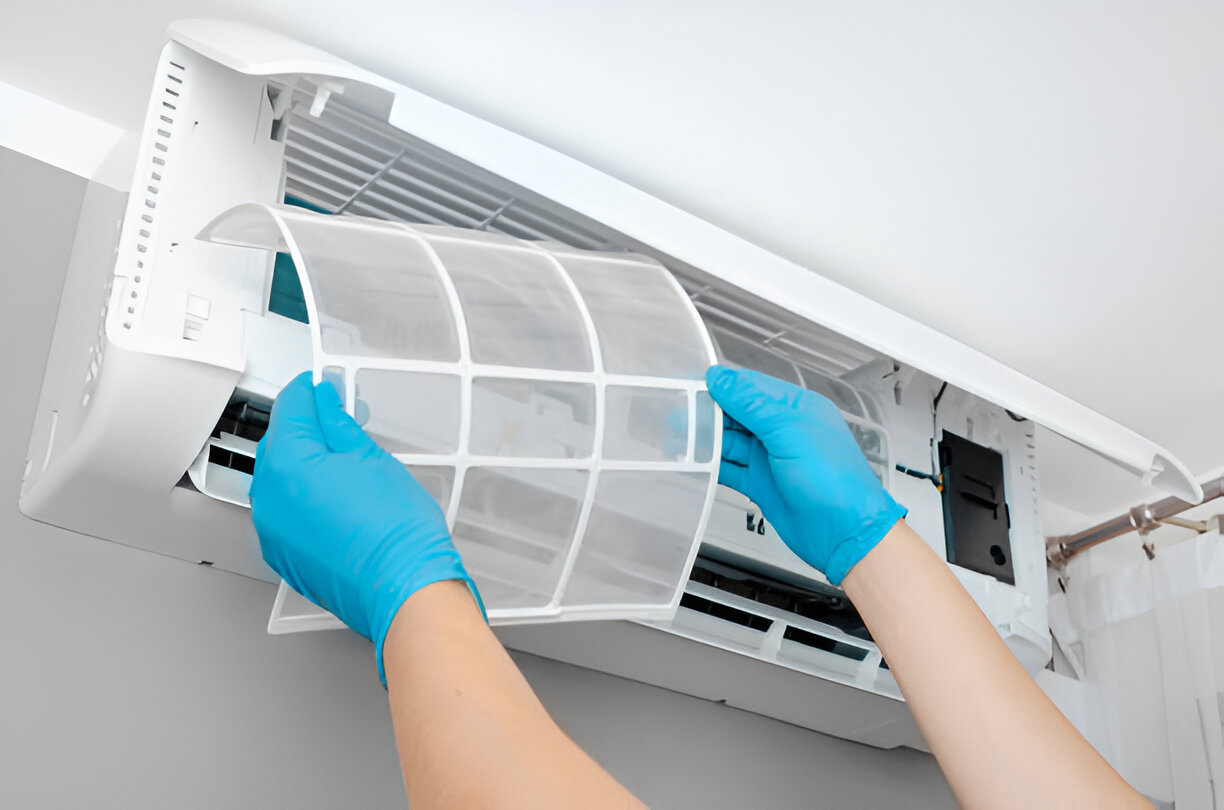
- Quarterly indoor filter checks
- Clean or replace washable and disposable filters regularly to maintain airflow and prevent ice formation on evaporator coils during humid months.
- Seasonal professional tune-ups
- Annual or bi-annual 21-point inspections catch refrigerant leaks, check electrical connections, and verify inverter function before summer demand spikes.
- Coil cleaning
- Clean evaporator and condenser coils at least once per year to remove pollen, dust, and biological growth that reduce heat transfer in humid environments.
- Drain line maintenance
- Flush condensate drains and check p-traps to prevent clogs, water damage, and mold growth.
- Surge protection
- Install whole-home surge protection or dedicated surge protectors for mini-splits to reduce the risk of inverter and control board failures during storms.
- Proper zoning use
- Use the system as designed; avoid extreme setpoints that cause short cycling. Proper setpoint management reduces stress on compressors and improves longevity.
- Inspect for damage after storms
- Check outdoor units for debris, bent fins, or water intrusion after heavy rain or wind events.
- Professional refrigerant checks
- Have a technician check refrigerant pressure and leak-test annually; small leaks are easier and less costly to repair before they cause compressor damage.
Consistent preventive care addresses the climate-specific stressors Oviedo homes experience and lowers the total cost of ownership for mini-split systems.
When repair is the right choice and when to consider replacement
Repairing a mini-split is typically the best course when the system is relatively young, repairs restore efficiency, and the cost of repair is reasonable compared to replacement. Consider replacement when:
- The system is older and has multiple failing major components
- Repair costs approach a significant fraction of a new system
- The system uses obsolete refrigerant or parts that are no longer supported
- Efficiency is poor and operational costs are rising significantly
- Repeated failures indicate underlying systemic issues
A professional evaluation provides a cost-versus-benefit analysis considering remaining useful life, efficiency gains from new high-SEER models, and local Oviedo energy needs.
Why timely mini-split repair matters
Prompt, professional repairs prevent minor issues from cascading into expensive failures. Timely service:
- Restores comfort and indoor air quality quickly in Oviedo’s humid climate
- Preserves energy efficiency and reduces monthly utility costs
- Minimizes risk of mold or water damage from condensate problems
- Protects compressor and electronic components from damage caused by low refrigerant or electrical faults
- Sustains manufacturer warranties when repairs use compliant parts and documented professional service
Van Eddies Heating & Air Conditioning emphasizes accurate diagnostics and durable repairs that prioritize system longevity and homeowner peace of mind.
What to expect from a professional service visit
A typical professional mini-split service visit includes these steps performed by a qualified technician:
- Review of system history and homeowner observations
- Visual inspection of indoor and outdoor units and electrical components
- Diagnostic testing for electrical, refrigerant, airflow, and control issues
- Clear explanation of findings and recommended options, including parts and warranty details
- Repair or replacement of failed components and verification of system performance after the work
Documented service records should be provided after each visit to preserve warranty and help with future maintenance planning.
Maintenance Plan
Heat Pump/ AC Tune-Up

Furnace Tune-Up
Customer Testimonials