



Mini Split Repair in Willis, TX



Mini-split repair in Willis, TX is a specific, time-sensitive service that keeps homes comfortable through hot, humid summers and mild, sometimes chilly winters. Van Eddies Heating & Air Conditioning understands the unique demands ductless systems face in Montgomery County: frequent heavy use during summer months, outdoor condenser stress from humidity and storm exposure, and homeowner expectations for quiet, efficient heating and cooling in smaller or zoned spaces.
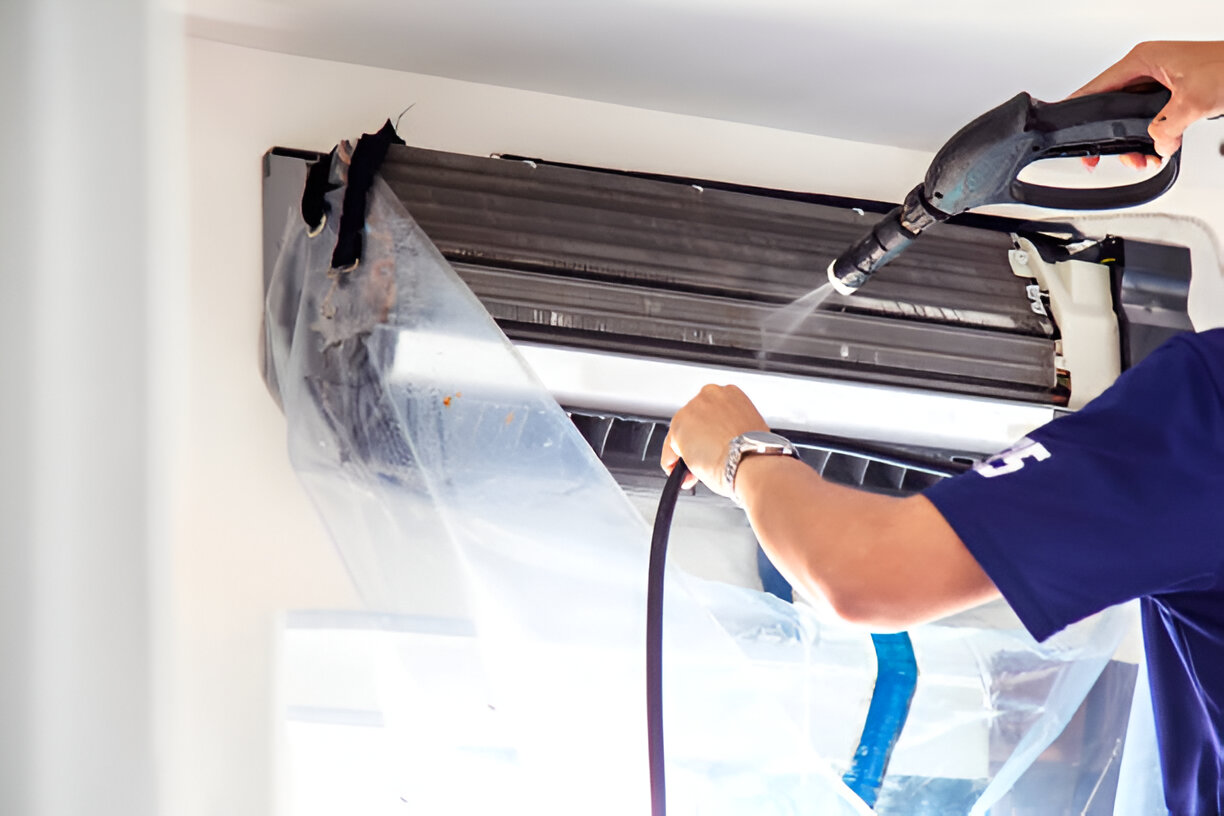
Why mini-split repair matters in Willis, TXMini-splits are valued in Willis homes for efficient zoned comfort, retrofit versatility, and compact installations that avoid ductwork. However, when a mini-split fails it often affects only one zone, which can mask larger system problems until comfort is noticeably impacted. In a community where afternoon temperatures and humidity can spike, even a short downtime can make a living area uncomfortable, increase indoor humidity, and stress occupants with allergies or heat sensitivity. Professional repair ensures issues are properly diagnosed, prevents recurring failures, and protects system longevity and energy efficiency.
Common mini-split problems in Willis, TX homes
Mini-splits share many components with central heat pumps and air conditioners but have unique vulnerabilities because of their compact inverters, refrigerant lines, and remote sensor controls. These are the most common failure modes Van Eddies Heating & Air Conditioning sees in Willis:
- Compressor issues
- Hard-starting or non-starting outdoor compressors
- Unusual noises from the compressor due to bearing wear or internal mechanical damage
- Motor or suction-side failures caused by power surges or prolonged low refrigerant operation
- Refrigerant leaks and pressure imbalances
- Line-set leaks at fittings, brazed joints, or service ports
- Low refrigerant charge causing poor cooling/heating, icing on the evaporator coil, and long run times
- Overcharge issues after improper service or incorrect refrigerant type
- Inverter and electrical faults
- Faulty inverter boards in variable-speed systems causing intermittent operation or fault codes
- Control board failures, loose connections, or capacitor issues
- Tripped breakers due to short circuits or poor electrical supply
- Sensor and thermostat/control problems
- Faulty temperature sensors in the indoor head causing short cycling or inaccurate temperature control
- Remote control or Wi-Fi module failures that prevent user interface
- Communication errors between indoor and outdoor units
- Drainage and condensate issues
- Clogged condensate lines causing water leaks or float-switch shutoffs
- Improperly sloped drain lines after installation or renovation
- Freeze-ups from poor airflow or refrigeration anomalies
- Airflow and heat-exchange problems
- Dirty indoor coil or filter restricting airflow and reducing capacity
- Fan motor failures in indoor or outdoor units
- Blocked outdoor unit due to debris, vegetation, or local storm damage
How we diagnose mini-split problems: what a methodical inspection looks likeA correct repair starts with a thorough diagnostic process. Van Eddies Heating & Air Conditioning follows a structured approach that prioritizes safety, accuracy, and transparency so the actual cause is fixed, not just the symptom.
Initial on-site assessment
- Visual inspection of indoor heads, outdoor condenser, and line-set routing
- Check of obvious signs: oil stains on line-set (possible refrigerant leak), water stains, ice, or burned wiring
- Verification of proper user settings and mode (cool, heat, auto) to rule out operator error
Electrical and control verification
- Test power at the disconnect and breaker panel to ensure proper voltage and grounding
- Inspect control wiring, fuses, contactors, and board connections for corrosion or overheating
- Retrieve and interpret unit fault codes and event logs
Refrigerant and pressure testing
- Use manifold gauges and electronic leak detectors to confirm refrigerant charge and identify leaks
- Measure subcooling and superheat to determine charge accuracy
- Perform vacuum, nitrogen pressure testing, or dye tests if a leak is suspected
Compressor and motor evaluation
- Test starting current, run amps, and motor windings for continuity and insulation
- Listen for abnormal mechanical sounds and measure vibration
- Evaluate compressor protection devices and starting capacitors
Airflow and coil checks
- Measure temperature split across the coil and static pressure in the return and supply
- Check filter condition and airflow obstruction
- Inspect and clean coils if dirty to see if performance returns
Drainage and condensate inspection
- Clear and pressure-test condensate lines
- Verify drain pan condition and float-switch operation
- Confirm correct slope and routing to prevent reoccurrence of drain backups
Diagnostics are reported in plain language so homeowners in Willis understand the issue, the root cause, and the repair options. Visual evidence (photos) and unit fault codes are recorded to document findings.
Common homeowner troubleshooting steps you can safely tryBefore calling a technician, there are a few safe checks any homeowner in Willis can perform. These steps can resolve simple issues and help speed the professional diagnosis.
- Confirm the indoor unit is powered on and set to the correct mode and temperature.
- Replace or clean washable filters; a clogged filter can drop capacity quickly.
- Check the outdoor unit for obvious debris, nests, or blocking vegetation.
- Verify the outdoor disconnect switch and breaker are on and not tripped.
- Remove visible ice only after turning the system off; do not force ice removal.
- Reset the system by turning off power at the breaker for a few minutes, then restore power and observe any error codes.
If basic checks do not restore normal operation, or if you see oil on the line-set or hear abnormal compressor noises, professional service is required.
Repair types and solutions offeredMini-split repairs often range from simple component replacements to complex refrigerant recovery and electronics replacement. Typical repair categories include:
- Refrigerant leak repair and recharge
- Locate and repair leak points using brazing or replacement of damaged line segments
- Evacuate, leak test, and recharge with the correct refrigerant and oil per manufacturer specs
- Test system under load to confirm no further leaks and correct pressures
- Compressor and outdoor unit repairs
- Replace failed compressors when warranted and reconfigure system oil and refrigerant
- Replace or repair capacitors, contactors, and crankcase heaters
- Evaluate whether replacement of the outdoor assembly is more cost-effective than compressor swap
- Inverter board and control module replacement
- Replace failed inverter or main PC boards, ensuring firmware compatibility
- Reprogram and test communications between indoor and outdoor units
- Address common causes such as lightning or surge damage when present
- Indoor head and electrical repairs
- Replace fan motors, control boards, or fan assemblies
- Repair or replace defective temperature sensors and remotes
- Repair damaged drain pans, condensate pumps, or clogged drains
- Drainage and condensate fixes
- Clear and re-route drain lines to ensure proper flow
- Replace damaged condensate pumps and verify float-switch operation
- Treat drain pan and lines to remove microbial buildup where necessary
- Preventive repairs and maintenance adjustments
- Clean coils and fans, calibrate thermostats, and tighten electrical connections
- Verify refrigerant charge and airflow to restore capacity and efficiency
- Recommend replacement when multiple major components are failing or system is obsolete
Emergency and same-day repair options in Willis, TXMany mini-split failures occur at peak usage and require prompt attention. Van Eddies Heating & Air Conditioning recognizes the urgency in Willis homes, where a failing system can immediately affect comfort and indoor air quality. Emergency response includes:
- Rapid diagnosis and triage to determine if a temporary fix can restore comfort immediately
- Same-day on-site repairs for common, low-complexity issues such as capacitor or fan motor replacements, control board swaps, and condensate pump fixes
- Priority scheduling and parts sourcing strategies for critical component failures
- Safe temporary measures like supplemental cooling recommendations when full repairs require longer lead times
Availability for same-day work depends on part availability and the complexity of the failure. Technicians carry a range of common replacement parts for the most frequent failures to minimize downtime in Willis households.
Parts replacement, compatibilities, and OEM considerationsMini-splits use specific manufacturer components; incorrect parts can cause reoccurring problems or void warranties.
Proper replacement practices include:
- Using OEM or manufacturer-approved parts where required to maintain warranty and ensure compatibility
- Verifying inverter firmware versions and matching PCB replacements precisely for variable-speed models
- Replacing line-sets, service valves, and fittings with properly brazed connections and correct oils when refrigerant circuits are opened
- Labeling and documenting replaced parts and serial numbers for homeowner records and warranty claims
Technicians will explain when a generic or aftermarket part is acceptable versus when OEM parts are necessary for longevity and warranty preservation.
Warranty handling and paperwork you should expectNavigating manufacturer warranties and extended coverage can be confusing.
A professional repair provider helps manage the administrative steps that protect your rights and avoid denial of coverage.
- Verify active manufacturer warranty status by checking unit serial numbers and manufacturing dates
- Document diagnostic findings with photos, fault codes, and technician notes to support claims
- Prepare and submit warranty claim forms on behalf of the homeowner when coverage applies
- Coordinate with part suppliers and manufacturer representatives for authorized replacements
- Maintain clear records of replaced parts, labor notes, and service dates for extended warranty audits
When warranty coverage does not apply, technicians will present transparent repair options and explain the risks of deferred action.
Expected service timelines and what influences repair durationRepair timelines vary with the nature of the failure, parts availability, and site access. Typical service timelines you can expect in Willis include:
- Simple repairs (filters, drains, capacitors, fan motors): often completed during a same-day visit, typically in a few hours.
- Electronic control or sensor replacements: usually same-day to next-day depending on parts in stock.
- Refrigerant leak tracing and repair: may require a multi-step approach including pressure testing, brazing, evacuation, and charging. This can span one to two visits depending on leak location and parts needed.
- Compressor replacements: often require ordering specific compressor models and scheduling a return visit. Compressor swaps need time for evacuation, installation, and proper charging and testing.
- Full outdoor unit replacement or system rebuilds: these are more involved projects that require careful site preparation and may take several days from parts ordering to final commissioning.
Factors that affect timelines
- Part availability and lead times for specific OEM components
- Complexity of leak location and accessibility of line-sets
- Need for permits or HOA approvals in certain Willis neighborhoods for outdoor work
- Weather and seasonal demand, which can increase scheduling times during peak summer months
Transparent estimates include not just repair time but the testing and monitoring time needed to confirm the repair succeeded.
How long repairs hold and when replacement is recommendedA repair restores operation, but the broader picture of system health matters. Consider replacement if you see:
- Repeated failures of major components within a short period
- Frequent refrigerant leaks with no clear long-term fix
- Major inverter failures in older systems with limited parts support
- Diminished capacity and efficiency despite recent repairs, especially in high-use Willis climates
Technicians will discuss the expected lifespan benefit from repair versus replacement, energy-efficiency implications, and long-term cost considerations. Van Eddies Heating & Air Conditioning frames recommendations around reliability and total ownership cost, not just immediate expense.
Common causes of repeat failures and how to prevent themRepeat failures are often due to environmental stress, improper installation, or deferred maintenance. Preventive measures include:
- Regular maintenance plans that include coil cleaning, refrigerant checks, and electrical inspections
- Proper surge protection for electronics in areas prone to storms and lightning
- Ensuring outdoor units are elevated, shaded where appropriate, and free from vegetation
- Addressing small refrigerant leaks immediately to prevent compressor damage
- Verifying proper sizing and installation to prevent short-cycling and undue wear
A maintenance-focused approach reduces emergency calls and extends system life, especially in humid, high-use Willis summers.
What homeowners should expect during a repair visitProfessional service visits are designed to be efficient and informative. Expect the following during a typical visit:
- A clear explanation of observed problems and the diagnostic steps to be performed
- Safety checks first, including electrical isolation if necessary
- Photographs or documentation of visible damage and fault codes
- A plain-language explanation of repair options, parts needed, and projected timelines
- A post-repair test period where the system is observed for stable pressures, correct temperature splits, and absence of leaks or fault codes
Technicians should leave the site clean and provide documentation of the work performed and parts replaced.
Energy and performance considerations after repairA properly executed repair restores not only comfort but efficiency. After repairs, homeowners can expect:
- Improved temperature consistency and shorter run cycles when the refrigerant charge and airflow are correct
- Lower energy use compared to systems struggling with low refrigerant or dirty coils
- Reduced humidity in cooling mode when the evaporator and airflow are working as designed
- Fewer nuisance fault codes and less risk of sudden shutdowns
Technicians will often recommend follow-up checks after a repair to confirm long-term stability and peak performance.
Maintenance & long-term care for mini-splits in Willis, TXRoutine care prevents many common mini-split failures. In Willis, where systems run hard in summer, a seasonal tune-up is recommended. Typical maintenance tasks include:
- Cleaning indoor coil and filters and replacing disposable filters as needed
- Inspecting and cleaning outdoor coil fins, addressing bent fins
- Verifying refrigerant pressures and adjusting charge if necessary
- Tightening electrical connections and testing capacitors and contactors
- Checking and flushing condensate lines and pumps
- Testing control sensors and communication links between indoor and outdoor units
Regular maintenance reduces wear and extends the useful life of your system, helping ensure reliable comfort through the hottest months in Willis.
Maintenance Plan
Heat Pump/ AC Tune-Up

Furnace Tune-Up
Customer Testimonials