



Mini Split Replacement



When your mini split system stops working efficiently - or stops working altogether - it's more than just an inconvenience. A failing ductless system means losing the precise comfort control you've come to rely on, dealing with inconsistent temperatures, and watching your energy bills climb. At Van Eddies Heating & Air Conditioning, we've been helping homeowners and businesses solve this problem since 1999, and we know exactly how to guide you through a mini split replacement that restores your comfort while maximizing your long-term savings.
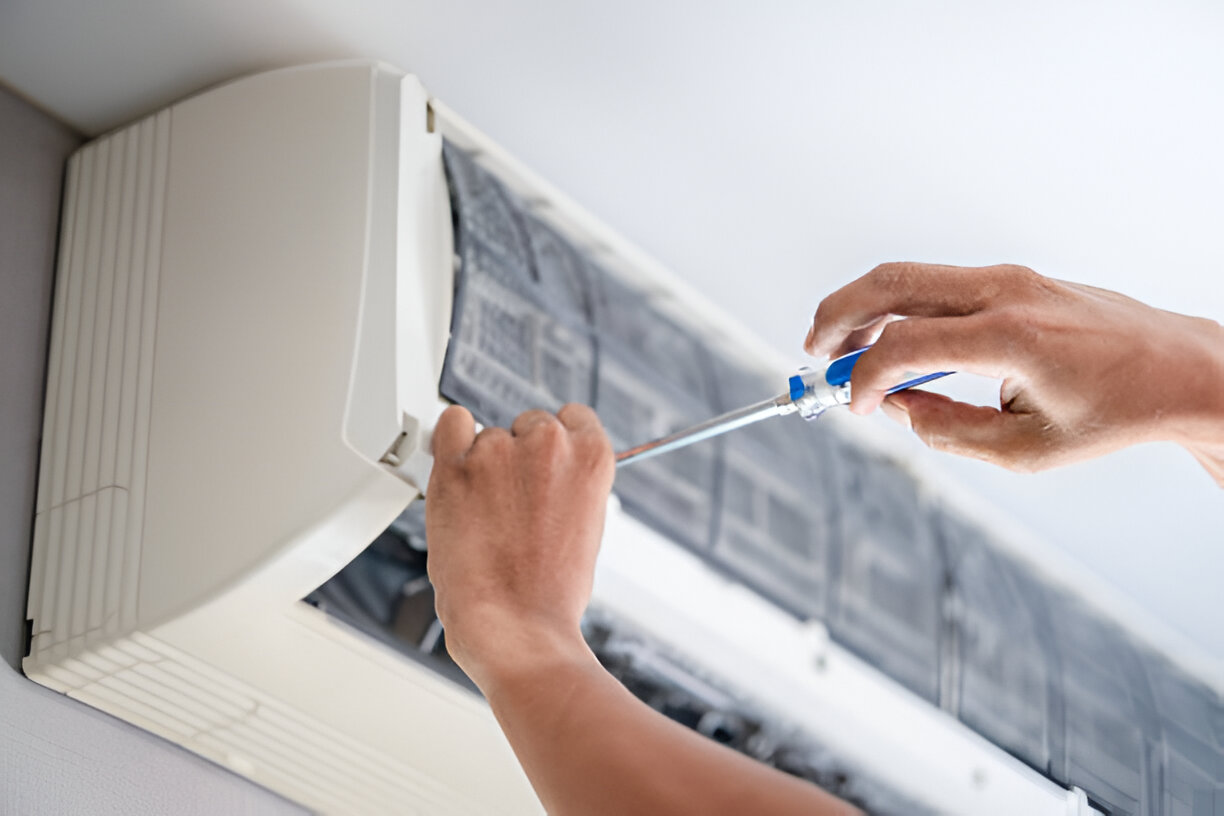
Mini Split Replacement: Energy-Efficient Cooling and Heating Solutions
When your mini split system stops working efficiently - or stops working altogether - it's more than just an inconvenience. A failing ductless system means losing the precise comfort control you've come to rely on, dealing with inconsistent temperatures, and watching your energy bills climb. At Van Eddies Heating & Air Conditioning, we've been helping homeowners and businesses solve this problem since 1999, and we know exactly how to guide you through a mini split replacement that restores your comfort while maximizing your long-term savings.
Mini split systems are incredible investments in home comfort and energy efficiency. But like all HVAC equipment, they eventually reach the end of their service life. Whether your current system is aging, frequently breaking down, or simply not keeping up with your needs anymore, replacement might be the most practical solution. The good news? Today's energy-efficient inverter models perform far better than older systems, and the replacement process doesn't have to be complicated or stressful.
Why Mini Split Replacement Might Be Right for You
There are several clear signs that your mini split system needs to be replaced rather than repaired. Understanding these indicators helps you make the right decision for your home or business.
Your system is over 15 years old. Most mini split systems are designed to last 15-20 years with proper maintenance. If your unit is approaching or exceeding this age, replacement becomes more economical than continued repairs. Older models are also significantly less efficient than modern inverter technology, meaning you're paying more to run them every single month.
Repair costs are becoming frequent and expensive. When you're calling for service multiple times per year, or when a single repair estimate approaches 50% of a replacement cost, it's time to think strategically. We've seen countless customers spend thousands on repairs for aging systems, only to have something else fail weeks later. At a certain point, replacement makes financial sense.
Your energy bills are climbing despite consistent usage. Aging mini split systems lose efficiency over time. Refrigerant may be leaking, compressors work harder to maintain temperature, and internal components wear out. If your cooling or heating costs have increased noticeably, a new high-efficiency system will pay for itself through energy savings.
The system can't keep up with your home's needs. Maybe your home has expanded, your family has grown, or your comfort expectations have changed. Modern mini split systems offer better capacity options and zoning capabilities, allowing you to cool or heat specific areas of your home independently.
You want to upgrade to inverter technology. If your current system uses older compressor technology, upgrading to an inverter model is like moving from an old car that revs constantly to one with intelligent transmission control. Inverter systems adjust their output continuously based on demand, using less energy and maintaining more consistent temperatures.
Understanding Mini Split System Evaluation and Sizing
Before we recommend replacement, we perform a thorough evaluation of your current system and your home's actual comfort needs. This isn't about pushing you toward the most expensive option - it's about getting the sizing right so you're not overpaying for capacity you don't need or undersizing and ending up uncomfortable.
Load calculation is the technical foundation of proper sizing. We assess your home's square footage, insulation quality, window placement and type, sun exposure, local climate conditions, and how you actually use your space. A home in Florida with large south-facing windows has completely different cooling demands than the same square footage in Texas with better shade coverage. We account for these real-world variables.
Your usage patterns matter. Do you primarily cool or heat? Are there rooms you'd like to condition differently - perhaps keeping a bedroom cool at night while your living room runs warmer during the day? Modern ductless systems allow zone control that many people don't realize they can have. Understanding how you want to use your space helps us recommend the right number of indoor units and capacity levels.
Existing equipment assessment tells us whether components like outdoor units, refrigerant lines, or electrical systems can be reused or need replacement. Sometimes a partial upgrade is possible. Other times, starting fresh with all new components ensures reliability and warranty coverage.
The result of this evaluation is a clear recommendation with realistic capacity sizing - not oversized systems that short-cycle and waste energy, and not undersized systems that struggle to maintain comfort on peak demand days.
Choosing Energy-Efficient Inverter Models
One of the biggest advances in HVAC technology over the past decade has been inverter compressor technology. At Van Eddies, we specialize in inverter systems because we believe they represent the best value for homeowners and businesses serious about comfort and efficiency.
How inverter technology works: Traditional compressors run at full capacity or shut off completely - like an on-off switch. Inverter compressors adjust their speed continuously to match current demand, similar to how a car's transmission adapts to driving conditions. This means the system uses only the energy it needs, when it needs it.
Energy savings with inverter systems typically range from 20-40% compared to older, non-inverter models. That's not marketing hype - that's real money back in your pocket every month through lower electricity bills. Over 15-20 years, those savings add up to thousands of dollars.
Consistent comfort is another key benefit. Because the compressor adjusts speed rather than cycling on and off, your home maintains more stable temperatures. You won't experience the temperature swings that come with traditional systems. The comfort difference is noticeable and appreciated, especially during peak seasons.
Quieter operation is a pleasant side effect many people don't expect. Variable-speed compressors running at lower speeds are inherently quieter than full-capacity traditional compressors. Your system runs more quietly, particularly during mild weather when it doesn't need to work hard.
Inverter models we recommend come from manufacturers we've trusted for years. We're a preferred supplier of Goodman equipment, which means we have strong relationships with the manufacturer, access to their latest models, and confidence in their reliability. Goodman's inverter mini split systems offer excellent efficiency ratings, comprehensive warranties, and performance that our customers consistently praise.
When you're selecting your new system, we help you understand SEER2 ratings - the seasonal energy efficiency ratio that indicates how efficiently the system converts electricity into cooling and heating. Higher SEER2 ratings mean better efficiency. We can even use our online SEER calculator to help you project potential energy savings with different efficiency levels, so you can make an informed decision about which model makes sense for your budget and long-term comfort goals.
The Mini Split Replacement Process
Understanding what to expect during replacement gives you confidence in the project and helps you prepare your home. The process typically takes 1-2 days, depending on your system's complexity and whether new electrical work is required.
Day one: Removal and site preparation. We carefully remove your existing indoor and outdoor units, safely drain any remaining refrigerant, and disconnect electrical components. We handle proper disposal of your old equipment according to EPA regulations - refrigerant must never be vented into the atmosphere. Your home might be temporarily without cooling or heating during this phase, so we schedule replacement projects strategically, usually early morning to minimize discomfort.
Preparing for new equipment installation involves inspecting and potentially upgrading electrical infrastructure. Mini split systems require dedicated electrical circuits sized appropriately for the equipment. If your home's electrical panel needs updates or if new circuits are needed, our licensed electricians handle this work. This isn't something to skip or cut corners on - proper electrical installation ensures your system operates safely and reliably.
Refrigerant line routing requires precision. We run copper tubing from your outdoor condenser unit to each indoor unit, carefully routing lines through walls, along baseboards, or through attics depending on your home's layout and your aesthetic preferences. The line set must be insulated, sealed, and installed to code. Poor line installation is a common source of future problems, so this step deserves careful attention.
Indoor unit installation involves securely mounting wall units, ceiling units, or floor units depending on which types you've selected. Units must be level and properly supported. Condensate drain lines must slope correctly so water drains away from your home. Electrical connections must be secure and properly protected.
Day two: System testing and startup. We evacuate the refrigerant lines to remove moisture and air, then charge the system with the correct amount of refrigerant. This process requires specialized equipment and certification - it's not something homeowners should attempt. We run the system through comprehensive testing in both cooling and heating modes, calibrate thermostat settings, and walk you through operation of your new system.
Throughout the replacement process, we maintain cleanliness and minimize disruption to your home. Our crews arrive prepared with drop cloths, properly dispose of old equipment, and clean up thoroughly when the job is complete.
Permit and Code Compliance
Mini split replacement involves electrical work and refrigerant handling, both of which fall under building codes and regulations. At Van Eddies, we handle all permitting and code compliance for you - it's part of doing the job right.
Building permits may be required depending on your local jurisdiction. We know the requirements in our service areas and obtain permits when needed. Permitted work includes inspections by local authorities, which actually protects you. Inspections ensure the installation meets current code standards and won't create safety issues down the road.
Electrical code compliance is critical. Mini split systems require properly sized circuits, appropriate disconnects, and correct wire gauges. We install systems to meet the National Electrical Code and all local amendments. This isn't just about passing inspection - it's about ensuring your system operates safely without fire risk or electrical failure.
EPA refrigerant certification is required for anyone handling refrigerants. Our technicians carry EPA Section 608 certification, required by federal law. Refrigerant handling, recovery, and disposal must follow strict environmental regulations. We properly recover refrigerant from your old system rather than venting it, protecting the environment and complying with federal Clean Air Act requirements.
Manufacturer warranty requirements sometimes include installation standards. To maintain your new system's warranty coverage, installation must meet manufacturer specifications. We're familiar with these requirements and ensure every installation qualifies for full warranty protection.
Taking care of permitting and compliance might seem like extra work, but it protects your home, ensures safety, and maintains your warranty coverage. We handle these details so you don't have to worry about whether your replacement was done to code.
Expected Timeline and Project Costs
A typical mini split replacement takes 1-2 days of active work, plus a few days for permitting if required. Here's what the timeline looks like:
Pre-project: You'll schedule a system evaluation with us, where we assess your current setup and discuss your comfort needs and budget. This evaluation typically takes 45 minutes to an hour. We'll provide a detailed recommendation and pricing estimate. For mini split replacement, we offer transparent upfront pricing rather than surprise add-ons later.
Permitting phase: If permits are required in your area, we obtain them immediately. Permit turnaround typically takes 3-5 business days, though this varies by jurisdiction. We schedule your installation once permits are approved.
Installation day: Work typically begins early morning and continues through the afternoon. In most cases, installation completes in one full day. More complex projects with new electrical work or challenging line routing might extend into a second day. We'll communicate throughout the project and let you know if anything unexpected comes up that affects the timeline.
Startup and testing: System testing, refrigerant charging, and your operational walkthrough usually take 2-3 hours. We don't rush this final stage - we want you completely comfortable with how your new system works before we leave.
The investment in mini split replacement varies based on system type, capacity, number of indoor units, and complexity of installation. Several factors influence final costs:
- Equipment cost depends on the efficiency level you choose and the capacity required for your home
- Indoor unit type affects both equipment and installation costs - wall-mounted units are typically most economical, while ceiling-recessed units or floor units may have higher installation costs
- Number of zones - systems with multiple indoor units covering different areas cost more than single-zone systems
- Electrical upgrades needed to support the new system
- Permit and inspection fees vary by location
- Removal and disposal of your old equipment
We provide itemized estimates that break down exactly what you're paying for, so there are no surprises. We also offer financing options for mini split replacement through specialized HVAC financing programs, making high-efficiency systems more accessible.
Manufacturer Warranties and Protection
New mini split systems come with comprehensive manufacturer warranties that protect your investment. Understanding what's covered helps you feel confident in your replacement decision.
Compressor warranty typically covers 5-10 years depending on the manufacturer and model. The compressor is the heart of your system, and manufacturer coverage on this expensive component is valuable protection.
Parts warranty usually covers 5-10 years on other components like circuit boards, fan motors, and switches. Quality manufacturers stand behind their products because they're confident in their reliability.
Extended warranty options are often available at the time of purchase. Adding extended coverage bumps protection to 10-15 years on various components. Whether extended warranties make sense depends on how long you plan to stay in your home and your comfort level with repair costs down the road.
Labor warranty on installation is separate from manufacturer coverage. We stand behind our work with warranty on installation labor, ensuring that if something we installed incorrectly fails during the warranty period, we make it right.
Maintenance requirements to keep your warranty valid are minimal but important. Annual maintenance - like our affordable 21-point tune-ups - helps keep your system in peak condition and documents that you're maintaining the equipment properly. This documentation supports warranty claims if issues arise.
Manufacturer warranties represent significant protection on a substantial investment. We make sure you understand what's covered and how to maintain your system to keep warranty coverage active.
Energy Savings and Long-Term Value
The real payoff from mini split replacement comes through consistent energy savings over years and decades. Modern inverter systems are dramatically more efficient than older equipment, and these efficiency gains translate directly to lower utility bills.
SEER2 ratings indicate seasonal cooling efficiency. A 25-year-old mini split might have had a SEER rating equivalent to around 8-10 SEER2. Modern inverter systems routinely achieve 20+ SEER2 ratings. That's a 100%+ improvement in efficiency - meaning a new system uses half the energy to provide the same cooling.
Heating efficiency in mini split heat pumps also improves dramatically with newer inverter technology. Cold-climate mini splits with inverter compressors maintain heating performance in temperatures where older systems struggled. You get better heating with less energy consumption.
Real-world energy bill reductions from mini split replacement typically range from 20-40% on cooling and heating costs, depending on how much of your home the mini split conditions and how efficiently you use it. A home using a mini split as the primary heating and cooling system might see $50-150+ monthly savings, depending on your climate, usage, and local energy rates.
Payback period for mini split replacement usually falls in the 8-12 year range when you factor in energy savings. Since most mini split systems last 15-20 years, you're getting 5-10 years of pure savings after the system pays for itself through reduced energy costs. That's on top of the comfort improvement and reliability that comes with new equipment.
Future-proofing your home is another consideration. Inverter technology and high-efficiency mini splits align with the direction the HVAC industry is moving. Building codes are becoming stricter about efficiency requirements. Upgrading now means your home meets current standards and will be more attractive to future buyers if you ever sell.
At Van Eddies Heating & Air Conditioning, we've been setting the standard since 1999, and we've helped thousands of homeowners and businesses experience the comfort and savings that modern mini split systems deliver. When you're ready to replace an aging or failing system, we're here to make the process straightforward and transparent - with honest assessments, clear pricing, and expert installation that ensures your new system performs exactly as designed.
Every problem has a solution, and we know how to find it. A mini split replacement isn't just about fixing what's broken - it's about investing in comfort, efficiency, and peace of mind for years to come.
Maintenance Plan
Heat Pump/ AC Tune-Up

Furnace Tune-Up
Customer Testimonials