


Mini Split Service in Seminole County, FL



Van Eddies Heating & Air Conditioning provides comprehensive mini split service in Seminole County, FL, focused on keeping ductless systems efficient, reliable, and healthy for your home or small business. Mini split systems are a popular choice in Seminole County because they deliver zone control, quiet operation, and strong cooling performance during long, humid summers. However, coastal plain humidity, frequent storms, high pollen counts, and year-round use make ongoing service essential to prevent inefficiency, indoor air quality problems, and premature equipment failure.
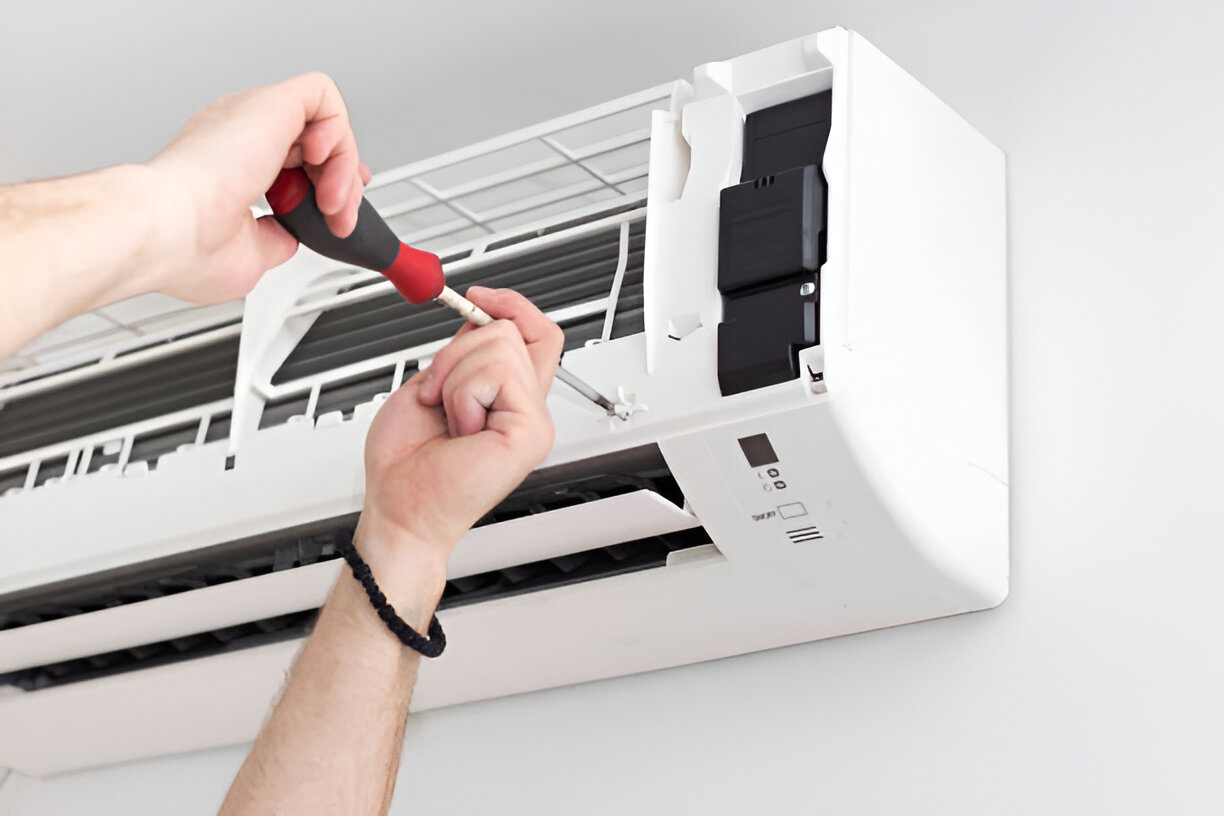
Why mini-split service matters in Seminole County, FL
Seminole County homes face a humid subtropical climate with hot summers, humid springs and falls, and occasional cold snaps. Mini-splits in this region run hard for long stretches. Without regular maintenance:
- Copper, fittings, and outdoor coils can corrode faster because of moisture and airborne particulates.
- Condensate drain lines and pans are prone to clogging and microbial growth from persistent humidity.
- Filters and indoor coils collect pollen and dust from the landscape and local tree cover, reducing airflow and efficiency.
- Frequent power surges during storms can stress electrical components and control boards.
Regular professional service reduces the risk of sudden breakdowns during peak cooling demand months and helps your mini-split maintain rated efficiency and comfort levels over its lifespan.
Common mini-split issues in Seminole County homes
Understanding frequent problems helps you spot early warning signs and prioritize maintenance:
- Reduced airflow and uneven room temperatures due to dirty filters and blocked indoor coils.
- Refrigerant leaks or incorrect charge caused by vibration, UV exposure to line-set insulation, or minor mechanical damage.
- Clogged condensate lines and standing water in drip pans encouraging mold and mildew, which lowers indoor air quality.
- Corroded outdoor coils and electrical connections accelerated by humidity and airborne salts or pollutants.
- Faulty sensors, remote control or communication errors in multi-zone systems causing erratic operation.
- Inverter compressor faults or degraded performance from sustained high-load operation and inadequate preventive care.
- Ice buildup on indoor evaporator coils during low-load heating cycles or when refrigerant levels are off.
Addressing these issues through scheduled service keeps performance consistent, reduces energy bills, and protects indoor air quality.
Types of mini-split service offered
Van Eddies Heating & Air Conditioning structures mini-split support around ongoing preventive work, diagnostics, and IAQ improvements to meet Seminole County needs:
- Routine maintenance and tune-ups
- Filter inspection and replacement or cleaning
- Indoor and outdoor coil cleaning
- Condensate drain cleaning and sanitizing
- Electrical component inspection and tightening
- Fan motor lubrication and airflow checks
- Refrigerant pressure and temperature checks
- Refrigerant leak detection and repair
- Electrical diagnostics and control board repair
- Inverter compressor health checks and firmware review
- Line-set and insulation inspection, repair, and replacement
- Seasonal performance optimization for hot summer and humid shoulder seasons
- Preventive care plans and service agreements with priority scheduling
- IAQ-related add-ons such as UV coil purifiers, high-efficiency filters, whole-home dehumidification options, and enhanced ventilation integrations
- Emergency repairs for storm damage, power surge incidents, and sudden performance failures
What a typical mini-split service visit includes
A professional visit follows a thorough checklist tailored to ductless systems. Typical service steps are:
System history and visible inspection
- Confirm system model, age, and previous service notes.
- Visual check of indoor and outdoor units for obvious damage, corrosion, or pest entry.
Power and control verification
- Inspect electrical connections, fuses, breakers, and control wiring for signs of overheating or looseness.
- Verify communication between indoor and outdoor units, remote control functions, and thermostat settings.
Filter and indoor coil service
- Remove and inspect filters; clean or replace as recommended by manufacturer.
- Clean indoor evaporator coils and check for microbial growth; sanitize drain pans if needed.
- Check fan blade condition and indoor blower motor operation.
Outdoor unit and refrigerant system checks
- Clean outdoor coil and clear debris around the unit.
- Inspect line-set insulation, flare fittings, and outdoor electrical components for corrosion or damage.
- Measure refrigerant pressures and temperatures using industry-standard gauges; evaluate superheat and subcooling to confirm correct charge.
Condensate and drainage
- Clear condensate drain lines and check for proper slope and discharge.
- Test float switches and safety shutoffs to prevent overflow and water damage.
Airflow and performance measurements
- Measure airflow, delta T (temperature split), system run times, and cycling behavior.
- Verify that each zone is achieving targeted temperature control when applicable.
Safety and efficiency evaluation
- Inspect unit for potential safety hazards such as exposed wiring or refrigerant odors.
- Provide a summary of efficiency issues and suggested improvements to restore or enhance performance.
Technicians document findings and recommend actionable maintenance or repairs. For multi-zone systems, each indoor head receives individual attention to ensure balanced comfort across rooms.
Preventive care plans and service agreements
For Seminole County homeowners who rely on mini-splits for primary cooling, a structured maintenance plan delivers predictable upkeep and prioritized service. Typical elements of a preventive care plan include:
- Scheduled visits: one to two tune-ups annually. In Seminole County, biannual checks are recommended because of heavy summer use and high humidity.
- Priority scheduling: faster response windows for covered customers during peak season and after storms.
- Discounted diagnostic rates or parts pricing: predictable pricing advantages for routine repairs under plan terms.
- Detailed service records: year-over-year documentation helps track refrigerant use, electrical repairs, and component wear, which supports warranty compliance and replacement planning.
- Seasonal optimization: adjustments made before summer and fall to prepare for sustained cooling loads and fluctuating humidity.
- IAQ add-on packages: optional upgrades like UV coil sterilization, upgraded filtration, or humidity control added to the plan for consistent indoor air quality.
Service agreements help prevent deferred maintenance, which is a common cause of expensive compressor failures or early system replacement.
Seasonal performance optimization for Florida weather
In Seminole County, seasonal optimization focuses on the cooling season and high humidity periods:
- Pre-summer tune-up: ensure refrigerant charge, clean coils, and verify defrost and inverter functions to avoid mid-summer failures.
- Mid-summer check: inspect condensate drains and filters to prevent clogging during the heaviest use months.
- Post-storm inspection: verify electrical integrity, check for outdoor unit damage, and test controls after tropical storms or power outages.
- Fall humidity control: evaluate need for dehumidification additions or adjustments to fan operation to reduce indoor mold and dampness.
These optimizations not only preserve comfort but also reduce energy waste when systems are under the highest load.
Indoor air quality add-ons and integrations
Mini-splits are efficient but do not filter ventilation air like ducted systems. Van Eddies Heating & Air Conditioning recommends IAQ add-ons tailored to Seminole County:
- UV coil purifiers: treat the evaporator coil and drain pan to reduce mold and bacterial growth produced by high humidity.
- High-efficiency washable or disposable filters: capture pollen, dust, and pet dander common in Seminole County neighborhoods.
- Dedicated dehumidification options: whole-home dehumidifiers or smart controls to manage indoor relative humidity and reduce microbial growth.
- Supplemental ventilation: balanced ventilation systems or ERV solutions for homes that rely heavily on sealed windows and doors to maintain conditioned air.
- Portable HEPA air cleaners: for targeted rooms with allergy sufferers or high pollutant loads.
Pairing these IAQ improvements with regular mini-split service maintains clean coils and healthy indoor air while protecting system efficiency.
Benefits of regular mini-split servicing
Routine professional service for ductless systems translates into tangible benefits:
- Improved efficiency and lower energy costs: clean coils, correct refrigerant charge, and unobstructed airflow keep the system operating near rated SEER performance.
- Extended equipment life: preventive maintenance reduces wear on compressor and motors that are expensive to replace.
- Fewer emergency repairs: early detection of refrigerant leaks, electrical faults, or worn components avoids sudden failures in extreme heat.
- Better indoor air quality: cleaning coils, drains, and filters reduces mold, dust, and allergen recirculation.
- Consistent comfort and zoned control: properly balanced systems deliver even temperatures across zones, minimizing hot or cold spots.
- Warranty protection: many manufacturers require documented annual service to maintain warranty coverage.
- Predictable operating costs: service agreements help budget for maintenance and reduce the likelihood of large unexpected bills.
In Seminole County, the combination of frequent cooling demand and high humidity makes these benefits especially valuable.
Troubleshooting tips and when to call a professional
Some basic checks you can safely perform help determine if service is needed:
- Check filters monthly and clean or replace when dirty.
- Ensure outdoor units have at least two feet of clearance and remove debris or vegetation.
- Listen for unusual sounds such as grinding, loud rattles, or high-pitched noises that indicate mechanical issues.
- If airflow is weak, check the indoor head for obstructions or a full filter.
- If you smell refrigerant or see frost on lines, switch off the system and call a technician.
Call a professional if you observe persistent issues such as electrical tripping, refrigerant odors, ice buildup that does not clear, or wide temperature swings between zones. These signs indicate conditions that require qualified diagnostic equipment and refrigerant handling certification.
Repair and replacement considerations
When a mini-split shows signs of major failure, technicians evaluate repair versus replacement based on age, efficiency loss, and cost:
- Older systems with repeated compressor or inverter failures may be better replaced with modern, high-efficiency units that offer improved SEER and inverter performance.
- If refrigerant leaks are present, a thorough leak search and repair is necessary before recharging. Repeated leak repairs on aged components can justify replacement.
- Electrical control board failures after storm events or power surges should be evaluated for surge protection upgrades to protect new components.
- Upgrading to multi-zone or inverter improvements can yield better zone control and lower operating costs in high-use homes.
A clear diagnostic report from a service visit helps homeowners weigh the long-term benefits of investing in repairs versus a new system.
How Van Eddies Heating & Air Conditioning approaches service in Seminole County
Van Eddies Heating & Air Conditioning brings experience servicing ductless systems in local Seminole County neighborhoods. Our technicians consider regional challenges such as humidity-driven microbial growth, storm-related stress, and high pollen when creating a maintenance plan. Each visit is documented and oriented toward preserving efficiency, protecting indoor air quality, and minimizing unexpected downtime during the hottest months.
Technicians use industry-standard diagnostic methods for refrigerant charging and electrical checks, and they recommend IAQ improvements where appropriate. For customers who enroll in preventive care plans, priority scheduling and consistent tune-ups ensure systems receive attention before peak season demand.
Maintenance checklist homeowners should expect
During every professional tune-up, these items are typically inspected and serviced:
- Filter cleaning or replacement
- Indoor evaporator coil inspection and cleaning
- Condensate drain clearing and sanitization
- Outdoor coil cleaning and debris removal
- Electrical terminal inspection and tightening
- Compressor and inverter health evaluation
- Refrigerant pressure and system performance verification
- Airflow and delta T measurements for each indoor head
- Line-set insulation condition and protective measures
- Control and thermostat communication verification
- Safety device testing and documentation of findings
Routine documentation helps track recurring issues and supports longer equipment life.
Maintenance Plan
Heat Pump/ AC Tune-Up

Furnace Tune-Up
Customer Testimonials