



Gas Line Installation



When you're adding a new appliance to your home or business - whether it's a water heater, gas range, or heating system - you need reliable gas line installation that's done right the first time. At Van Eddies Heating & Air Conditioning, we've been setting the standard for quality gas line work since 1999. A poorly installed gas line can lead to safety hazards, inefficient appliance performance, and costly repairs down the road. That's why we approach every gas line installation with the same attention to detail and professional expertise that has made us a trusted name throughout the region for over two decades.
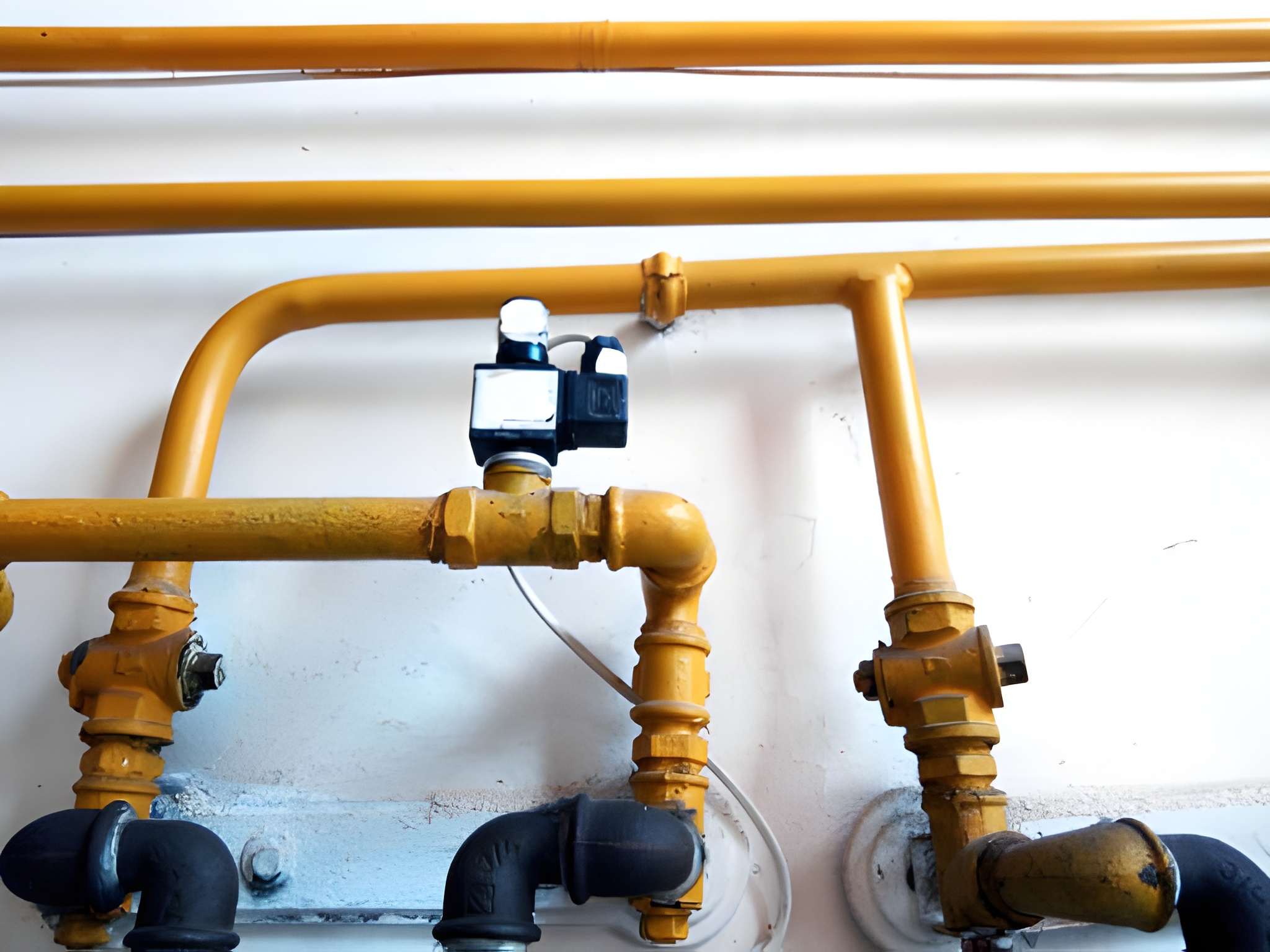
Gas Line Installation Services
When you're adding a new appliance to your home or business - whether it's a water heater, gas range, or heating system - you need reliable gas line installation that's done right the first time. At Van Eddies Heating & Air Conditioning, we've been setting the standard for quality gas line work since 1999. A poorly installed gas line can lead to safety hazards, inefficient appliance performance, and costly repairs down the road. That's why we approach every gas line installation with the same attention to detail and professional expertise that has made us a trusted name throughout the region for over two decades.
Gas line installation isn't something to leave to chance. It requires careful planning, proper materials, adherence to local codes, and thorough safety testing. Whether you're installing a new water heater in your kitchen, running gas to an outdoor grill, or setting up a heating system for your home, the right installation makes all the difference in performance, efficiency, and safety. We understand the complexities involved, and we're here to guide you through the entire process.
Why Professional Gas Line Installation Matters
Many people don't realize how critical proper gas line installation is until something goes wrong. If a gas line isn't sized correctly, routed safely, or installed to code, it won't work as it should. An undersized line can cause your appliance to underperform. An improperly sealed line can lead to leaks. And a line that doesn't meet local inspection standards can create liability issues for your property.
At Van Eddies, we don't just install gas lines - we install them right. Our technicians understand that your comfort and safety depend on quality workmanship from the very beginning. We're insured and protected, EPA certified, and we back our work with the experience of serving Central Florida for more than two decades.
Gas Line Installation Process and Planning
The first step in any gas line installation is understanding your specific needs and planning the layout. This isn't a one-size-fits-all service. Every installation is different depending on your appliance type, the distance from your gas meter, your home's construction, and local building codes.
Initial Assessment and Load Calculations
Before we install a single foot of gas line, we assess your current setup and calculate the load requirements for your appliance or system. Load calculations determine how much gas capacity your line needs to carry. For example, a water heater has different flow requirements than a gas range, and a furnace has different needs than both. Using industry-standard calculations, we ensure your line is properly sized to deliver the right amount of gas at the right pressure for your specific appliance.
This planning phase also involves identifying where your gas meter is located and determining the most practical, code-compliant route for the new line. We look at factors like:
- Distance from the gas meter to your appliance
- Existing obstacles like walls, joists, and mechanical systems
- Local code requirements for line routing and clearances
- Accessibility for future maintenance and inspections
Material Selection
Gas lines can be run using different materials, each with advantages depending on your situation. We discuss your options and recommend the best choice for your installation:
- Black Iron Pipe: Traditional choice, durable and code-approved for most installations. It's affordable and works well for both indoor and outdoor runs.
- Copper Tubing: Flexible option that's popular in modern installations. Easier to route around obstacles and works well in tight spaces.
- CSST (Corrugated Stainless Steel Tubing): Flexible and quick to install. Often used in new construction because of its ease of use and reliability.
Each material comes with specific installation requirements and best practices. We select the material that will work best for your particular situation while meeting all local codes and safety standards.
Trenching, Routing, and Installation Methods
Once we've planned your installation and selected materials, we move into the actual routing and installation phase. How we run your gas line depends on whether it's going inside your home, underneath your house, or running to an outdoor appliance.
Indoor Gas Line Routing
For gas lines running inside your home - like to a kitchen range or a furnace - we route the line through walls or along baseboards in the most practical way possible. This involves careful measurement to avoid conflicts with electrical wiring, plumbing, and structural elements. We secure the line properly at intervals to prevent movement or damage, and we ensure all fittings and connections are accessible for future maintenance.
Underground Gas Lines
If you need a gas line to run to an outdoor grill, pool heater, or other appliance, we may need to trench underground. This requires careful planning to avoid hitting existing utilities. Before any digging begins, we mark all known utility lines and take precautions to protect them. Our trenching work is done professionally to minimize disruption to your landscaping while ensuring proper depth and protection for the gas line.
Attic and Crawlspace Routing
For homes with attics or crawlspaces, routing gas lines through these areas is often the most practical solution. We ensure proper support and protection in these spaces, keeping lines away from insulation and other hazards that could damage them over time.
Permits and Inspection Requirements
This is an area where experience really matters. Gas line installation in Florida requires proper permits and inspections to ensure everything meets code. We handle this process for you - we understand the local requirements, we pull the necessary permits, and we schedule inspections at the right stages of the installation.
Many homeowners don't realize that unpermitted gas line work can create serious problems when you sell your home or make an insurance claim. It can also be unsafe if it hasn't been inspected by a qualified official. We make sure every installation is done by the book. Our work is inspected and approved, giving you peace of mind and protecting your investment in your home or business.
Safety Testing and Commissioning
Once your gas line is installed and routed, the work isn't finished until it's been thoroughly tested. We perform comprehensive safety testing to ensure there are no leaks and that the system is functioning correctly.
Pressure Testing
We conduct a pressure test on the completed gas line to verify there are no leaks or weak points. This test pressurizes the line with inert gas and monitors for any drop in pressure that would indicate a problem. Only after the line passes this test do we proceed to connect your appliance.
Leak Detection
We also use specialized leak detection equipment to check every joint and connection. Even a tiny leak can be a safety issue, so we're thorough in this process. We use soap solution on connections to visually confirm that no gas is escaping.
Appliance Connection and Startup
Once the gas line itself is tested and approved, we connect your appliance and perform startup procedures. This includes:
- Verifying proper gas flow to the appliance
- Checking burner operation and flame color
- Confirming the appliance lights and operates safely
- Testing all safety features and controls
- Providing you with proper usage instructions
After everything is connected and tested, we make sure you understand how to use your new appliance safely and efficiently. If it's a heating system, furnace, or other complex appliance, we explain the controls and answer any questions you have.
Common Applications for Gas Line Installation
Gas line installation serves many different purposes in homes and businesses. Understanding what you're installing for helps us plan the best approach.
Water Heaters
One of the most common gas line installations is for a new water heater. Whether you're replacing an old unit or installing your first gas water heater, we size the line for the heater's BTU requirements and ensure it's routed safely and efficiently. Proper gas line sizing is critical for water heater performance - too small a line and your water heater won't work at full capacity.
Gas Ranges and Cooktops
Kitchen appliances require their own gas line installations. We route the line to your range location, install a proper shutoff valve, and ensure the connection is safe and compliant. If you're upgrading to a gas range from electric, or installing a gas cooktop for the first time, we handle the gas line work as part of the project.
Heating Systems
Gas furnaces and heating systems require properly sized gas lines that can deliver consistent flow throughout the heating season. We ensure your heating system has the gas supply it needs to keep your home warm and comfortable all winter long.
Outdoor Appliances
Gas grills, pool heaters, outdoor fire features, and other outdoor appliances all need properly installed gas lines. Underground lines to these appliances require special consideration for protection and drainage. We ensure these outdoor installations are as durable and reliable as indoor work.
Commercial Applications
For business owners, we install gas lines for restaurant equipment, commercial water heaters, HVAC systems, and other business applications. Commercial installations often involve more complex requirements and higher capacity needs. We're experienced in meeting these demands and working within commercial building codes.
Timeline and Expectations
The timeline for a gas line installation depends on the complexity of your project. A straightforward installation - like adding a gas line to an existing appliance location - might be completed in a single visit. More complex projects - especially those requiring trenching, multiple code inspections, or routing through tight spaces - may take longer.
Simple installations might be completed in 2-4 hours of work time. This includes planning, material selection, routing, connection, testing, and startup.
Moderate complexity installations involving trenching or routing through walls and joists might take 4-8 hours spread across one or two visits - one for installation and one for final inspection and startup.
Complex installations requiring extensive planning, underground work, or commercial-scale systems might take several days, especially when code inspections are scheduled between phases.
We provide you with a realistic timeline estimate before we begin work. We also keep you informed throughout the process so you know what to expect and when the work will be completed.
What Sets Van Eddies Apart
When you choose Van Eddies for your gas line installation, you're choosing a company that has been perfecting its craft since 1999. We understand the importance of quality workmanship because we've been in the business long enough to see what happens when gas line work is done poorly. We've fixed installations that failed, corrected code violations, and dealt with the safety issues that arise from improper work.
Our commitment to quality means we take time to do planning right. We don't rush through the assessment phase. We communicate clearly about what we're doing and why. We use quality materials and follow all local codes. We test everything thoroughly before we consider the job complete.
We're also available when you need us. Our 24-hour availability means we can schedule your gas line installation at a time that works for your schedule - whether that's a weekday morning, weekend afternoon, or even late evening. We respect your time and your need to get your appliances working without unnecessary delays.
Because we're Google Guaranteed and insured, you have protection and assurance that your installation is being handled by a qualified, accountable professional. Every member of our team is trained and certified, and we stand behind our work.
Why Experience Matters in Gas Line Installation
Gas line installation might seem straightforward on the surface - run a pipe from point A to point B, connect it, and test it. But the details matter tremendously. Proper sizing, routing, material selection, code compliance, and safety testing all require knowledge and experience. That's where 25 years in business makes a real difference.
We've installed gas lines in homes built in the 1950s with unique challenges. We've worked in new construction with modern code requirements. We've solved problems that arise when appliances are relocated or upgraded. We've navigated the specific requirements of Central Florida building codes. This experience means we can anticipate issues, avoid problems, and deliver a result that works correctly and safely from day one.
When something isn't installed correctly, it won't work as it should. This is especially true of gas line installations. Trust Van Eddies to do it right. We're here to set the standard for quality gas line work in your area, just as we have for over two decades.
Maintenance Plan
Heat Pump/ AC Tune-Up

Furnace Tune-Up
Customer Testimonials