



Water Heater Repair



A hot shower on a cold morning, warm water for washing dishes, comfortable bathing - these are things most people take for granted until their water heater fails. When your hot water stops working or something feels off with your system, you need fast, reliable help. Van Eddies Heating & Air Conditioning has been serving Orlando and the surrounding communities since 1999, and water heater repair is one of the essential services we provide to keep your home functioning smoothly.
Why Water Heater Problems Need Quick Attention
When your water heater fails, it's not just an inconvenience - it can disrupt your entire household routine. A broken water heater affects everything from morning routines to laundry to kitchen cleaning. Beyond comfort, some water heater issues signal safety concerns that need immediate professional attention, particularly with gas units where pilot light problems or combustion issues can develop.
The longer you wait to address water heater problems, the worse they typically become. A small leak can turn into significant water damage. Strange noises often indicate mineral buildup or failing components that will eventually lead to complete system failure. Addressing these issues early can prevent expensive emergency repairs and water damage to your home.
Common Water Heater Problems We Repair
Water heaters fail in several distinct ways, and recognizing these problems helps you understand what's happening and why professional repair matters. At Van Eddies, we diagnose and repair all these common issues regularly.
No Hot Water or Insufficient Hot Water
This is the most common complaint we hear from Central Florida homeowners. If you're getting no hot water at all, the problem could stem from several sources. In electric water heaters, the heating elements may have failed, or the thermostat controlling the temperature may be malfunctioning. In gas units, the pilot light might have gone out, or the burner assembly could be defective. Sometimes the issue is simpler - a tripped circuit breaker or a closed cold water shut-off valve - but without proper diagnosis, you won't know what needs fixing.
If you're getting some hot water but not enough, or if your hot water runs out much faster than usual, the problem might be sediment buildup inside the tank or a failing dip tube. The dip tube directs cold water to the bottom of the tank so it heats properly. When it breaks, cold and hot water mix, reducing the available hot water supply.
Strange Noises and Rumbling Sounds
Popping, cracking, or rumbling sounds coming from your water heater are red flags. These noises typically indicate mineral sediment accumulation on the heating elements. As water heats, pockets of steam form underneath the sediment layer and escape, creating those unsettling sounds. This is particularly common in Florida, where our water contains minerals that settle in tanks over time.
Beyond being annoying, these sounds signal that your system is working harder than it should. The sediment layer acts as insulation, forcing the heating element to work longer to reach the target temperature. This reduces efficiency and shortens the lifespan of your water heater. Professional flushing can often resolve this issue, but if the sediment buildup is severe, component replacement might be necessary.
Leaks and Moisture Around the Unit
Water pooling around your water heater demands immediate attention. Small leaks can originate from the inlet or outlet connections at the top of the tank, which may simply need tightening or new washers. These are relatively simple fixes that prevent water damage.
However, if the leak is coming from the tank itself, it indicates corrosion has eaten through the metal. Tank leaks typically mean the water heater has reached the end of its serviceable life and replacement is the best option. A leaking water heater can cause serious damage to flooring, drywall, and surrounding structures, so addressing this quickly is important.
Pilot Light Issues (Gas Water Heaters)
If you have a gas water heater and the pilot light won't stay lit, several issues could be responsible. A dirty pilot orifice can prevent the flame from igniting properly. Sometimes the thermocouple - a safety device that detects whether the pilot light is burning - fails and shuts off the gas supply as a safety measure. Drafts around the unit might blow out the pilot light, particularly in garages or utility rooms exposed to outdoor air.
While a homeowner can sometimes relight a pilot light by following manufacturer instructions, recurring pilot light problems need professional diagnosis. Our technicians can identify whether the issue is a faulty thermocouple, dirty burner components, or gas supply problems.
Rusty or Discolored Water
If your hot water comes out rusty, brown, or discolored, it indicates corrosion inside the tank. The water heater's sacrificial anode rod - a metal rod designed to corrode instead of the tank - may be depleted. When the anode rod fails, rust develops inside the tank. Replacing the anode rod early can extend your water heater's life significantly.
Discolored water can also come from corroded pipes or fixtures, but if it appears only from the hot water side, the issue is likely inside the water heater itself.
Water Heater Repair Process for Tank Systems
Understanding how we approach water heater repair helps you appreciate the thoroughness of professional service. Van Eddies technicians follow a systematic process to diagnose and fix your system properly.
Initial Diagnosis
When we arrive at your home, we start by understanding what you've experienced. We listen to any unusual sounds, note whether there's moisture present, and ask about changes in water temperature or availability. We review the unit's age and maintenance history if available.
Next, we perform a visual inspection of the entire system, including the tank, connections, relief valve, and surrounding area. We check for signs of corrosion, leaks, or damage. For gas units, we verify the pilot light is operating and check the burner assembly. For electric units, we test the power supply and thermostat settings.
We then run diagnostic tests specific to the problem. For "no hot water" issues, we check the thermostat setting, test heating elements, and measure water temperature at the tap. For noise problems, we may flush the tank to assess sediment levels. For leaks, we identify the exact source and determine whether it's repairable or signals terminal tank failure.
Repair and Replacement
Once we've diagnosed the issue, we explain what we've found and recommend the best solution. We're straightforward about whether a repair is feasible or whether replacement makes more sense. You'll never get a sales pitch from Van Eddies - if a repair will solve your problem reliably, that's what we recommend.
Common repairs we perform include:
- Replacing heating elements in electric water heaters
- Installing new thermostats
- Replacing thermocouples in gas units
- Repairing or replacing dip tubes
- Tightening or replacing inlet and outlet connections
- Replacing relief valves
- Flushing sediment from tanks
- Repairing or replacing burner assemblies
For each repair, we use quality parts and follow manufacturer specifications. We take time to do the work properly because we back our service.
Safety Checks
For gas water heaters, safety is paramount. We verify proper venting to ensure combustion byproducts exit safely outside. We check that the relief valve operates correctly - this critical safety device prevents dangerous pressure buildup inside the tank. We confirm the pilot light ignition system is functioning properly.
For electric units, we verify proper grounding and that the unit is receiving correct voltage. We test that thermostats are responding appropriately to temperature changes.
Water Heater Repair for Tankless Systems
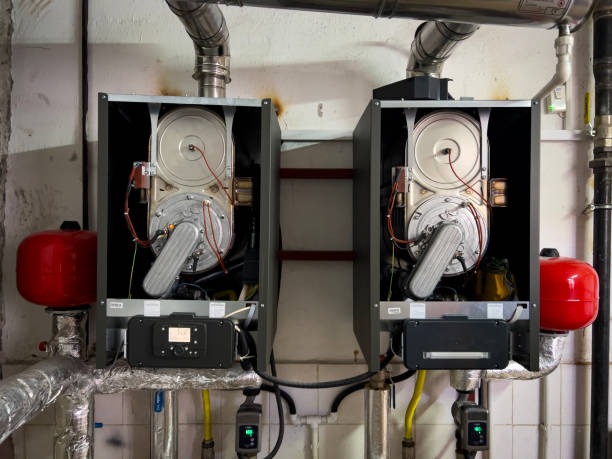
Tankless water heaters operate differently from traditional tank systems, and their repairs require different expertise. These compact units heat water on demand, which makes them efficient but also means they contain different components that can fail.
Common Tankless Water Heater Issues
Tankless units frequently develop mineral scale inside the heat exchanger, the component where water gets heated. Florida's mineral-rich water accelerates this buildup. When scale accumulates, the unit loses efficiency, heats water more slowly, or stops working entirely.
Inconsistent water temperature is another common complaint. This might indicate a faulty temperature sensor, a malfunctioning mixing valve, or scale restricting water flow. Some homeowners report that their tankless units won't fire up properly, which could mean ignition problems, gas supply issues, or electronic control failures.
Flow sensors in tankless units detect when water is moving through the system and trigger the heating cycle. When these sensors malfunction, the unit may not heat water even though everything else is working correctly.
Tankless System Repairs
Repairing tankless units often involves descaling - flushing the system with a descaling solution to remove mineral buildup from the heat exchanger. We connect specialized equipment that cycles the solution through the unit, breaking down scale and restoring efficiency. This can dramatically improve performance and prevent more serious problems.
We also replace components like mixing valves, temperature sensors, and ignition assemblies. Modern tankless units have electronic controls that occasionally need troubleshooting or replacement. We're trained on the major brands and can diagnose electronic issues systematically.
Because tankless units are more complex and contain electronics, we recommend having them serviced by experienced technicians. Van Eddies has the training and tools to handle tankless repairs properly.
Timeline and What to Expect
When you call Van Eddies for water heater repair, you're contacting technicians who understand the urgency of the situation. We offer 24-hour emergency service - when your water heater fails on a Sunday or at 2 AM, we're available to help.
For emergency calls, we aim to reach you quickly. Our goal is arrival within a reasonable timeframe so we can begin diagnosis and, in many cases, get your system working that same day. Many water heater repairs can be completed in a single service visit once we've identified the problem.
The timeline depends on what's wrong. A simple thermostat replacement might take 30 minutes. Descaling a tankless system could take 1-2 hours. Tank flushes require similar time. If the issue is a component failure requiring replacement, we may need to order parts if they're not in stock, though for common components we typically carry them on our service vehicles.
If we determine your water heater has reached the end of its life and replacement is the best option, we'll discuss that honestly with you. We won't push you toward replacement if a repair makes sense, but we'll be clear when continuing to repair an aging unit is throwing good money after bad.
Gas vs. Electric Water Heater Repair Considerations
Understanding the differences between these systems helps you appreciate why certain repairs are necessary.
Gas Water Heaters
Gas units use a burner assembly and flame to heat water. The pilot light must ignite consistently, the gas valve must open reliably, and venting must work properly. These mechanical and combustion processes create additional failure points compared to electric systems.
Gas water heaters heat water faster than electric units, which is why many homeowners prefer them. However, they require proper ventilation to safely remove combustion byproducts. Any blockage in the vent pipe or issues with the draft diverter can cause dangerous carbon monoxide buildup or inefficient operation.
When we repair gas water heaters, we verify all safety systems are functioning. The draft hood prevents backdrafting. The temperature and pressure relief valve protects against dangerous pressure buildup. The thermostat ensures water reaches the target temperature without overheating.
Electric Water Heaters
Electric units use heating elements - essentially heavy-duty resistors - to warm water. They're simpler mechanically than gas units, with fewer moving parts and no combustion concerns. However, they require adequate electrical supply and proper installation.
Electric water heaters have two heating elements in most cases - an upper element and a lower element. If one fails, you might still get some hot water, but not enough. Both elements eventually wear out, and replacement extends the system's life significantly.
The thermostat in an electric water heater controls when the heating elements activate. A faulty thermostat might keep elements running constantly, wasting energy, or not activate them at all, leaving you without hot water.
Prolonging Your Water Heater's Life
While professional repairs address problems, preventive care extends the time between failures and keeps your system running efficiently. Here's what you can do.
Annual Flushing
Draining a few gallons from the tank annually removes sediment that accumulates at the bottom. This simple maintenance task keeps heating elements cleaner and helps the system operate more efficiently. If you're uncomfortable doing this yourself, it's a quick job for a professional during an annual maintenance visit.
Monitor Water Temperature
Most water heaters should be set around 120 degrees Fahrenheit. Higher temperatures waste energy and create scalding risks. If you notice your water is unusually hot, have the thermostat checked.
Inspect Connections
Periodically look at the inlet and outlet connections at the top of the tank. If you notice any moisture or corrosion, tightening the connections or replacing washers early can prevent leaks from developing.
Check the Relief Valve
The temperature and pressure relief valve (TPR valve) is a critical safety device. Once yearly, you can test it by lifting the lever briefly - a small amount of water should discharge from the drain pipe. If it doesn't operate or if water continuously drips from the drain, the valve needs replacement.
Protect from Corrosion
If your water heater is in a damp environment like a basement or garage, ensure adequate air circulation. Poor ventilation can accelerate corrosion. For gas units, ensure the vent pipe is properly secured and unobstructed.
Professional Maintenance
Having a technician inspect your water heater annually catches problems early. We can assess the anode rod condition, look for corrosion or leaks, test all safety systems, and perform flushing if needed. This preventive approach often costs far less than emergency repairs or premature replacement.
Why Choose Van Eddies for Water Heater Repair
Since 1999, Van Eddies Heating & Air Conditioning has built a reputation for honest, quality service throughout Central Florida. We're EPA certified, properly licensed, and Google Guaranteed - meaning we stand behind our work.
When you call us for water heater repair, you get technicians who diagnose problems thoroughly and explain what's happening in plain language. We won't recommend unnecessary repairs, and we'll be direct about whether a system can be fixed or needs replacement.
Our 24-hour availability means emergency water heater failures don't have to ruin your weekend or keep you without hot water longer than necessary. We're experienced with both traditional tank systems and modern tankless units, whether they run on gas or electricity.
We provide upfront estimates before we begin work, so you understand what repairs cost and why they're necessary. We handle the job properly the first time because that's how we've operated for more than two decades.
Every problem has a solution, and we know how to find it. When your water heater isn't working, trust the experienced professionals at Van Eddies Heating & Air Conditioning to restore your hot water and your comfort.
Maintenance Plan
Heat Pump/ AC Tune-Up

Furnace Tune-Up
Customer Testimonials