


AC Installation in Lake Nona, FL



Replacing or installing a new air conditioning system in Lake Nona, FL is a high-impact home improvement: it affects comfort, indoor air quality, energy bills, and the long-term performance of your HVAC investment. Lake Nona’s hot, humid climate and the area’s modern, open-concept homes increase cooling demands and make accurate system sizing and proper installation essential. A correctly selected, permit-compliant, and professionally installed system delivers cooler, drier air, lower operating costs, and fewer emergency repairs down the road.
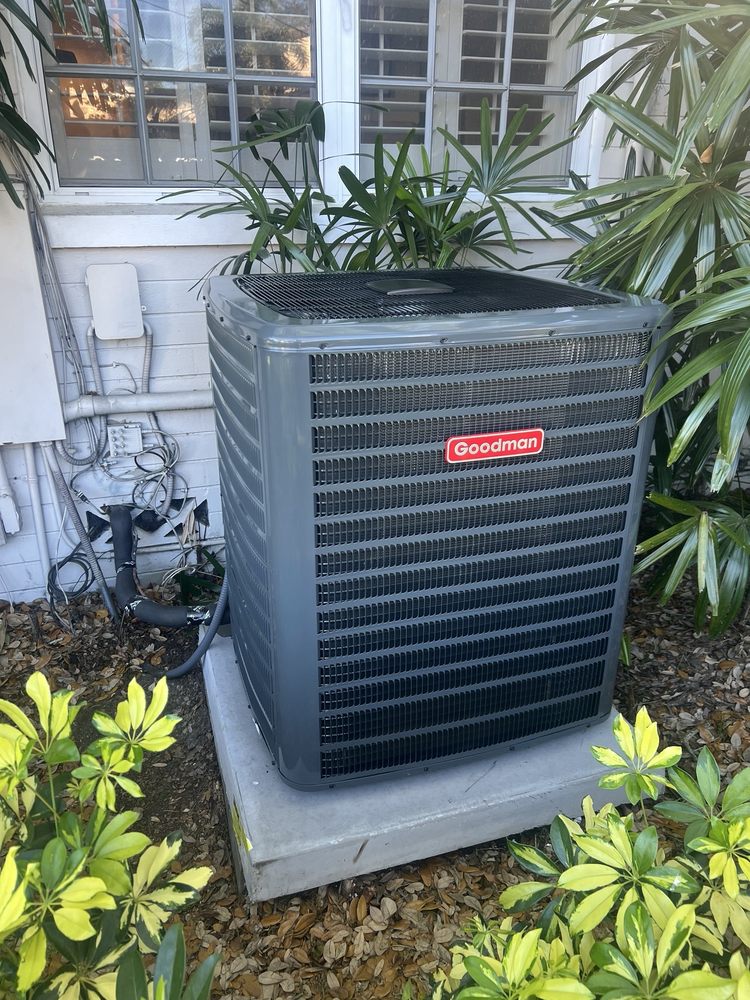
Common AC installation types and local issues in Lake Nona
- Central split systems (most common in suburban Lake Nona homes)
- Heat pumps (efficient year-round choice for mild Florida winters)
- Ductless mini-splits (ideal for additions, garages, or zoned solutions)
- High-SEER systems with inverter technology for maximum efficiency
Common installation challenges seen in Lake Nona:
- Higher latent cooling needs because of persistent humidity, requiring proper dehumidification strategy
- Undersized or oversized equipment from previous installs that leads to short cycling or inadequate humidity control
- Leaky or poorly sized ductwork in newer open-plan homes reducing efficiency
- Older refrigerant types (R-22) that must be replaced in full-system upgrades to meet modern standards
Initial assessment and load calculations
A reliable installation starts with a detailed home assessment:
- Manual J load calculation to determine precise cooling capacity needed, accounting for square footage, insulation, window orientation, occupancy, and Lake Nona’s climate factors
- Duct inspection (leak detection, sizing check, static pressure)
- Electrical panel evaluation to confirm adequate service, proper breaker sizing, and safe disconnects
- Indoor air quality review to recommend filtration, dehumidification, or ventilation improvements
Accurate load calculations prevent oversizing (causing humidity and comfort issues) and undersizing (causing constant runtime and wear).
Selecting the right SEER-rated and energy-efficient system
System selection balances comfort goals, budget, and long-term energy savings:
- SEER ratings: Florida homeowners typically benefit from higher SEER units (14-20+), which reduce cooling costs in Lake Nona’s long cooling season
- Heat pump vs. traditional split system: heat pumps provide efficient cooling and heating for mild winters
- Inverter-driven compressors and variable-speed blowers improve comfort and humidity control
- Matching indoor coil and condenser from the same manufacturer ensures proper refrigerant charge and warranty compliance
- Consider integrated dehumidification and compatible advanced filtration for Lake Nona humidity and pollen concerns
Professional installation steps (what to expect)
- Pre-install preparation: obtain permits, schedule inspections, and order matched equipment and accessories.
- Removal and site prep: safely remove old equipment, prepare pad or curb, and ensure proper clearance for airflow and service access.
- Ductwork and air handler installation: repair or replace ducts, install properly sized supply and return routes, and ensure tight connections and correct static pressure.
- Refrigerant lines and electrical: run linesets, insulate piping, install breakers and disconnects, and follow local electrical code.
- Condenser and coil setup: level and secure the outdoor unit, mount indoor coil, and connect drain pans and condensate lines.
- Evacuation and refrigerant charge: deep vacuum to remove moisture and non-condensables, then charge to manufacturer specifications—critical for performance and longevity.
- Safety checks and permit inspections: ensure electrical, mechanical, and refrigerant work meet local and state codes; coordinate required inspections with Orange County/City permitting authorities.
- Start-up and calibration: verify airflow, static pressure, superheat/subcooling, thermostat calibration, and safety controls.
Post-installation testing and verification
After installation, thorough testing confirms proper operation:
- Measure system airflow and adjust blower to manufacturer specs
- Check refrigerant pressures and temperatures to confirm proper charge
- Test temperature split across the evaporator coil and verify consistent comfort throughout the home
- Run energy efficiency checks and monitor humidity levels during a run-in period
- Document all readings, install labels, and hand over operation details and maintenance recommendations
Permitting, safety checks, and code compliance
Lake Nona installations must comply with Florida building codes and local Orange County/City requirements. Proper permitting ensures inspections for safety and code adherence, covering:
- HVAC mechanical permit and final inspection
- Electrical permits for any panel or circuit changes
- Refrigerant handling and EPA compliance for certified technicians
Licensed technicians following code reduce liability and protect manufacturer warranties.
Warranty, financing, and ownership considerations
- Manufacturer warranty: typically covers major components; length and coverage depend on make and model
- Labor warranty: separate coverage for workmanship—verify terms and duration
- Extended warranties and maintenance plans: can protect against high repair costs and preserve efficiency
- Financing options: many homeowners use financing for equipment upgrades; look for terms that match expected energy savings and payback timelines
Smart-thermostat integration and efficiency gains
Smart thermostats add measurable value in Lake Nona homes:
- Adaptive scheduling and geofencing reduce runtime when the house is empty
- Humidity control integration improves comfort in Florida’s humid climate
- Remote diagnostics and energy reports help fine-tune performance and spot issues early
- Compatibility with zoning and multi-stage systems enables balanced comfort across open-plan spaces
Maintenance and long-term benefits
A correctly sized and installed AC delivers:
- Improved comfort with better temperature and humidity control
- Lower monthly energy bills through higher SEER and proper system tuning
- Fewer breakdowns and longer equipment life with correct installation and routine maintenance
- Enhanced indoor air quality with upgraded filtration and dehumidification
Recommended maintenance for Lake Nona homes:
- Replace filters every 1-3 months
- Schedule biannual tune-ups (pre-summer and pre-winter checks)
- Clean condensate drains and inspect ductwork annually
- Monitor system runtime and humidity; address odd noises or cycling immediately
Maintenance Plan
Heat Pump/ AC Tune-Up

Furnace Tune-Up
Customer Testimonials