



AC Installation in Orange County, FL
Air conditioning installation in Orange County, FL. Our team handles load calculations, permits, and post-install support. Learn more



Replacing or installing a new air conditioner in Orange County, FL is one of the most effective ways to improve home comfort, reduce monthly energy bills, and protect your HVAC investment from the region’s heat and humidity. Because Orlando-area summers are long, hot, and humid, a properly sized and professionally installed system matters more here than in milder climates.
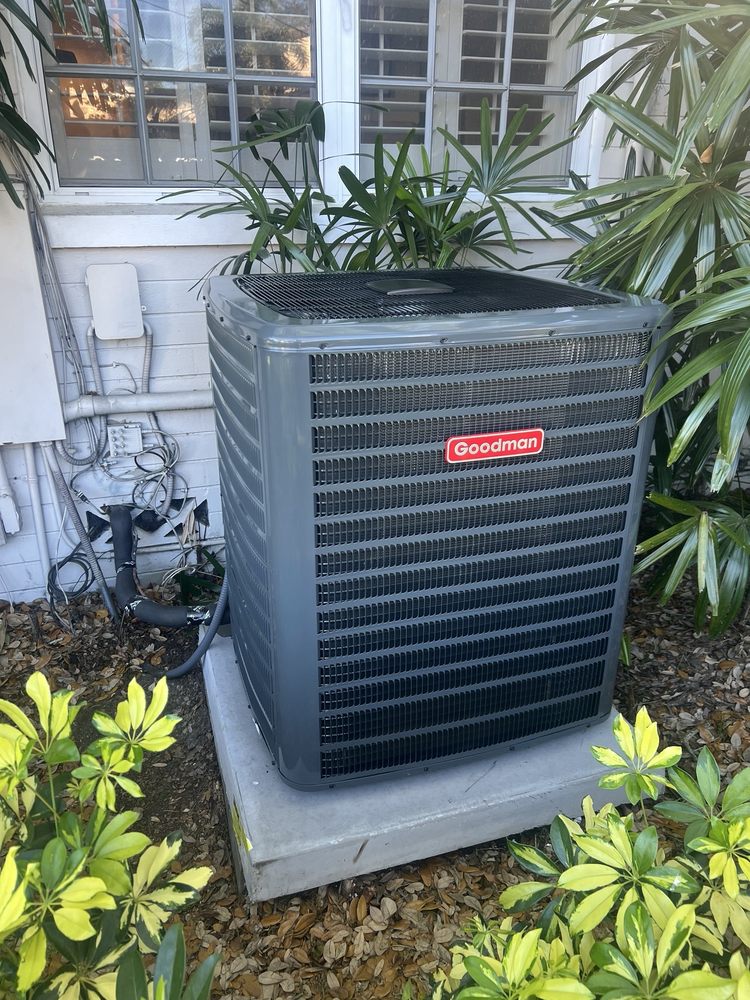
Common reasons Orange County homeowners schedule a new AC installation
- Aging equipment that struggles to keep up or breaks down frequently
- Rising energy bills from inefficient or undersized systems
- Use of phased-out refrigerants (R22) requiring replacement
- Uneven cooling, hot rooms, or persistent humidity problems
- Home additions or remodeled spaces that change cooling loads
- Ductwork problems or chronic indoor air quality complaints
- Desire for higher efficiency, variable-speed operation, or smart controls
- Preparing the home for hurricane season with secure outdoor equipment placement and strapping
The installation process: what a professional approach looks like
A thorough, professional installation follows a logical sequence to ensure efficiency, safety, and long-term reliability.
Site assessment and load calculations
- A qualified technician performs a detailed home evaluation and Manual J load calculation to determine the proper system size. In Orange County, orientation, window area, insulation, attic temperatures, and humidity levels heavily influence required capacity.
- Ductwork assessment (Manual D) checks sizing, leakage, and airflow to determine whether duct repair or modification is needed before installation.
- Electrical service and panel capacity are reviewed to ensure the new unit can be safely powered.
Equipment selection and SEER recommendations
- Equipment is chosen to match the calculated load and the homeowner’s priorities: highest cooling comfort, energy savings, or quiet operation.
- SEER (Seasonal Energy Efficiency Ratio) ratings matter more in a warm climate. Modern systems range widely; higher SEER units deliver greater savings over time but come with higher upfront cost. The load calculation helps identify the optimal SEER for cost and comfort in Orange County homes.
- Consideration is given to system type: central air with matched coil and condensing unit, heat pump options for combined heating and cooling, variable-speed compressors for better humidity control, and compatible thermostats or zoning systems.
Permits and local code considerations
- Local permitting and inspections protect homeowners and ensure installations meet Orange County and Florida building codes. Permits commonly cover equipment replacement, refrigerant handling, electrical connections, and HVAC ductwork changes.
- In many areas, outdoor units may require hurricane straps, elevated pads, or specific setback requirements. Licensed contractors will handle permit submission and scheduling of required inspections.
- EPA refrigerant handling and certification rules apply to technicians recovering or charging refrigerant.
Professional installation steps
- Safe removal and proper disposal or recycling of the old equipment and refrigerant.
- Preparation of the pad or mounting location, including leveling, elevation from potential flooding, and secure anchoring where needed.
- Installation of the condensing unit, indoor coil or air handler, refrigerant lines, condensate drain, and electrical connections.
- Proper insulation and sealing of refrigerant lines and repair or upgrade of duct connections to minimize leakage.
- Installation of a matched indoor coil and proper electrical disconnects per code.
Testing and commissioning
- Technicians start-up the system and perform a comprehensive commissioning checklist: verifying refrigerant charge, measuring superheat and subcooling, checking airflow and static pressure, confirming correct electrical currents and voltages, and testing control and thermostat operation.
- Temperature split and humidity performance are checked under load conditions to ensure the system is performing as expected for Orange County climate.
- Technicians document settings, operating pressures, and provide written installation records for warranty registration.
Warranty, rebates, and paperwork
- New equipment typically includes manufacturer warranties on major components and many installers provide a labor warranty. Proper registration after installation is required for most manufacturer warranties.
- Homeowners in Florida may qualify for utility or state energy-efficiency rebates and incentives. A qualified contractor will advise on typical rebate programs and necessary documentation but homeowners should verify current programs and eligibility.
- All permit paperwork, inspection approvals, and warranty registration are typically provided to the homeowner after completion.
Post-installation support and maintenance
- A maintenance schedule preserves efficiency and extends equipment life. Regular tasks include filter changes, coil cleanings, and seasonal tune-ups.
- Many installers offer a seasonal checklist or service plan that includes routine inspections, refrigerant checks, and priority response for warranty-covered issues.
- Smart thermostat setup and guidance on minimizing humidity and run-time in hot, humid Orange County conditions are part of good post-installation support.
Why professional installation matters in Orange County
- Climate impacts: High humidity and elevated ambient temperatures place extra stress on cooling systems. Proper sizing and humidity control are essential to prevent mold, condensation, and discomfort.
- Energy savings: An improperly installed system wastes energy. Correct airflow, accurate refrigerant charge, and matched components maximize SEER performance in real-world conditions.
- Longevity and reliability: Proper mounting, strapping, and outdoor unit placement protect equipment during storm season and reduce premature failure.
- Code compliance and safety: Permits and inspections protect your home and ensure the system meets electrical and pressure safety standards.
What to expect on installation day
- Typical timeframe varies by project scope but expect technicians on-site for several hours to a full day.
- Reasonable noise during removal and installation of outdoor equipment; installers will protect flooring and landscaping and clean up at job completion.
- Homeowner preparation: clear pathways to the system locations, secure pets, and ensure access to electrical panels if requested.
- Final walkthrough will include equipment orientation, warranty paperwork, and operational instructions for thermostat settings and maintenance basics.
Simple maintenance tips after installation
- Replace or clean filters on the schedule recommended by the manufacturer.
- Keep the outdoor unit clear of vegetation and debris for proper airflow.
- Schedule seasonal tune-ups to verify refrigerant charge, airflow, and electrical connections.
- Use a programmable or smart thermostat to reduce run-time when the home is unoccupied while maintaining humidity control.
Maintenance Plan
Our comprehensive 21-point Tune-up maintenance plan ensures your systems run smoothly year-round, with regular check-ups and priority support.
Heat Pump/ AC Tune-Up
Our Heat Pump/AC Tune-Up ensures peak performance by cleaning coils, checking refrigerant, lubricating parts, and inspecting electrical components. This boosts energy efficiency, extends system life, prevents breakdowns, and lowers utility bills while maintaining optimal home comfort year-round.
Sign Up Today!

Check And Adjust Thermostat As Needed
Check Filter; Replace/Wash As Needed
Check Voltages
Check All Wiring And Connections
Check Starting Contractor
Check All Capacitors
Measure All Motor Amperages
Check Operation of Unit Safety Controls
Check Superheat/Hot Gas Temperature
Check Refrigerant; Charge As Needed
Check Evaporator Condition; Clean As Needed
Check For Rubbing Refrigerant Lines
Check And Clean Condenser Coil
Check Air Temperature Across Evaporator Coil
Lubricate Any Moving Parts
Check Fan Blades For Cracks
Check Condenser Temperature Rise
Check Condensate Drain Or Pump
Check Fuse Disconnects
Check Condition of Ductwork
Wax Top Of Unit
Furnace Tune-Up
Our Furnace Tune-Up optimizes heating efficiency through coil cleaning, burner inspection, airflow checks, and safety control testing. This service prevents costly repairs, enhances fuel efficiency, extends equipment lifespan, and ensures reliable warmth during cold months.
Sign Up Today!
Check And Adjust Thermostat As Needed
Check Filter; Replace/Wash As Needed
Check For Gas Leaks At Furnace
Clean Burners And Controls
Check Safety Controls; Adjust As Needed
Check Flame Sensors
Clean Equipment Interior
Check Fan Control
Check Blower Speed And Operation
Check All Wiring And Connections
Check Connection Of Flue Pipe and Draft Diverter
Check Ignition System
Check Heat Exchanger
Check Complete Furnace Cycle
Lubricate All Moving Parts
Check Pressure Switches And Vent Blower/Draft Inducer
Check Temperature Of Vent Air
Check Air Temperature Across Furnace
Check Condition Of Ductwork
Measure Carbon Monoxide
Clean Equipment Exterior
Customer Testimonials
Discover why our customers love us through their heartfelt testimonials.