


AC Installation in Winter Park, FL



An efficient, correctly sized air conditioning system is essential for comfort and energy control in Winter Park homes. With long, humid summers and frequent high cooling demand, a professionally executed AC installation will reduce energy bills, prevent premature equipment failure, and maintain consistent indoor comfort.
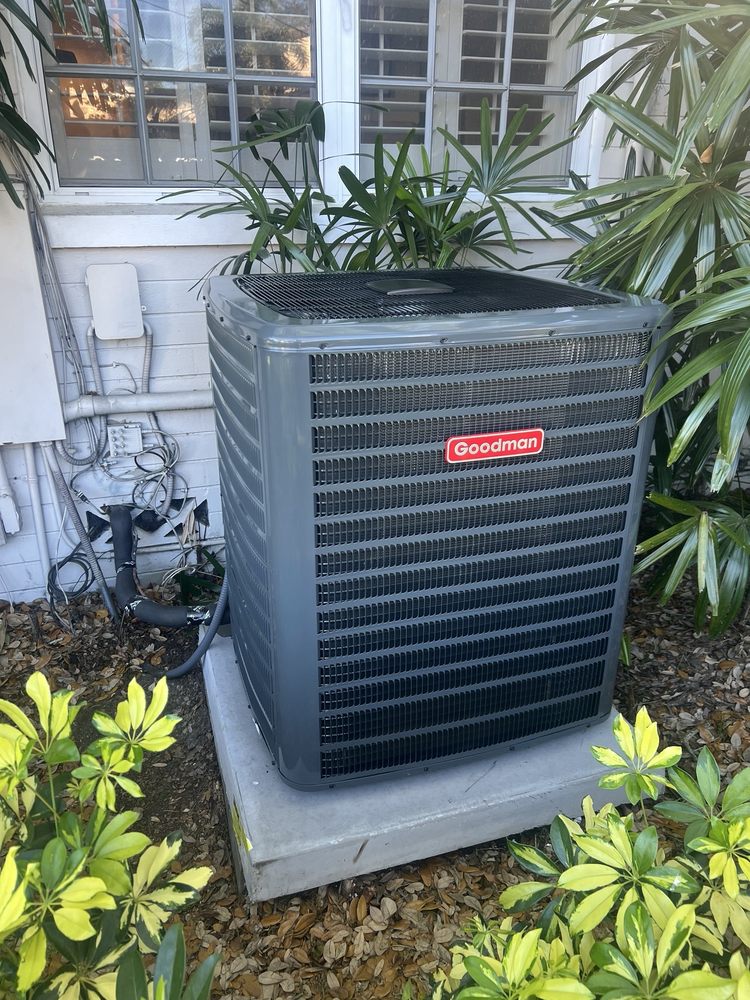
Why a careful installation matters in Winter Park
Winter Park’s subtropical climate means air conditioners run longer and work harder than in many other regions. High humidity, attic heat gain, and afternoon storms place extra stress on equipment. A unit that is too small will run continuously and fail early; an oversized unit will short-cycle, producing poor dehumidification and uneven comfort. Proper installation tailored to local conditions preserves indoor air quality, improves dehumidification, and extends system life.
Home assessment and load calculations
A professional installation begins with a thorough home assessment and a Manual J load calculation. That includes:
- Measuring conditioned square footage, ceiling heights, insulation levels, window types, and orientation.
- Inspecting ductwork condition, layout, static pressure, and insulation.
- Assessing attic ventilation and common heat sources (kitchen, appliances, solar gain).
- Considering household habits, thermostat settings, and occupancy patterns.
The Manual J calculation determines the precise cooling capacity you need in tons and informs duct sizing (Manual D) and equipment selection. In Winter Park, builders and older homes often have mismatched or undersized duct systems; identifying these issues before equipment selection avoids comfort problems after installation.
Equipment selection: efficiency, SEER, and system types
Choose equipment based on capacity needs, energy efficiency, and long-term operating costs:
- SEER rating and efficiency: Higher SEER units use less electricity during Winter Park’s long cooling season. While initial cost is higher for high-SEER units, energy savings typically recover the difference over time in Florida climates.
- System type: Central split systems are common for whole-house cooling. Heat pump options can provide efficient year-round operation. Ductless mini-splits may be best for additions or homes without ductwork.
- Variable-speed compressors and blower motors: These provide quieter operation, better humidity control, and improved comfort by modulating output to match demand.
- Build quality for Florida conditions: Choose condensers with durable coatings and corrosion-resistant materials to withstand humidity and occasional storms.
Equipment selection also factors in noise levels, refrigerant type, and compatibility with smart thermostats and zoning systems for improved comfort control.
Installation steps and typical timelines
A professional installation generally follows these stages:
- Pre-installation inspection and final load confirmation (1 day).
- Permitting and scheduling with local authorities (timing varies by jurisdiction).
- Removal and disposal of the old system (if applicable) and preparation of the pad and duct connections (half to one day).
- Outdoor condenser and indoor coil installation, refrigerant line set, electrical connections, and drain installation (1 to 2 days).
- System charging, balancing, controls setup, and commissioning (half day).
- Post-install testing and homeowner orientation (a few hours).
Total timeline for most standard residential installs is commonly 2 to 4 days from the start of on-site work, excluding permit wait times. Larger or multi-zone projects and duct modifications can extend this schedule.
Permitting and code compliance
Winter Park installations must comply with Florida building codes and local ordinances in the City of Winter Park and Orange County. Required items often include:
- Mechanical permits for new HVAC equipment.
- Proper electrical permits and bonding.
- Installation to manufacturer specifications and local code for refrigerant handling, condensate disposal, and seismic/hurricane anchoring where applicable.
- Documentation for inspection and final approval.
Licensed professionals ensure permits are pulled, inspections are scheduled, and the work meets code, protecting warranty coverage and resale value.
Warranty, post-install testing, and handover
Reputable installations include manufacturer warranties and labor guarantees. Post-install testing should include:
- System refrigerant charge verification and airflow measurements.
- Electrical safety checks and verification of proper breaker sizing.
- Temperature split and humidity performance testing.
- Duct leakage testing if ducts were modified.
A complete handover includes documentation of warranty terms, maintenance schedule recommendations, thermostat programming, and a clear explanation of expected performance.
Rebates, incentives, and financing
Winter Park homeowners may qualify for utility rebates, manufacturer promotions, or financing programs that reduce upfront costs. There are often incentives for high-efficiency equipment or heat pump conversions. Financing options tailored to home-improvement projects help spread payment over time. Verify current offers before purchase, and ensure any qualifying work meets the rebate program requirements.
Expectations for system performance and maintenance
After a proper installation in Winter Park, expect:
- Consistent indoor temperatures with improved dehumidification compared with older systems.
- Lower monthly cooling costs when moving to a higher-SEER unit, especially during extended hot months.
- Quieter operation and longer service life when airflow and refrigerant charge are correct.
To preserve performance:
- Schedule biannual maintenance, including coil cleaning and airflow checks.
- Replace filters regularly and maintain proper attic insulation and ventilation.
- Keep the outdoor condenser clear of debris and ensure proper refrigerant levels.
Common installation challenges in Winter Park and how they’re addressed
- Undersized or leaky ducts: Identify during assessment and repair or rework with Manual D duct design.
- High humidity and poor dehumidification: Use variable-speed equipment and proper thermostat control.
- Attic heat gain: Improve insulation and ventilation or consider a ducted system with conditioned attic air.
- Corrosion and storm exposure: Select coated condensers and secure outdoor units to code for severe weather.
Maintenance Plan
Heat Pump/ AC Tune-Up

Furnace Tune-Up
Customer Testimonials