



AC Maintenance in Lake Conroe, TX



Keeping your air conditioner running efficiently in Lake Conroe, TX matters more than ever. Hot, humid summers, high pollen counts, and periodic severe storms place extra strain on cooling systems. Regular, professional air conditioning maintenance prevents breakdowns during peak heat, preserves manufacturer warranties, and reduces monthly energy bills.
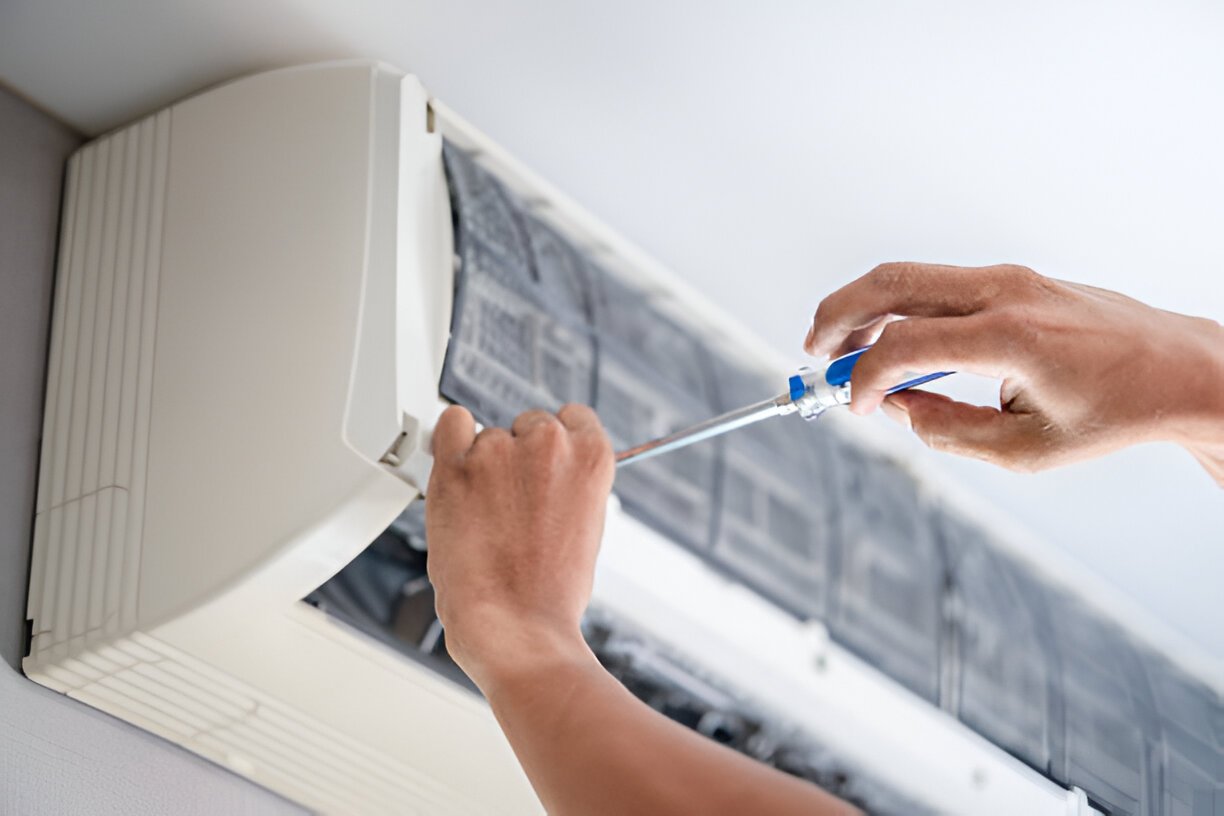
Why scheduled AC maintenance matters in Lake Conroe, TX
- Lake moisture and higher humidity increase the risk of coil corrosion and clogged condensate drains.
- Extended cooling seasons mean compressors and fans run longer, increasing wear.
- Local pollen and outdoor debris load filters and coils faster than in drier climates.
- Storms and power fluctuations can stress electrical components and refrigerant systems.
Proper maintenance addresses these local challenges so your system stays reliable and efficient year round.
Common AC maintenance issues in Lake Conroe homes
- Dirty or clogged filters reducing airflow and indoor air quality.
- Refrigerant leaks or incorrect refrigerant charge causing poor cooling and higher energy use.
- Clogged condensate drains and overflow that lead to water damage or mold growth.
- Worn capacitors, contactors, and motors that cause hard starts or system failures.
- Dirty evaporator and condenser coils reducing heat transfer and efficiency.
- Thermostat calibration drift leading to short cycling or uneven cooling.
- Duct leaks and insulation degradation that reduce system effectiveness.
What a comprehensive maintenance plan includes
A properly structured maintenance plan combines scheduled inspections, preventative services, and documentation that supports warranties.
Typical components:
- Scheduled inspections: seasonal visits timed before cooling-intensive months.
- 21-point tune-up items including electrical checks, system start-up/shutdown tests, and refrigerant level assessment.
- Filter replacement or guidance for homeowner-maintained filters.
- Coil cleaning - condenser and evaporator coil care to restore heat exchange.
- Condensate drain cleaning and verification of proper discharge.
- Blower motor and wheel inspection plus airflow measurement.
- Electrical component check: capacitors, contactors, breakers, wiring connections.
- Thermostat calibration and programmable thermostat optimization.
- Safety controls verification including high-pressure and float switches.
- Written service records and maintenance reports to preserve manufacturer warranty requirements.
- Priority dispatch and scheduling for plan members.
- Tiered plan benefits and clear service agreement documentation.
Diagnostic and service process explained
Technicians follow a consistent checklist to identify current problems and prevent future failures. The process typically includes:
- Visual inspection of indoor and outdoor units, refrigerant lines, and electrical components.
- Airflow measurement and filter inspection to determine if restrictions exist.
- Refrigerant charge verification and leak detection if pressures are out of range.
- Electrical load testing of capacitors, contactors, motors, and safety devices.
- Coil and fin inspection with cleaning as needed to restore efficiency.
- Condensate system flush and verification of proper slope and drainage.
- Thermostat and control system check, including zoning and smart controls.
- Final system run test to confirm proper cooling output and stable operation.Technicians document each step so homeowners have a clear maintenance history.
How maintenance saves money and extends equipment life
- Improved efficiency lowers monthly energy consumption and utility bills.
- Early detection of small issues prevents major failures and expensive replacements.
- Proper refrigerant levels and clean coils keep compressors from overworking, extending life.
- Routine lubrication and electrical tightening reduce wear and unexpected downtime.
- Documented maintenance often meets warranty conditions, avoiding voided claims.
Maintenance plan tiers and what to expect
Plans are typically offered in tiers to match homeowners needs and equipment value. Common tier structure:
- Basic Plan: Annual inspection, filter reminder guidance, basic checklist to preserve warranty.
- Standard Plan: Two seasonal inspections (pre-summer and post-summer), 21-point tune-up, filter change, condensate flush, and written report.
- Premium Plan: All standard services plus priority dispatch, member pricing on repairs and parts, coil cleaning, refrigerant leak check, and extended safety checks.
Each plan comes with a clear service agreement outlining visit frequency, included services, and documentation provided for warranty purposes.
Seasonal checklist for Lake Conroe climate
Spring (pre-peak cooling)
- Replace or clean filters and check airflow.
- Clean condenser coil and clear debris around outdoor unit.
- Inspect refrigerant lines and insulation.
- Test thermostat operation and program cooling schedule.
Summer (peak use)
- Check condensate drain and secondary safety devices.
- Verify electrical components and fan motor performance.
- Monitor system pressures and temperatures.
- Ensure vents and registers are unobstructed.
Fall (post-peak)
- Inspect for storm damage and secure outdoor unit.
- Schedule a system sweep to catch any summer wear.
- Lubricate motors and tighten electrical connections.
- Document findings and schedule next pre-summer visit.
Winter / mild season
- Run system briefly to exercise components.
- Inspect ductwork for leaks and insulation gaps.
- Review indoor air quality products and filters.
Preserving warranties and service agreements
Manufacturers often require documented annual maintenance by a licensed technician to keep warranties valid. A maintenance plan provides that documentation, timestamped service records, and proof of regular care. The service agreement should state the frequency of visits, checklist items, and how service records are issued.
Practical tips for homeowners in Lake Conroe
- Change or clean disposable filters every 1 to 3 months during heavy pollen seasons.
- Keep landscape and debris at least 2 to 3 feet away from the outdoor unit.
- Monitor energy bills for sudden spikes that may indicate efficiency loss.
- Note unusual sounds or odors and report them during your next maintenance visit.
- Maintain consistent thermostat settings to reduce load swings.
Maintenance Plan
Heat Pump/ AC Tune-Up

Furnace Tune-Up
Customer Testimonials