


AC Maintenance in Lake Nona, FL



Keeping your air conditioning reliable and efficient is essential in Lake Nona, where long, humid summers and sudden storm fronts make cooling systems work hard. Regular AC maintenance reduces the risk of breakdowns during peak heat, improves indoor comfort, lowers energy use, and helps extend equipment life.
What an AC maintenance plan in Lake Nona includes
Most effective maintenance agreements combine routine inspections, preventive services, and member benefits that make owning an AC simpler and less costly over time. Typical features include:
- Scheduled inspections and tune-ups - Annual or biannual 21-point tune-ups to inspect coils, refrigerant, electrical connections, motors, and airflow.
- Priority scheduling - Members get earlier appointments during high-demand periods so problems are addressed quickly.
- Discounted repairs and parts - Maintenance plans generally include reduced labor or parts pricing for covered repairs.
- Filter replacement schedule - Recommended filter types and a replacement cadence to match local pollen, construction dust, and humidity.
- Cleaning and safety checks - Condensate drainage cleaning, coil cleaning, and safety control verification to prevent leaks and system damage.
- Performance testing and documentation - Baseline and post-service performance measurements and a maintenance record for warranties and resale value.
- Waived or reduced diagnostic fees - Many plans offset the cost of service calls when you need repairs between scheduled visits.
Common AC issues in Lake Nona homes and why they happen
Lake Nona’s climate and community development contribute to specific AC problems:
- Reduced cooling capacity - Humid air and frequent high temperatures strain systems that are low on refrigerant or have clogged coils.
- Higher energy bills - Restricted airflow from dirty filters or duct problems forces the system to run longer.
- Short cycling - An overheated compressor or improper refrigerant charge causes frequent on/off cycles that accelerate wear.
- Condensate backups and mold risk - High humidity and blocked drains lead to moisture buildup and odor or indoor air quality issues.
- Noise or vibration - Settling homes, loose components, or failing fan motors can create disruptive sounds.
- Refrigerant leaks and aging components - Older systems or recent construction vibrations can reveal leaks or failing parts.
How technicians diagnose and what they check
A professional maintenance visit follows a structured diagnostic process to catch small issues before they become emergencies:
- Initial system review - Inspect visible components for wear, leaks, and debris.
- Airflow and filter inspection - Measure airflow, check and recommend filter changes.
- Electrical and safety checks - Test capacitors, contactors, wiring, and safety switches.
- Refrigerant and pressure testing - Confirm correct refrigerant charge and identify leaks.
- Coil, blower, and condenser cleaning - Remove buildup that reduces efficiency.
- Thermostat calibration - Verify setpoints and communication with the system.
- Performance verification - Measure temperature split and system run behavior; document findings and recommended next steps.
Reports from these checks identify immediate needs, suggested repairs, and efficiency improvement opportunities.
What maintenance plans cover for repairs and replacements
Maintenance plans are designed to keep small repairs small and postpone major replacements whenever reasonable:
- Minor adjustments and tune-ups - Tightening connections, lubricating motors, and cleaning coils usually included.
- Discounted repairs - Labor and parts discounts make fixing worn components more affordable.
- Assessment for replacement - Technicians will recommend replacement when efficiency loss, frequent breakdowns, or obsolete refrigerant types make repair uneconomical.
- Warranty and record support - Regular maintenance documentation helps preserve manufacturer warranties and provides proof of care for resale.
Enrollment options and plan structure (no pricing shown)
Plans are typically arranged in tiered options so you can choose coverage that fits your equipment and comfort needs:
- Basic Plan - Annual inspection and tune-up, filter guidance, and maintenance records.
- Preferred Plan - Biannual tune-ups, priority scheduling, discounted repairs, and seasonal check-ins.
- Premium Plan - All Preferred benefits plus extended coverage on select parts, waived diagnostic fees, and faster emergency response windows.
Enrollment is usually straightforward: choose the tier that matches your system age and usage, schedule your initial inspection, and receive a maintenance calendar that aligns with Lake Nona seasonal needs.
Seasonal tune-ups and timing for Lake Nona
In Central Florida the cooling season is long and humidity is a constant factor. Recommended timing:
- Pre-summer tune-up (March to April) - Ensure the system is ready before sustained hot, humid weather arrives.
- Mid- to late-summer check (August to September) - Catch any strain-related wear after months of heavy use and prepare for hurricane season.
- Post-storm inspection - After significant storms or power outages check outdoor units for damage, debris, or displaced electrical components.
Seasonal tune-ups protect performance when you need it most and can reduce the chance of storm-related failures.
Practical maintenance tips for Lake Nona homeowners
Small homeowner actions between professional visits improve outcomes and lower costs:
- Replace or clean filters monthly during heavy use periods and at least every 3 months otherwise.
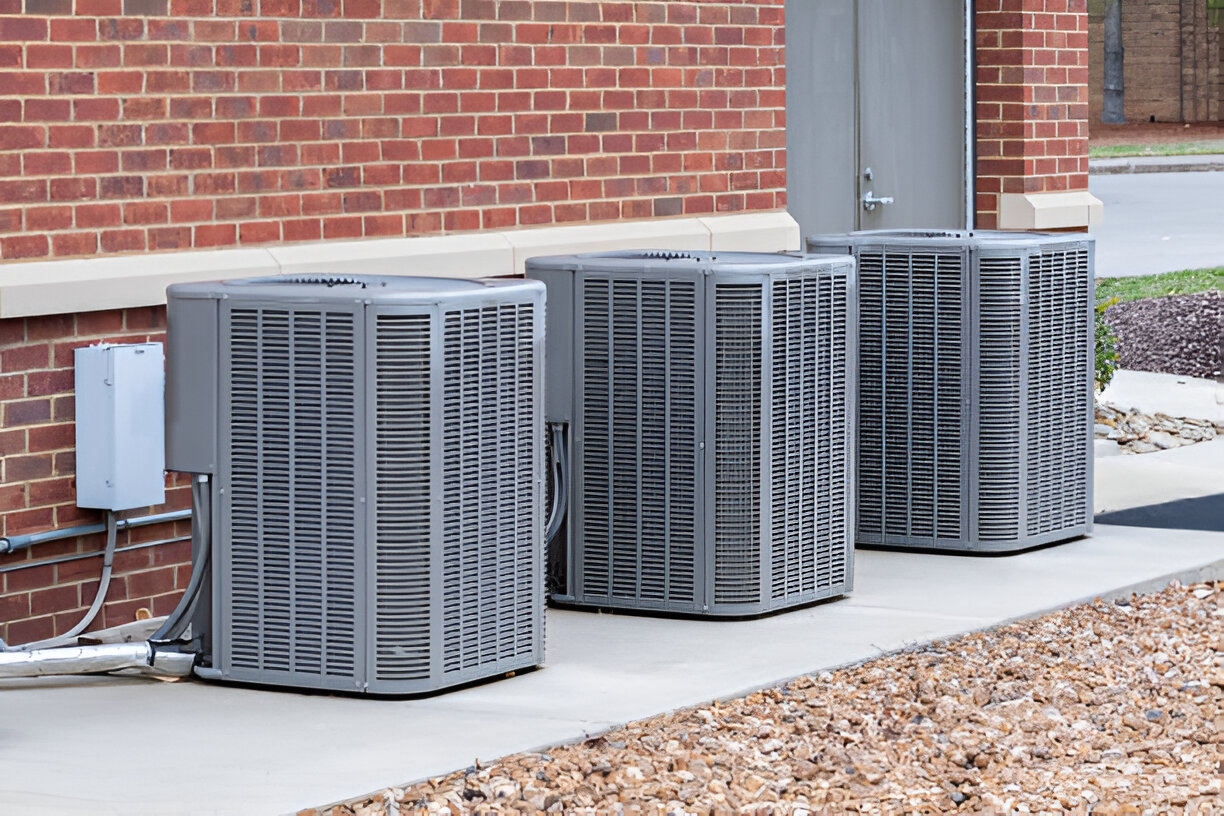
- Keep at least 2 feet of clearance around outdoor condensers; clear vegetation and debris after yard work.
- Shade outdoor units when possible without blocking airflow to reduce run time and improve efficiency.
- Use a programmable or smart thermostat to reduce runtime when the home is unoccupied.
- Monitor humidity and use dehumidification strategies if persistent dampness or mold appears.
Benefits of ongoing maintenance
Regular AC maintenance in Lake Nona delivers clear advantages: better comfort, fewer emergency repairs, longer equipment life, improved efficiency, and stronger warranty protection. For homes in humid, storm-prone Central Florida, proactive care is the most reliable way to avoid costly mid-summer failures and keep indoor air quality healthy.
Maintenance Plan
Heat Pump/ AC Tune-Up

Furnace Tune-Up
Customer Testimonials