



AC Maintenance in Montgomery County, TX



Keeping your air conditioning running reliably through Montgomery County summers requires more than reactive repairs. Regular, professional air conditioning maintenance prevents breakdowns during heat waves, lowers monthly cooling costs, and extends equipment life.
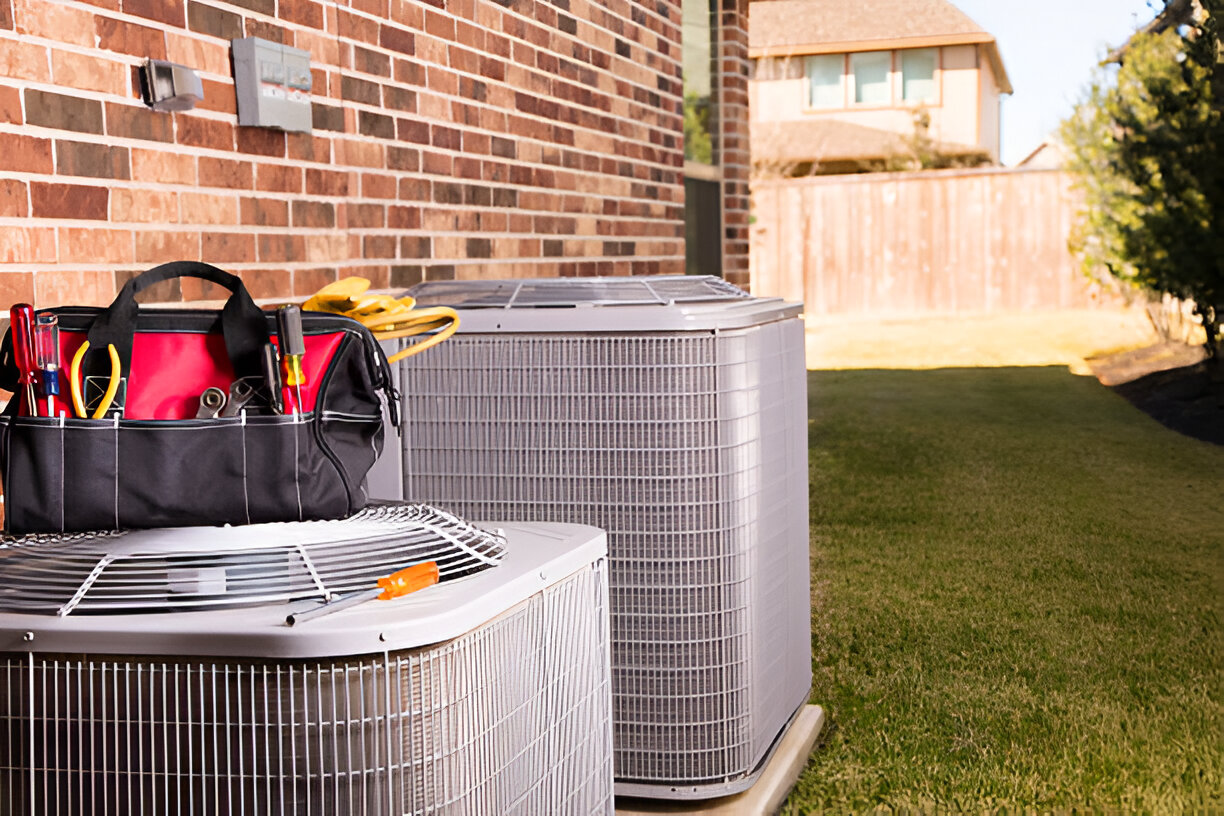
Why scheduled AC maintenance matters in Montgomery County, TX
Montgomery County experiences long, hot, humid summers with frequent high humidity, heavy pollen seasons, and occasional severe storms. Those conditions increase system runtime and stress components like compressors and capacitors, accelerate coil and filter clogging, and promote condensate and mold issues. Routine maintenance:
- Reduces the chance of mid-summer failures when demand is highest
- Keeps humidity control efficient for improved comfort and indoor air quality
- Helps systems operate at designed efficiency, lowering electric bills during peak months
Common AC problems we see in Montgomery County homes
- Dirty evaporator and condenser coils that reduce cooling capacity and increase run time
- Clogged condensate drains that cause water leaks and potential microbial growth
- Low refrigerant from slow leaks leading to poor cooling and frozen coils
- Worn capacitors, contactors, and motors failing under prolonged heat stress
- Restricted airflow from dirty filters or duct issues causing short cycling and uneven cooling
- Debris and leaves around outdoor units after storms that limit airflow
Understanding these common failures helps homeowners prioritize preventive care before a minor issue becomes an emergency.
What a seasonal maintenance plan includes
A well-structured maintenance agreement provides predictable, documented care across seasons. Typical elements include:
- Scheduled seasonal visits (spring pre-cool and fall pre-heat inspections)
- A thorough, written maintenance checklist delivered after each visit
- Priority scheduling for service calls during high-demand periods
- Verification of thermostat settings and calibration for accurate control
- Basic filter checks and guidance on replacement frequency for your home’s occupancy and pets
Plans are designed to reduce emergency repairs, maintain efficiency, and preserve warranty compliance for many manufacturers.
Detailed inspection and cleaning process
During each scheduled visit, technicians follow a step-by-step diagnostic and cleaning workflow to restore optimal performance:
- Visual safety inspection of panels, wiring, and components
- Clean and inspect condenser and evaporator coils to improve heat transfer
- Check refrigerant level and pressures; identify signs of leaks if levels are low
- Inspect and clear the condensate drain and pan to prevent backups and mold
- Measure airflow and static pressure; clean or recommend duct attention when needed
- Inspect blower assembly, motor bearings, belts (if applicable), and lubricate moving parts
- Test capacitors, contactors, relays, and electrical connections for heat-related wear
- Confirm thermostat operation and temperature split to ensure correct cooling performance
- Provide a documented checklist and performance notes, including recommended repairs
These checks follow industry best practices and are adapted to our local climate realities in Montgomery County.
How maintenance reduces costs and extends equipment life
Regular maintenance delivers measurable savings and asset protection:
- Improved efficiency reduces runtime and electrical consumption, lowering monthly bills
- Early detection of weak components prevents costly compressor failures and refrigerant losses
- Clean coils and proper refrigerant charge maintain rated cooling capacity, preventing overwork
- Routine lubrication and electrical tightening reduce wear and avoid premature motor and control failures
- Documented maintenance history helps preserve manufacturer warranties and supports resale value
Over time, disciplined maintenance can add several years of reliable service to an AC system, deferring costly replacements.
Priority scheduling and service agreements
A formal maintenance agreement gives homeowners advantages beyond routine tune-ups:
- Priority scheduling during heat waves and high-demand periods to minimize downtime
- A single, consistent service record that documents each visit and work performed
- Clear scope so you know what is inspected, cleaned, and what would require separate repair authorization
- Options for different levels of coverage to match older systems or high-efficiency new equipment
These program features are designed for peace of mind for households that depend on consistent cooling.
Enrollment steps and what to expect
- Choose the plan level that matches your system age and household needs.
- Schedule the initial inspection and first seasonal visit at a convenient time.
- Receive a written maintenance agreement outlining visits, priority terms, and checklist items.
- Technician completes the first visit and provides a documented report with any recommended repairs.
- Seasonal visits occur per the agreement, with priority response if issues arise between visits.
Each step ensures transparency and clear expectations so maintenance becomes a hassle-free part of homeownership.
Homeowner tips between professional visits
- Replace or check filters monthly during heavy-use months and at least every 90 days otherwise.
- Keep at least 2 feet of clearance around outdoor units; remove leaves and debris after storms.
- Use programmable or smart thermostats to reduce unnecessary runtime while away.
- Inspect duct registers for dust buildup and check attic or crawlspace ducts if cooling is uneven.
- Schedule service before the hottest months to verify your system handles peak load reliably.
FAQs
Q: How often should I have professional AC maintenance in Montgomery County, TX?
A: Most homes benefit from professional inspection and tune-up at least once a year; homes with heavy use, allergies, pets, or older systems should schedule two seasonal visits per year.
Q: What does the documented maintenance checklist include?
A: The checklist typically records coil condition, refrigerant check, electrical test results, airflow and temperature measurements, condensate drain status, filter condition, and any service recommendations.
Q: Will regular maintenance prevent all breakdowns?
A: Maintenance greatly reduces the risk of unexpected failures and identifies problems early, but it cannot eliminate every possible issue, especially after extreme weather or sudden component failures.
Q: Does maintenance cover repairs or parts replacement?
A: Maintenance agreements usually cover inspections and tune-ups. Repairs and parts replacements are quoted separately; the documented service report will outline needed work and options.
Q: Is maintenance recommended for older AC systems?
A: Yes. Older systems often benefit most from regular maintenance because it helps improve efficiency, reduce emergency failures, and gives clarity on whether repair or replacement is the better long-term decision.
Maintenance Plan
Heat Pump/ AC Tune-Up

Furnace Tune-Up
Customer Testimonials