



AC Repair in Montgomery County, TX



Keeping your home comfortable during Montgomery County summers means reliable air conditioning. With long, hot, humid months and frequent afternoon storms, AC systems here work harder and fail faster than in milder climates.
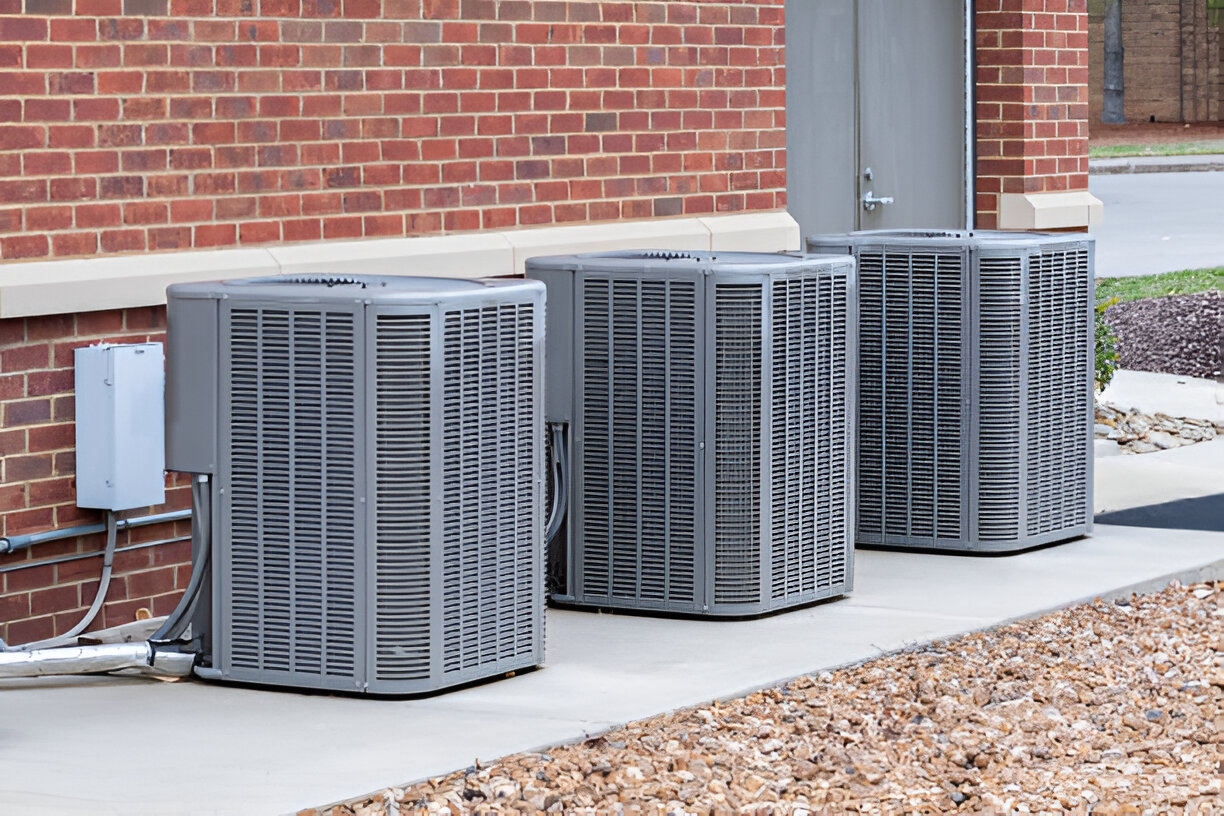
Why timely AC repair matters in Montgomery County, TX
High outdoor temperatures and high humidity increase run time and stress on compressors, capacitors, and electrical components. That extra load often turns minor faults into major failures. Quick repairs restore comfort, prevent secondary damage (frozen evaporator coils, water leaks, mold growth), and reduce energy bills. In this climate, addressing problems early preserves system life and indoor air quality.
Common AC failure modes in Montgomery County
- Insufficient cooling or no cooling
Causes: low refrigerant, compressor failure, thermostat issues, clogged air filters, or restricted airflow from dirty coils or ductwork. - System short-cycling (turning on and off frequently)
Causes: improper refrigerant charge, failing capacitor, overheating compressor, or thermostat placement. - Frozen evaporator coil
Causes: low refrigerant, poor airflow from dirty filter or blocked returns, or failing blower motor. - Refrigerant leaks
Typical in older lines, evaporator coils, or fittings; leaks reduce cooling capacity and increase runtime. - Electrical failures
Failed capacitors, contactors, relays, control boards, and damaged wiring—often worsened by summer storms and power surges. - Strange noises or vibrations
Worn bearings, loose panels, failing fan motors, or compressor issues. - Condensate drain backups and water leaks
Clogged drains or damaged drain pans that create water damage and mold risk.
Step-by-step diagnostic procedure
A methodical diagnostic approach reduces unnecessary parts replacement and pinpoints root causes.
Initial information gathering
- Confirm symptoms, duration, and any recent events (storms, power outages).
- Ask about recent maintenance history and any unusual noises or smells.
Visual inspection
- Check outdoor unit condition, debris, bent fins, and signs of oil or refrigerant stains.
- Inspect air handler, filters, duct access, and condensate drain for obstructions or leaks.
System operation checks
- Verify thermostat settings, call for cooling, and observe sequence of operation.
- Measure airflow at registers and listen for abnormal sounds.
Electrical evaluation
- Test voltage and amp draw on compressor and fan motors.
- Inspect capacitors, contactors, fuses, and control relays for wear or heat damage.
Refrigerant and pressure testing
- Read system pressures with gauges and compare to expected pressures for ambient conditions.
- Look for pressure imbalance indicating low charge or restriction.
Leak detection and further diagnostics
- Use electronic leak detectors, UV dye, or soap testing to locate refrigerant loss.
- If compressor suspected, test start components and locked-rotor amperage.
Report and recommended repairs
- Present clear findings, explain root cause, and outline repair options and parts needed.
Refrigerant leak detection and repair
Refrigerant issues are common in Montgomery County systems that endure high run times and older refrigerant lines.
- Detection methods
- Electronic leak detectors for trace refrigerant, UV dye when appropriate, and visual inspection for oil stains.
- Pressure testing and evacuating sections to verify integrity.
- Repair approach
- Small accessible leaks: repair or replace the leaking section and perform a pressure and vacuum test.
- Major leaks or corroded coils: evaluate cost-effectiveness of coil or condenser replacement versus repair.
- After repairs: evacuate the system to remove moisture, test holding vacuum, and recharge to manufacturer-specified charge using proper refrigerant type.
- Compliance and safety
- Refrigerant work follows EPA requirements and best practices to prevent environmental release and ensure proper charge.
Compressor, capacitor, and electrical fixes
Electrical component failures are frequent after heavy use and storm-related power events.
- Capacitors and contactors
- Capacitors lose capacity over time and cause start/run failures; measured with a meter and replaced when out of tolerance.
- Contactors with pitting or welding are replaced to restore reliable control.
- Compressor issues
- Locked or overheating compressors may require start kit components, compressor replacement, or system assessment if refrigerant problems caused damage.
- Compressor replacement includes assessing oil and filter-drier compatibility and ensuring proper refrigerant type and charge.
- Control and wiring repairs
- Replace damaged control boards, thermostatic elements, or wiring bundles; secure connections to prevent intermittent faults.
Parts replacement policies and warranty handling
- Parts selection
- Recommend OEM parts for longevity and warranty compliance; aftermarket options discussed when appropriate.
- For older systems, weigh repair vs replacement in terms of efficiency and expected remaining life.
- Warranty considerations
- Manufacturer part warranties and any existing labor warranties should be documented and respected.
- Repairs that involve covered parts typically require proof of purchase and system serial numbers; technicians can document needed information for warranty claims.
- Documentation
- Provide clear service records listing failed components, diagnostics, replaced parts, and test results to support any warranty or future maintenance needs.
Emergency and after-hours response
Montgomery County homeowners often need fast responses when the heat is extreme or systems fail overnight.
- Typical emergency response expectations
- Emergency repair services prioritize safety issues (no cooling with elderly or infants at home, electrical hazards, major leaks) and severe system failures.
- After-hours work follows safety protocols for technicians and homeowners, including diagnostic triage to limit further damage until full repair can be completed.
- Stabilization vs full repair
- In some cases, technicians perform temporary stabilization (e.g., replace a capacitor, clear a clog, bypass a short) to restore basic operation until full replacement parts are available.
How prompt repairs are scheduled and prepared for
To make repairs efficient and reduce repeat visits, customers should be prepared with information and access.
- Information to have ready
- System make/model and serial number if available, recent service history, detailed symptom description, and whether the issue is intermittent or constant.
- What to expect at the appointment
- A technician will perform the diagnostic steps listed above, present findings, and explain repair options with expected timelines for parts and labor.
- In humid Montgomery County conditions, technicians often inspect both indoor and outdoor components and verify drain and airflow issues that can worsen after a repair.
Maintenance Plan
Heat Pump/ AC Tune-Up

Furnace Tune-Up
Customer Testimonials