



AC Repair in Orange County, FL
Air conditioning repair in Orange County, FL—fast, expert service for diagnosis, repairs, and emergency readiness. Schedule now for same-day help.



Keeping your home comfortable year-round in Orange County, FL means reliable air conditioning service that responds quickly, diagnoses correctly, and fixes the real problem the first time. With hot, humid summers, frequent thunderstorms, and heavy seasonal use, HVAC systems in Orange County face stress that accelerates wear.
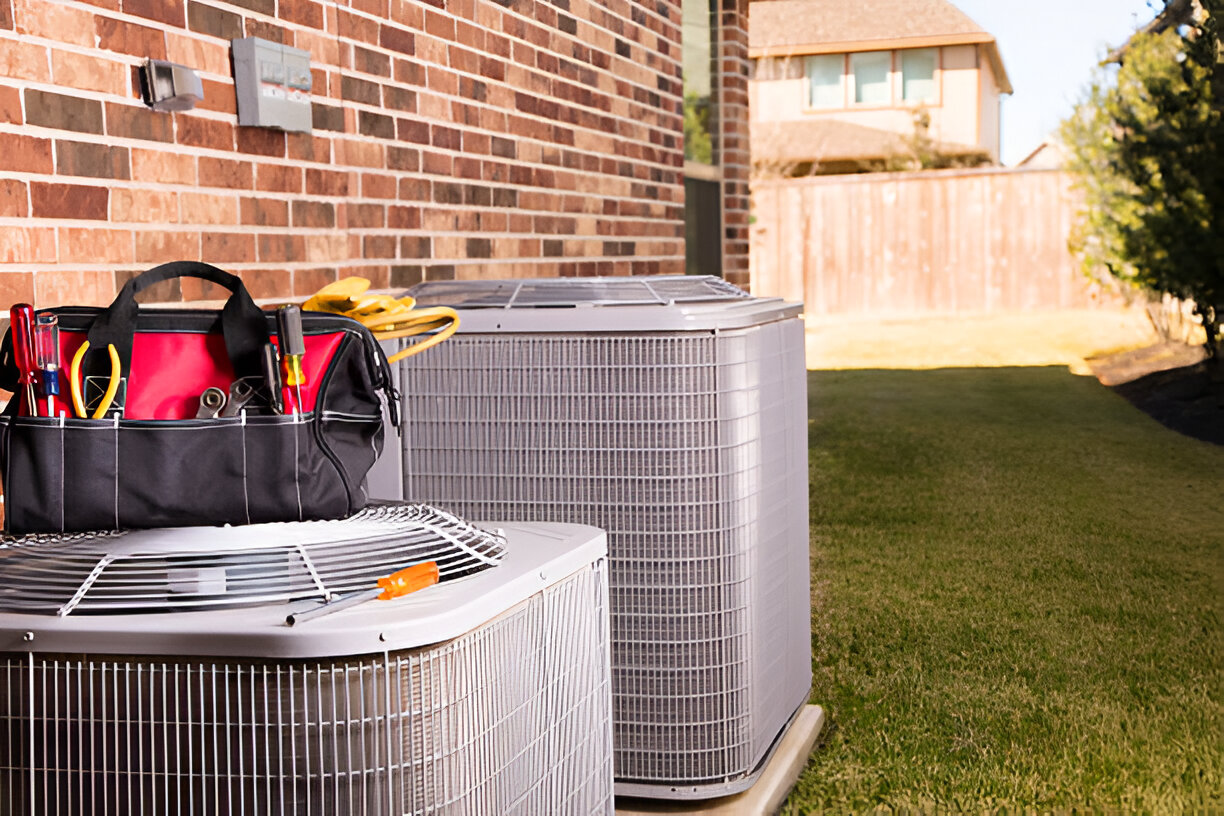
Why prompt AC repair matters in Orange County, FL
- High humidity raises indoor cooling load and increases runtime, which accelerates wear on compressors, motors, and electrical components.
- Frequent summer storms and occasional power surges increase the risk of electrical faults.
- Coastal and near-coastal properties are at higher risk of outdoor-unit corrosion.Timely repairs restore comfort, prevent secondary damage (like mold from clogged drain lines), and reduce energy costs caused by failing components.
Common AC failure modes in Orange County homes
- Compressor failure
- Symptoms: warm air, loud humming or clattering from outdoor unit, frequent tripping of breakers.
- Causes: age, refrigerant-related stress, electrical faults, or lack of lubrication.
- Refrigerant leaks
- Symptoms: gradual loss of cooling, ice on evaporator coil, higher suction pressures.
- Causes: corroded lines, failed brazed joints, or factory defects.
- Electrical faults
- Symptoms: intermittent operation, breaker trips, dead system.
- Causes: failed capacitors, contactors, wiring degradation from heat or rodents, storm-related surges.
- Thermostat and control issues
- Symptoms: system won’t turn on/off correctly, incorrect temperature readings.
- Causes: miscalibration, battery failures, wiring faults, or smart thermostat setup errors.
- Airflow problems
- Symptoms: poor cooling in rooms, frozen coils.
- Causes: clogged filters, dirty coils, failing blower motor or blocked ducts.
- Drainage and condensate issues
- Symptoms: water leaks, overflow switch trips.
- Causes: clogged condensate lines, algae buildup, damaged drain pans.
Typical diagnostic workflow used by technicians
- Initial triage (phone or arrival): collect symptoms, recent events (storms, power outages), and system history.
- Safety checks: confirm system power, inspect breakers and disconnects, and check for electrical hazards.
- Visual inspection: outdoor unit, refrigerant lines, condenser coil, indoor coil, drain and filter condition.
- Airflow measurement: inspect filters, blower operation, and duct pathways.
- Electrical diagnostics: test capacitors, contactors, fuses, and motor currents with multimeters/amps.
- Refrigerant system tests: measure pressures and temperatures, check for leaks with electronic detectors or dye if needed.
- Thermostat and control verification: ensure correct settings, calibration, and wiring integrity.
- Report and estimate: technician explains findings, outlines repair options, and clarifies warranty implications.
Emergency response and expected response times
- In Orange County, technicians typically offer different priority levels. For life-safety or complete system failure on extreme heat days, expect priority or emergency service—many local providers aim for same-day response or a few-hour window during peak season.
- Non-emergency repairs (reduced cooling, minor electrical faults) are commonly scheduled within 24 to 72 hours.
- Response times depend on technician availability, weather events (storms and hurricanes increase demand), and parts availability for older systems.
Troubleshooting steps homeowners can try safely
- Check the thermostat: confirm mode is set to COOL and setpoint is lower than room temperature; replace batteries if present.
- Inspect and replace a dirty air filter: a clogged filter can cause poor airflow and frozen coils.
- Look at the outdoor unit: clear debris, leaves, or grass that block airflow; ensure the unit is upright and secure after storms.
- Check the breaker and outdoor disconnect: reset if tripped; if it trips again immediately, stop and call a technician.
- Do not open access panels or attempt refrigerant repairs yourself; handling refrigerant requires licensed technicians.
Repair guarantees and warranty handling
- Two warranty types commonly apply: manufacturer parts warranties (varies by part and model) and service or workmanship guarantees provided by the repair contractor.
- When a repair involves a parts warranty, technicians will document the issue, record model/serial numbers, and submit claims on your behalf if they are an authorized service center. Keep invoices and service records handy for claims.
- Workmanship guarantees often range from a short-term 30-day period to longer 1-year coverage depending on the contractor. Confirm in writing what is covered (labor vs. parts) and any conditions that could void a warranty (improper maintenance, unauthorized modifications).
When to repair versus replace
Consider replacement when:
- The system is older than 10 to 15 years and uses outdated refrigerant (R22) or has frequent breakdowns.
- Estimated repair cost is approaching half the value of a new, more efficient system.
- A major component failure occurs (like a failed compressor) combined with other symptoms such as rusted coils, repeated leaks, or poor efficiency.
- You want higher seasonal efficiency (higher SEER) to lower electric bills in Orange County’s long cooling season.Repair is often sensible when:
- The fault is isolated (a fan motor, capacitor, or thermostat) and the rest of the system is in good condition with recent maintenance.
- The repair restores expected efficiency and the remaining expected life of the system justifies the investment.
Preventive maintenance and longer-term benefits
- Schedule seasonal tune-ups to clean coils, check refrigerant levels, tighten electrical connections, and verify airflow. Regular maintenance reduces emergency calls and extends equipment life.
- Replace filters regularly, keep the outdoor unit clear, and install a programmable or smart thermostat for better runtime control.
- During hurricane season, secure and protect the outdoor unit and consider surge protection to reduce electrical-damage risk.
Maintenance Plan
Our comprehensive 21-point Tune-up maintenance plan ensures your systems run smoothly year-round, with regular check-ups and priority support.
Heat Pump/ AC Tune-Up
Our Heat Pump/AC Tune-Up ensures peak performance by cleaning coils, checking refrigerant, lubricating parts, and inspecting electrical components. This boosts energy efficiency, extends system life, prevents breakdowns, and lowers utility bills while maintaining optimal home comfort year-round.
Sign Up Today!

Check And Adjust Thermostat As Needed
Check Filter; Replace/Wash As Needed
Check Voltages
Check All Wiring And Connections
Check Starting Contractor
Check All Capacitors
Measure All Motor Amperages
Check Operation of Unit Safety Controls
Check Superheat/Hot Gas Temperature
Check Refrigerant; Charge As Needed
Check Evaporator Condition; Clean As Needed
Check For Rubbing Refrigerant Lines
Check And Clean Condenser Coil
Check Air Temperature Across Evaporator Coil
Lubricate Any Moving Parts
Check Fan Blades For Cracks
Check Condenser Temperature Rise
Check Condensate Drain Or Pump
Check Fuse Disconnects
Check Condition of Ductwork
Wax Top Of Unit
Furnace Tune-Up
Our Furnace Tune-Up optimizes heating efficiency through coil cleaning, burner inspection, airflow checks, and safety control testing. This service prevents costly repairs, enhances fuel efficiency, extends equipment lifespan, and ensures reliable warmth during cold months.
Sign Up Today!
Check And Adjust Thermostat As Needed
Check Filter; Replace/Wash As Needed
Check For Gas Leaks At Furnace
Clean Burners And Controls
Check Safety Controls; Adjust As Needed
Check Flame Sensors
Clean Equipment Interior
Check Fan Control
Check Blower Speed And Operation
Check All Wiring And Connections
Check Connection Of Flue Pipe and Draft Diverter
Check Ignition System
Check Heat Exchanger
Check Complete Furnace Cycle
Lubricate All Moving Parts
Check Pressure Switches And Vent Blower/Draft Inducer
Check Temperature Of Vent Air
Check Air Temperature Across Furnace
Check Condition Of Ductwork
Measure Carbon Monoxide
Clean Equipment Exterior
Customer Testimonials
Discover why our customers love us through their heartfelt testimonials.