



AC Replacement in Montgomery County, TX



When your home’s cooling is no longer reliable or efficient, full-system air conditioning replacement restores comfort, lowers energy bills, and protects indoor air quality. In Montgomery County, TX, long, humid summers and frequent high temperatures put heavy demand on HVAC systems. Replacing aging or undersized equipment with a properly matched, high-efficiency system reduces runtime, improves dehumidification, and avoids repeated repair costs that often come with older units.
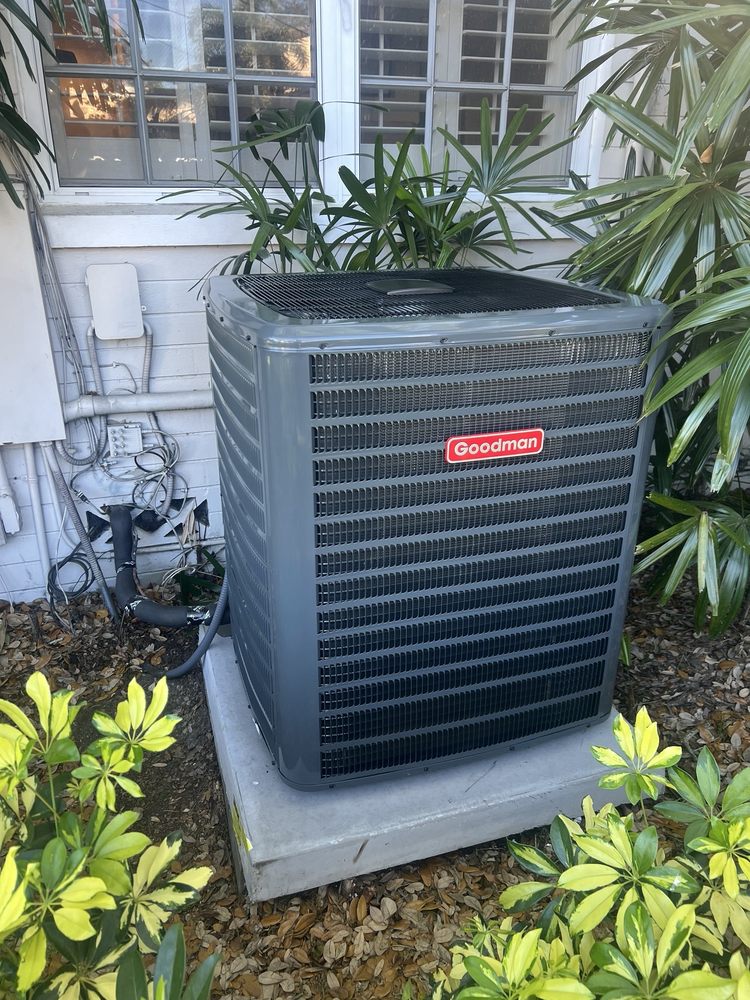
Common signs an AC should be replaced
If you see any of these in your Montgomery County home, replacement is likely the more cost-effective choice than repair:
- Age 12 years or older, especially if original refrigerant is R-22 (now phased out and costly to recharge).
- Frequent breakdowns or rising repair bills over time.
- Poor cooling or uneven temperatures across rooms despite working fans and vents.
- Unusual noises or excessive vibration, indicating compressor or major component failure.
- Rising utility bills without a change in thermostat settings or occupancy.
- Indoor humidity problems—system runs continuously but still feels humid.
- Rust, oil stains, or refrigerant leaks on outdoor or indoor components.
Evaluation and equipment recommendations
A professional replacement begins with a detailed evaluation tailored to Montgomery County homes:
- Load calculation (Manual J) to size equipment accurately based on home square footage, insulation, windows, and attic conditions.
- Duct inspection and testing to find leaks, poor insulation, or balance issues that undermine efficiency.
- Assessment of electrical capacity and panel needs for modern high-efficiency equipment.
- Indoor air quality considerations: upgraded filtration, UV coil treatment, or whole-house dehumidification if humidity is a primary issue.
Equipment recommendations prioritize a matched system: outdoor condenser, indoor coil and air handler, and thermostat chosen to work together. For Montgomery County, recommended features often include:
- Higher SEER ratings (14–20+) for lower long-term energy use in a long cooling season.
- Two-stage or variable-speed compressors for better humidity control and quieter operation.
- Corrosion-resistant coatings and robust condensers to withstand humid conditions.
- Properly sized heat pumps as an efficient alternative where applicable.
Efficiency and cost-savings comparisons
Replacing an old low-SEER unit with a modern high-SEER system typically yields noticeable savings:
- Typical energy reduction ranges from 20% to 40%, depending on previous system efficiency and household usage patterns.
- Variable-speed systems and properly sealed ducts further improve comfort and reduce runtime, translating to steady monthly savings.
- Payback periods vary by usage, local utility rates, and any available incentives, but many homeowners see meaningful savings within several years while gaining increased home comfort and resale value.
Removal and disposal of old units
Proper disposal protects your home and complies with environmental regulations:
- Refrigerant recovery and handling follow federal guidelines to prevent releases.
- Old equipment is drained, disconnected, and removed from the site safely.
- Metal and components are recycled when possible; hazardous materials are disposed of according to law.
- Disposal logistics account for Montgomery County permit or municipal requirements where applicable.
Typical installation timeline and process
Installation time depends on system complexity and any duct or electrical upgrades. A standard full-system replacement usually follows this flow:
- Site preparation and removal of the old system.
- Ductwork repairs or modifications if needed.
- Installation of the new outdoor condenser and indoor coil/air handler.
- Electrical connections, line-set installation, and refrigerant charging.
- System startup, balancing, and performance testing.
- Homeowner walkthrough for operation, thermostat setup, and warranty registration.
Most straight-forward replacements complete in one to two days. Jobs that require duct replacement, attic work, or electrical upgrades may take longer.
Promotions, incentives, and financing options
Homeowners in Montgomery County may have access to several cost-reduction options to make replacement more affordable:
- Manufacturer or seasonal promotions that reduce upfront cost on qualifying models.
- Financing options including installment plans or low-interest offers to spread payments.
- Utility rebate programs and local incentives for high-efficiency equipment or heat pumps.
- Federal or state tax credits may apply for certain energy-efficient installations during qualifying periods.
Ask about program eligibility and documentation requirements before purchase to maximize available savings. Proper equipment selection and energy modeling will help determine which incentives apply.
Warranty transfer and registration
New systems come with manufacturer warranties for parts and, sometimes, the compressor. Key points to protect warranty coverage:
- Register the equipment with the manufacturer within the required timeframe after installation.
- Keep detailed service records; many warranties require regular professional maintenance to remain valid.
- Some warranties are transferable to a new homeowner, increasing resale value—confirm transfer terms and any associated fees.
- Consider extended or labor warranties if available for added long-term protection.
Recommended maintenance after replacement
To preserve efficiency and warranty coverage, adopt a maintenance plan tailored for Montgomery County conditions:
- Schedule annual professional tune-ups (spring recommended) including a 21-point inspection: refrigerant level, electrical, coils, drain lines, and system calibration.
- Change or clean filters monthly or per manufacturer guidance to maintain airflow and indoor air quality.
- Keep outdoor units clear of debris, vegetation, and direct exposure to sprinkler runoff to prevent corrosion.
- Use thermostat programming and ceiling fans to reduce runtime and improve comfort.
- Monitor humidity; if your home remains humid, consider a whole-house dehumidifier or variable-speed system to improve comfort.
Benefits of replacing your AC now
A properly planned and executed replacement improves comfort, reduces energy costs, and limits emergency repairs—especially valuable in Montgomery County’s long cooling season. Replacing an outdated system also enhances indoor air quality, supports more consistent temperatures across living spaces, and can boost your home’s market appeal while unlocking available incentives.
Maintenance Plan
Heat Pump/ AC Tune-Up

Furnace Tune-Up
Customer Testimonials