



AC Replacement in Orange County, FL



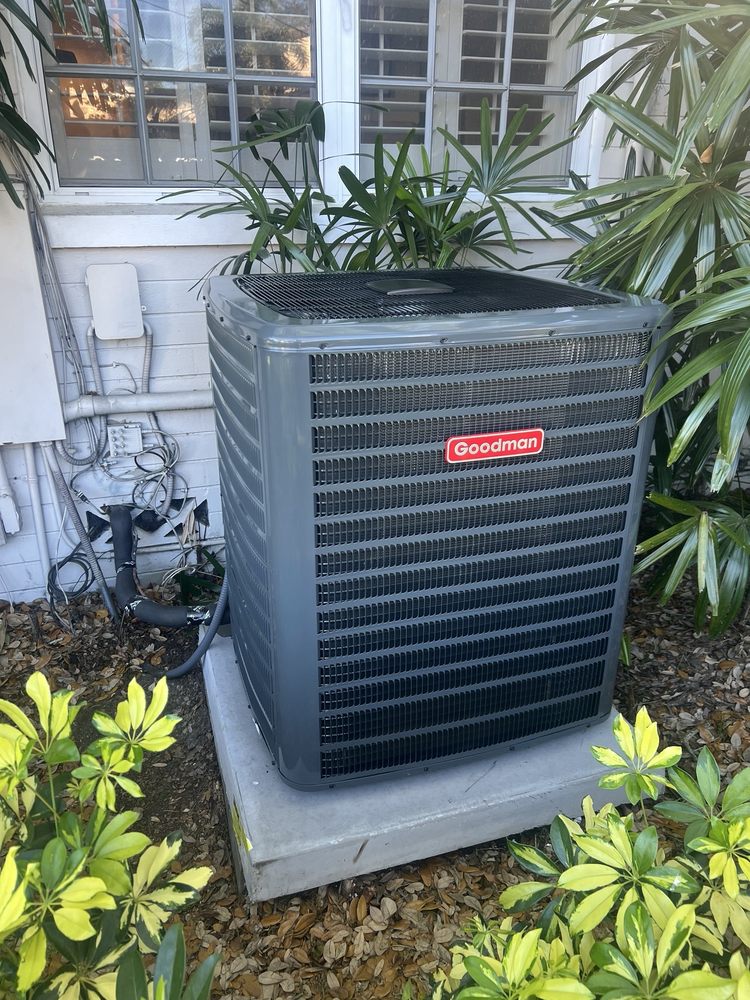
Replacing an aging or failing air conditioner is one of the most impactful upgrades you can make for comfort, indoor air quality, and monthly energy costs in Orange County, FL. With long, humid summers, frequent thunderstorms, and rising energy rates, a properly sized, modern system improves comfort while reducing strain on electrical service and ductwork.
Why Orange County homes need timely AC replacement
Orange County’s hot, humid climate forces AC systems to run longer and harder than many other regions. High run-times accelerate wear on compressors, coils, and fans. Older systems also often use phased-out refrigerants or have low SEER ratings that make them costly to operate. Replacing an inefficient or unreliable unit not only restores comfort but can reduce humidity problems that lead to mold and building envelope damage in this climate.
Common signs your system needs replacement
If you notice one or more of the following, replacement deserves serious consideration rather than repeated repairs:
- Frequent breakdowns or costly repairs — repeated compressor, coil, or refrigerant issues.
- Age over 10–15 years — older equipment is less efficient and more likely to fail.
- Rising energy bills without a change in usage patterns.
- Uneven cooling or persistent hot spots despite recent repairs.
- Excessive humidity indoors or long run cycles without reaching set temperature.
- R-22 refrigerant presence — phased-out refrigerants are expensive to recharge and signal an end-of-life system.
- Strange noises or leaking refrigerant/condensate that indicate major component failure.
- Visible rust, corrosion, or oil stains around the outdoor unit.
Replacement options: what to compare
Choosing the right replacement depends on your home layout, budget, and long-term energy goals. Key options include traditional split systems, high-efficiency heat pumps, and ductless mini-splits. Compare these factors:
- Efficiency (SEER/HSPF)
- Higher SEER units deliver measurable energy savings in Orange County’s long cooling season. Newer systems commonly range from mid to high teens SEER up to 25+ SEER for premium models.
- Heat pumps provide both cooling and heating efficiently for Florida’s mild winters and can be especially economical when paired with higher SEER ratings.
- System type and zoning
- Central split systems are common for homes with existing ductwork.
- Ductless mini-splits suit additions, garages converted to living space, or homes with poor ductwork and allow room-by-room zoning.
- Consider zoning or multiple indoor units to balance loads in larger or multi-level homes.
- Sizing and load calculation
- Proper sizing is critical. Oversized systems short-cycle and underperform; undersized units struggle during peak heat. A Manual J load calculation (accounting for insulation, windows, occupancy, and local solar exposure) determines correct capacity for Orange County conditions.
- Cost drivers (without specific prices)
- Unit efficiency and features, system capacity, ductwork repair or replacement, electrical upgrades, permitting, and refrigerant type all influence total replacement cost.
- Accessibility of the outdoor unit and indoor plenums, structural work for new equipment, and required code upgrades (e.g., SEER minimums or electrical disconnects) also affect labor time and expense.
Removal and disposal of old equipment
Proper removal follows safety, environmental, and code requirements:
- Refrigerant recovery: Certified technicians must recover and recycle or reclaim refrigerants per federal and state regulations. Systems using phased-out refrigerants often require special handling.
- Safe disconnect and removal: Electrical service is isolated, and refrigerant lines and condensate are properly capped.
- Disposal and recycling: Metal and non-hazardous components are recycled where available. Hazardous materials (oils, refrigerants) are processed per EPA and Florida regulations.
- Permit and inspection: Many Orange County jurisdictions require permits and final inspections for AC replacements. Professionals coordinate permits and schedule required inspections.
Typical timeline for replacement
While each job varies, these are general timelines for Orange County residential jobs:
- Pre-install assessment and load calculation: 1 visit, up to a few hours.
- Permitting (if required): can add a few days depending on local permitting timelines.
- Installation day(s): a straightforward like-for-like replacement often completes in 1 day. More complex jobs — ductwork modifications, electrical upgrades, or system conversions — can take 2–3 days.
- Final checkout and airflow balancing: included at the end of installation to confirm proper performance and thermostat calibration.
Expected performance improvements after replacement
After a properly sized and installed replacement you can expect:
- Faster cooling and more consistent indoor temperatures.
- Reduced energy consumption per BTU of cooling, which is especially valuable in Orange County’s prolonged cooling season.
- Improved humidity control with correctly sized equipment and properly sealed ductwork.
- Quieter operation and reduced maintenance frequency for several years.
- Compatibility with modern thermostats and zoning controls for improved comfort and schedule-based energy savings.
Maintenance and longevity considerations
A new system will perform optimally with routine care:
- Annual or biannual tune-ups (coils, refrigerant charge, airflow checks) extend equipment life.
- Regular filter changes and keeping outdoor units clear of vegetation improve efficiency.
- Sealing and insulating ducts in hot attic spaces in Orange County prevents significant energy loss.
- Addressing attic ventilation and shading (trees, awnings) can reduce cooling load and improve system life.
Maintenance Plan
Heat Pump/ AC Tune-Up

Furnace Tune-Up
Customer Testimonials