



AC Replacement in Oviedo, FL



Replacing an aging or failing air conditioner is one of the most impactful investments you can make for comfort and energy bills in Oviedo, FL. With long, hot summers and high humidity that demand reliable cooling, a properly selected and installed replacement AC improves indoor comfort, reduces energy use, and lowers breakdown risk during peak heat.
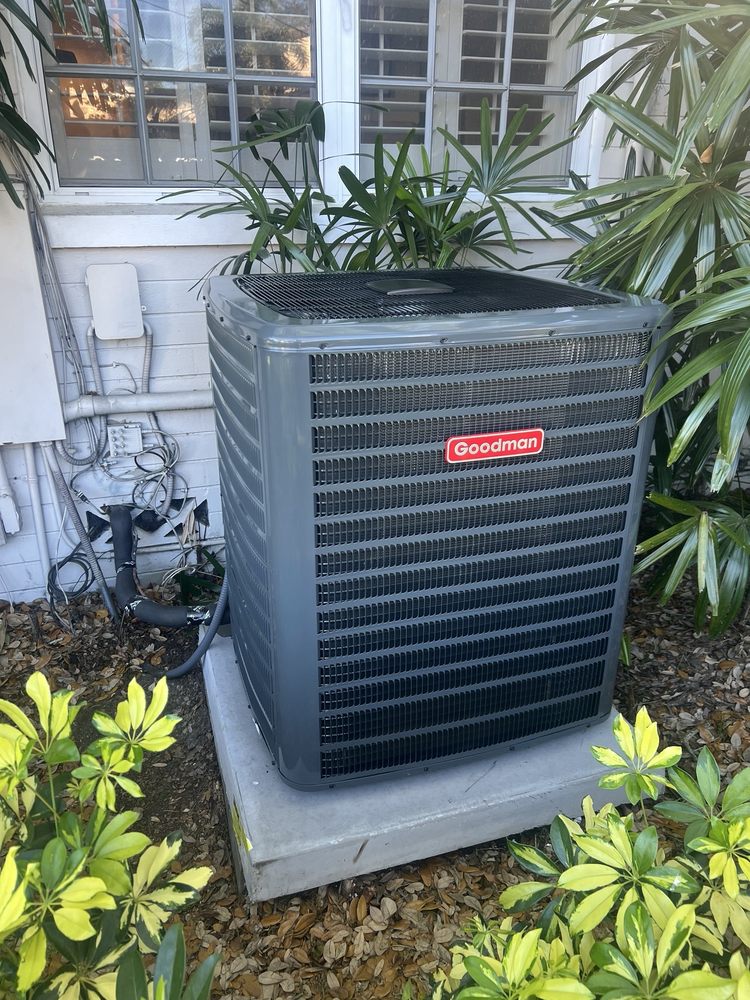
Why Oviedo homes need timely AC replacement
Oviedo’s humid subtropical climate puts continuous strain on HVAC systems. High humidity increases runtime and corrosion risk, while attic heat and frequent summer storms can shorten equipment life. Common issues that indicate replacement is the smarter choice include:
- Frequent breakdowns or rising repair bills
- Cooling unevenly, long run times, or inability to reach set temperature
- System age over 10 to 15 years (older units often use R-22 refrigerant)
- Rapid increases in energy bills with no change in usage
- Leaking refrigerant or rust and corrosion on the outdoor unit
- Furnace/air handler or ductwork in poor condition so efficiency gains are limited
If repairs are repetitive or involve obsolete parts or refrigerant, replacement typically provides better reliability and long-term value.
Benefits of upgrading to higher-SEER systems
SEER (Seasonal Energy Efficiency Ratio) measures cooling efficiency. Upgrading to a higher-SEER system offers concrete benefits especially relevant in Oviedo:
- Lower monthly energy costs: higher-SEER units use less electricity for the same cooling output
- Improved humidity control: variable-speed compressors and multi-stage systems run longer at lower capacity to remove more moisture
- Quieter operation and improved comfort with consistent temperatures
- Better performance during high outdoor temperatures common in central Florida
- Potential utility or manufacturer rebates tied to high-efficiency models
Modern systems also feature improved corrosion protection and refrigerants (R-410A and newer), which reduce maintenance headaches compared with older R-22 systems.
Equipment selection guidance
Choosing the right system is about more than picking the highest SEER. Consider these factors:
- Proper sizing: A Manual J load calculation determines correct capacity. Oversized units cycle frequently and underperform on humidity control; undersized units run constantly.
- System match: Choose a matched outdoor condenser and indoor coil/air handler to ensure rated efficiency and reliable operation.
- Compressor type: Variable-speed or two-stage compressors offer the best comfort and efficiency for humid climates.
- Ductwork condition: Inspect and seal/insulate ducts; poor ducts can negate efficiency gains.
- Thermostat compatibility: Smart or programmable thermostats improve efficiency and comfort when matched to modern systems.
- Corrosion and weather protection: For Florida, look for sound coatings and features that resist humidity and storm exposure.
An in-home assessment identifies the right capacity, duct needs, and best technology for your home and usage patterns.
Replacement process and logistics
A smooth replacement follows clear steps designed to protect your home and ensure code compliance:
- Site survey and load calculation to confirm right size and options
- Proposal that outlines equipment model, SEER, estimated timeline, and permit requirements
- Permits and inspections as required by local building codes
- Scheduled removal of the old system with safe recovery of refrigerant per EPA regulations
- Installation of new outdoor condenser, indoor coil/air handler or furnace, line set, electrical, and thermostat. Duct sealing or insulation upgrades performed if needed
- Startup, refrigerant charging, and performance testing to verify airflow, refrigerant levels, and target temperatures
- Final inspection and handing over system documentation and maintenance recommendations
Typical replacements are planned to minimize downtime. Proper refrigerant recovery and disposal of old components follow environmental regulations.
Disposal, refrigerant handling, and environmental notes
Older units may contain R-22 refrigerant that is costly to recharge and increasingly phased out. During replacement, certified technicians will recover refrigerant and recycle or dispose of it according to EPA requirements. Metal and other components are recycled when possible. Proper disposal avoids fines and environmental harm.
Cost vs long-term energy savings
Replacement cost depends on system size, SEER rating, installation complexity, and any ductwork upgrades. While higher-SEER units cost more up front, the energy savings over the system lifetime—especially in a climate with long cooling seasons like Oviedo—often offset the higher initial price. Key considerations:
- Payback horizon: Higher-SEER systems typically yield lower monthly bills; how quickly savings offset cost depends on electricity rates and usage.
- Reduced repair risk: New equipment has fewer unexpected repairs, lowering ongoing maintenance expenses.
- Resale value: A newer high-efficiency system can be a selling point in the Oviedo market.
A customized estimate with expected annual energy savings helps compare options.
Rebates and incentives
In many regions, manufacturers, utilities, or federal programs offer incentives for high-efficiency installations or ENERGY STAR systems. Availability varies over time and by program. When planning replacement, check for:
- Utility rebates for energy-efficient SEER ratings or heat pumps
- Manufacturer promotions or equipment rebates
- State or federal tax incentives for qualified high-efficiency systems
Work with a knowledgeable contractor who can identify current incentive programs and ensure documentation meets rebate requirements.
Warranty and maintenance plan recommendations
To maximize lifespan and protect your investment in Oviedo’s climate:
- Choose equipment with a solid manufacturer warranty and understand what registration is required to keep it valid
- Consider extended warranties or parts coverage for major components
- Enroll in an annual maintenance plan with at least two seasonal tune-ups; a 21-point or similar comprehensive check reduces breakdown risk and keeps efficiency high
- Maintain proper coil and filter cleanliness, and ensure refrigerant levels and electrical components are inspected annually
- Keep condensate drains and drainage areas clear to prevent mold and water damage in humid conditions
Regular professional maintenance and prompt repairs preserve efficiency and help avoid emergency failures during the hottest months.
Maintenance Plan
Heat Pump/ AC Tune-Up

Furnace Tune-Up
Customer Testimonials