



AC Replacement in Willis, TX



Replacing an aging or failing air conditioner is one of the most effective ways to restore comfort and reduce energy bills in Willis, TX homes. With long, hot, humid summers and frequent high cooling loads, older systems struggle to keep indoor temperatures and humidity under control. An informed AC replacement balances system capacity, efficiency, and indoor air quality to deliver consistent comfort, lower utility costs, and fewer emergency repairs.
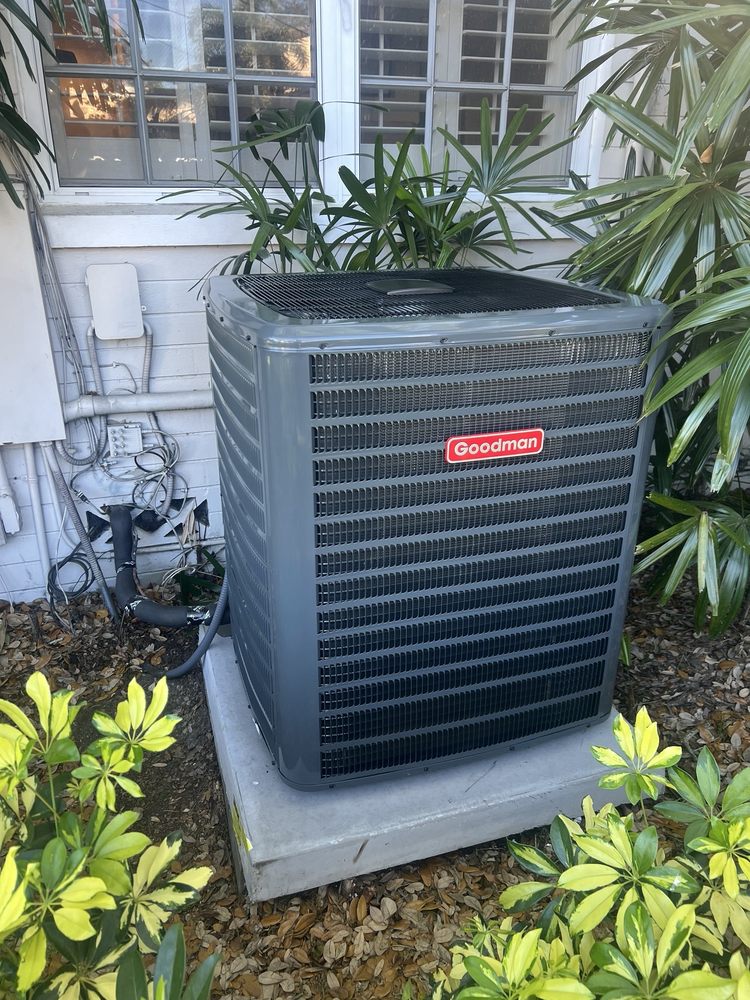
Common signs your Willis home needs AC replacement
If you recognize any of the following in your home, replacement is often the more cost-effective and reliable solution compared with repeated repairs:
- Frequent breakdowns or costly repairs — Multiple service calls in a short time usually indicate components are failing or obsolete.
- Age of the system (10–15+ years) — Most central AC units near or past this age are less efficient, use outdated refrigerants, and have worn compressors.
- Rising energy bills without usage changes — A steady increase in cooling costs often means the system is losing efficiency.
- Uneven cooling or persistent humidity — Older or improperly sized equipment commonly struggles to dehumidify, especially on humid Houston-area days.
- Strange noises or burning smells — Mechanical failures or electrical issues that aren’t resolved by repair can justify replacement.
- Refrigerant leaks or obsolete refrigerant — Units using phased-out refrigerants or that have recurring leaks should be considered for replacement due to environmental and regulatory concerns.
Replacement options and efficiency upgrades
Willis homeowners can choose from several modern solutions to match budgets and comfort goals. Key options and benefits:
- High-SEER central split systems — Moving from a low-SEER unit (10–12) to a mid- or high-SEER system (16–20+ or higher) can significantly reduce energy usage. Higher SEER models are ideal for prolonged cooling seasons in Southeast Texas.
- Heat pumps — For homes that need both cooling and efficient heating, modern heat pumps provide reliable year-round comfort and strong dehumidification in summer.
- Variable-speed and inverter-driven compressors — These adjust output to match demand, improving comfort, lowering cycling losses, and providing better humidity control.
- Right-sized systems — Proper sizing based on a Manual J load calculation prevents short-cycling, improves efficiency, and ensures even cooling in Willis homes where attic heat gain can be significant.
- Matched components — Replacing both outdoor condenser and indoor air handler/coil together ensures optimal performance and avoids compatibility issues.
- Smart thermostats and zoning — Advanced controls help tune runtime, reduce wasted cooling, and optimize energy use in multi-story or open-plan homes.
- Ductwork evaluation and upgrades — Sealing or repairing ducts reduces losses from attic or crawlspace leaks common in older Texas homes.
The air conditioning replacement process in Willis, TX
A professional replacement follows a predictable sequence to ensure safety, code compliance, and long-term performance:
- Initial inspection and load calculation — Technicians assess existing equipment, duct condition, insulation, and perform a Manual J to determine the correct system size.
- Equipment selection — Choose a unit that matches the calculated load and efficiency goals, accounting for Willis climate stresses.
- Permits and scheduling — Local permits and inspections may be required; timing is coordinated before work begins.
- Old system removal and refrigerant recovery — Refrigerant is recovered per EPA regulations, and the old unit is disconnected and removed.
- Disposal and recycling — Refrigerant, metal, and electronics are disposed of or recycled following local and federal guidelines.
- New system installation — Includes proper mounting, refrigerant line connections, electrical work, airflow setup, and duct transitions or repairs as needed.
- Start-up, testing, and balancing — Technicians measure pressures, temperatures, and airflow, then make final adjustments.
- Homeowner orientation and documentation — You receive operating tips, maintenance guidance, and manufacturer warranty information.
Typical timelines: a straightforward like-for-like replacement can often be completed in a single workday. Jobs involving duct modification, custom equipment placement, or permitting can take two to three days or longer, depending on complexity and inspection schedules.
Expected energy and cost savings
Upgrading an old AC to a modern, properly sized high-SEER system yields measurable savings:
- Efficiency gains: Upgrading from a low-SEER unit to a high-SEER model commonly reduces cooling energy consumption by 20–40% depending on usage patterns, home envelope, and local temperature/humidity.
- Improved comfort and humidity control: Variable-speed systems run longer cycles at lower output, which removes more moisture and keeps temperatures steadier—especially valuable during Willis’s humid summers.
- Reduced repair and maintenance costs: New equipment typically requires fewer emergency repairs and has warranty protection that lowers out-of-pocket expenses during the warranty period.
Actual savings vary by home size, insulation, thermostat settings, and electricity rates. Local utility rebates or federal tax incentives may be available for high-efficiency equipment or qualifying upgrades; homeowners should confirm current programs with their contractor and utility provider.
Environmental and code considerations
Replacement in Willis follows environmental and regulatory requirements:
- Refrigerant handling — Technicians must recover and recycle refrigerant per EPA rules; new systems use current approved refrigerants.
- Disposal and recycling — Old units are recycled when possible to minimize landfill waste.
- Local permitting and code compliance — Installations must meet local building codes and may require inspections.
Maintenance and expected lifespan
After replacement, routine maintenance extends system life and performance:
- Schedule annual tune-ups to check refrigerant levels, clean coils, calibrate controls, and inspect electrical components.
- Replace or clean filters regularly—monthly or per manufacturer guidance—especially during pollen season around Conroe and Lake Conroe.
- Keep outdoor coils clear of debris and vegetation to maintain airflow.
- With proper maintenance, modern systems typically last 12–15 years or longer; variable factors include usage patterns, installation quality, and local environmental stresses.
Maintenance Plan
Heat Pump/ AC Tune-Up

Furnace Tune-Up
Customer Testimonials