



AC Replacement in Winter Springs, FL



Replacing an aging or failing air conditioner is one of the most effective ways to restore comfort and reduce month-to-month energy costs in your Winter Springs home. With hot, humid summers, frequent storms, and rising efficiency standards, a timely AC replacement prevents repeated breakdowns, improves indoor humidity control, and can cut cooling energy use significantly.
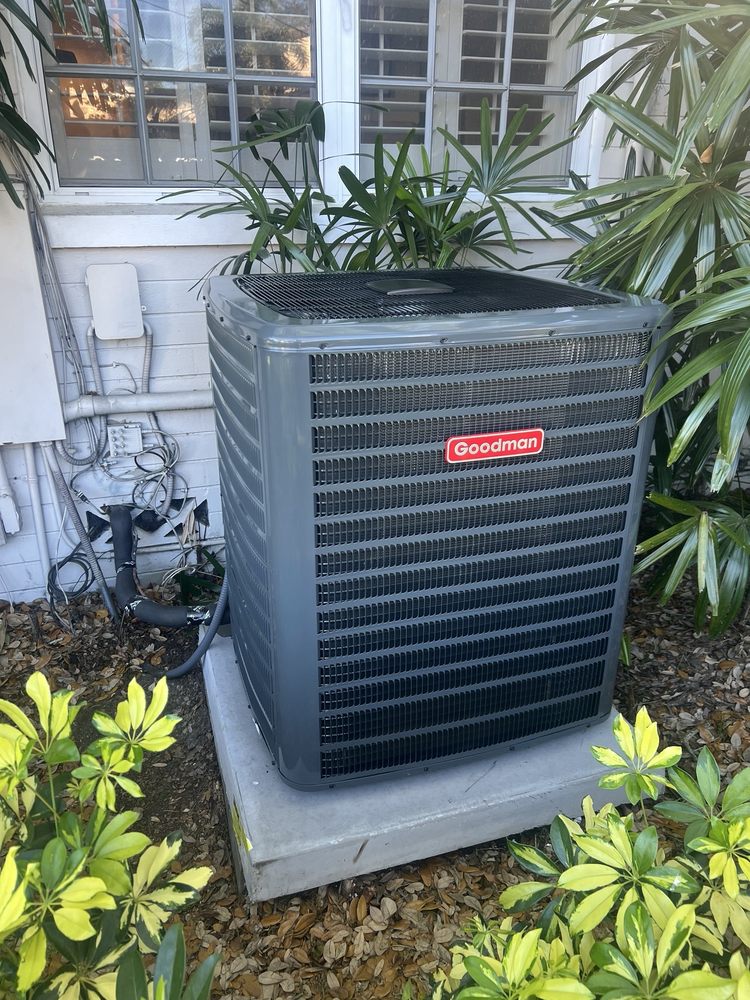
Common AC replacement triggers in Winter Springs, FL
- Frequent breakdowns or costly repairs - Repeated compressor failures, refrigerant leaks, or failing boards often mean replacement is more economical than repair.
- Age of the system - Most residential units last 10 to 15 years in Central Florida conditions; older units usually lack newer efficiency features.
- High energy bills - Older low-SEER systems use substantially more electricity during our long cooling season.
- Poor humidity control or uneven cooling - Insufficient capacity or degraded components reduce dehumidification and comfort.
- R-22 refrigerant phase-out - Systems using R-22 are increasingly expensive to recharge and are good candidates for replacement.
- Corrosion from humidity and storms - Even inland Winter Springs homes face heavy humidity and occasional storm exposure that shorten component life.
How we evaluate your existing system
Before recommending replacement, a thorough diagnostic determines why your current system underperforms and whether replacement is the best route. A typical evaluation includes:
- System age and component condition - Compressor, coils, electrical, and controls.
- Cooling load calculation (Manual J) - Proper sizing based on your home’s square footage, insulation, window exposure, and occupancy. Correct sizing prevents short cycling and poor humidity control.
- Duct inspection - Leaks, poor insulation, and improper layout can reduce performance even with a new outdoor unit.
- Refrigerant and leak checks - Identifies systemic problems and verifies refrigerant type.
- Electrical and safety review - Confirms service panel capacity, wiring, and disconnects are adequate for replacement.
- Thermostat and control compatibility - Ensures smart or staging thermostats will function with the new equipment.
Replacement options: high-efficiency units, heat pump vs conventional, and ductless
Choosing the right replacement depends on comfort goals, efficiency priorities, and budget.
- High-efficiency single-stage and multi-stage air conditioners
- Pros: Lower operating costs, improved dehumidification, quieter operation.
- Consider: Variable-speed or two-stage compressors for better humidity control during Florida summers.
- Heat pumps (air-source heat pumps)
- Pros: Provide both cooling and heating with high efficiency; ideal for Winter Springs where heating demand is modest. Heat pumps often deliver superior year-round efficiency compared to conventional AC paired with electric heat.
- Consider: Modern heat pumps with inverter technology maintain stable indoor temperatures and reduce runtime.
- Ductless mini-split systems
- Pros: Zoned control, minimal duct losses, good for additions or rooms without ductwork.
- Consider: Best when targeted zoning or retrofit options are needed.
- Efficiency and SEER considerations
Upgrading from a low-SEER unit (for example, SEER 10) to a modern high-efficiency unit (SEER 16 to 20+) can reduce cooling energy use by roughly 30 to 40 percent, though actual savings vary with home characteristics and usage. Variable-speed systems typically yield the best real-world comfort and efficiency in humid climates.
Removal, disposal, and environmental compliance
Replacement includes safe removal and responsible disposal of the old system:
- Refrigerant recovery - Certified recovery of refrigerant per EPA rules to prevent atmospheric release.
- Recycling of metals and components - Outdoor condensing units, copper, and electronics are processed through approved channels.
- Proper disposal of oils and chemicals - All hazardous materials are handled according to local and federal regulations.
- Permit and code compliance - Ensures installation meets Seminole County and Florida building codes.
Typical replacement timeline and what affects it
- Assessment and proposal - 1 visit for sizing and options.
- Scheduling and permitting - Permit timelines vary; smaller replacements often move faster.
- Installation day - Many standard single-family home replacements are completed in a single day (6 to 12 hours). Tasks include removal of old unit, setting and mounting the new condensing unit, connecting refrigerant lines, electrical, startup, and system testing.
- Complex jobs - Duct modifications, equipment on roof, custom sheet metal, or permit delays can extend the project to 1 to 3 days.
Factors that can lengthen the timeline include the need for ductwork upgrades, electrical panel work, or custom equipment lead times.
Expected improvements after replacement
- More consistent temperatures and better humidity control throughout your home in Summer Springs summers.
- Lower monthly cooling costs driven by higher SEER and variable-speed technologies.
- Quieter operation with modern compressors and sound-reducing features.
- Improved indoor air quality potential when combined with upgraded filtration or IAQ devices.
- Reliability and warranty coverage from new equipment and installation warranties.
Maintenance to protect your investment
- Annual tune-ups optimized for Florida’s climate keep efficiency high and catch issues early.
- Regular filter changes and upgraded media filters improve airflow and IAQ.
- Duct sealing and insulation reduce losses in hot attic environments.
- Smart thermostat scheduling and sensible setpoint management cut unnecessary runtime.
Proactive maintenance extends lifespan and maximizes energy savings from a new system.
Maintenance Plan
Heat Pump/ AC Tune-Up

Furnace Tune-Up
Customer Testimonials