



AC Tune-Up in Montgomery, TX



Keeping your air conditioning system running reliably through Montgomery summers starts with a professional tune-up. An Air Conditioning Tune-Up in Montgomery, TX addresses the high heat, humidity, and pollen that shorten component life and reduce efficiency. A seasonal tune-up prevents breakdowns during peak use, restores cooling performance, improves indoor comfort, and helps keep energy bills under control — especially important in homes near Lake Conroe and across Montgomery County where long cooling seasons are the norm.
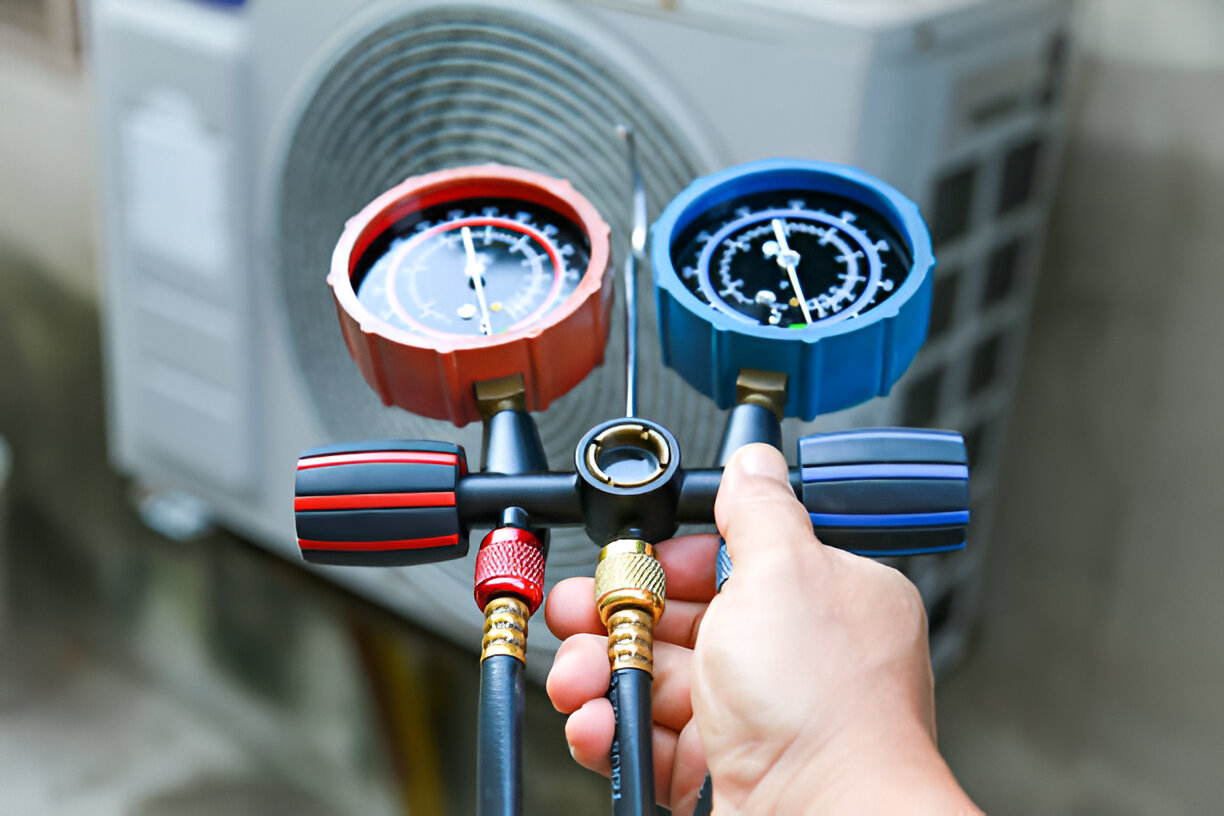
Why a tune-up matters for Montgomery homes
- Montgomery’s hot, humid summers and frequent storms put extra stress on condensers, coils, and drain systems.
- High pollen and airborne debris contribute to clogged filters and reduced indoor air quality.
- Older systems or homes with intermittent use can develop leaks, electrical wear, or motor strain that go unnoticed until failure.
A tune-up catches these issues early and helps avoid costly emergency repairs when temperatures peak.
Common air conditioning tune-up issues in Montgomery, TX
- Reduced cooling capacity from dirty coils or low refrigerant.
- Short cycling caused by sensor or thermostat problems.
- Frozen evaporator coils from restricted airflow or improper refrigerant charge.
- Water leaks and clogged condensate drains that can cause interior water damage or mold growth.
- Electrical faults (corroded terminals, weak capacitors) that create unsafe conditions and unreliable operation.
- Worn blower motors and belts that lower airflow and comfort.
What the 21-point seasonal inspection checklist covers
Our standard AC tune-up follows a thorough 21-point checklist to identify, clean, test, and optimize system components. Key items include:
- Visual inspection of outdoor condenser and indoor evaporator.
- Check refrigerant levels and look for leaks.
- Measure system pressures and superheat/subcooling where applicable.
- Inspect and clean condenser and evaporator coils.
- Clear and flush condensate drain and inspect trap.
- Replace or recommend correct air filter type.
- Inspect blower wheel, motor, and belts; adjust or lubricate as needed.
- Test thermostat operation and recalibrate if necessary.
- Check duct connections for visible leaks and airflow restrictions.
- Test safety controls and limits.
- Inspect electrical connections, breakers, contactors, and capacitors.
- Measure voltage and amperage to motors and compressors.
- Confirm correct capacitor microfarad ratings and capacitor health.
- Inspect and clean flame sensors or ignition components on heat pump systems where applicable.
- Verify compressor operation and starting components.
- Check fan operation and blade alignment.
- Evaluate system cycle times for short-cycling signs.
- Inspect insulation on refrigerant lines and replace if degraded.
- Check refrigerant oil levels and look for contamination signs.
- Test overall system performance and temperature split across evaporator coil.
- Provide a summary report with recommended repairs or adjustments.
Coil and condensate maintenance
Coils and condensate components are particularly vulnerable in Montgomery’s climate. During a tune-up we:
- Clean condenser fins and coils to restore heat transfer and efficiency.
- Inspect evaporator coil for dirt buildup and treat with safe cleaning solutions to prevent freezeups.
- Clear and flush the condensate drain line and trap to prevent backups that cause water damage and mold.
- Check drain pan condition and recommend replacement if rusted or cracked.
Refrigerant level verification and leaks
Proper refrigerant charge is essential for efficiency and longevity. A tune-up includes:
- Measuring refrigerant pressures and assessing superheat/subcooling to verify correct charge.
- Inspecting joints and access valves for signs of leaks or oil stains.
- Identifying slow leaks that reduce capacity over time and can damage compressors if ignored.
Technicians will provide options for repair if leaks are found and explain the long-term implications of continuing operation with low charge.
Filter replacement, blower, and electrical checks
- Filters: We check and replace filters to restore airflow and protect indoor air quality. We’ll recommend the appropriate MERV rating for your home and usage.
- Blower: Inspection and cleaning of the blower wheel and motor restore proper airflow and reduce stress on the system.
- Electrical: Tightening connections, testing capacitors and contactors, and measuring motor draw helps avoid electrical failures and improves reliability.
Performance optimization steps
Tune-ups also focus on optimization:
- Calibrate thermostat settings and check placement to avoid false cycling.
- Adjust airflow balance and inspect vents to improve comfort in all rooms.
- Recommend duct sealing or insulation where visible leaks or heat loss are found.
- Confirm system operates at optimum SEER performance for its model and age, and explain realistic expectations for seasonal efficiency in Montgomery’s climate.
Recommended frequency for tune-ups
- For most Montgomery homes: schedule a professional AC tune-up once per year before the cooling season begins.
- Homes with heavy use, older equipment (10+ years), or higher indoor humidity should consider biannual tune-ups (spring and mid-summer).
Regular seasonal service reduces emergency repair risk, preserves efficiency, and extends equipment life.
What to expect after a tune-up
- Improved cooling performance and a more consistent indoor temperature.
- Lower risk of mid-summer breakdowns and better long-term reliability.
- Cleaner indoor air and reduced allergens entering through the system.
- A documented inspection report with any recommended repairs, parts condition, and efficiency notes.
Benefits beyond comfort
A proper tune-up helps protect your home investment by reducing wear on major components, lowering utility costs through improved efficiency, and minimizing the chance of damage from condensate overflows or refrigerant leaks. In Montgomery, where summertime use is heavy, these preventative measures translate to better comfort and fewer unexpected expenses.
FAQs
Q: How long does a typical AC tune-up take?
A: Most residential tune-ups take about 60 to 90 minutes depending on system condition; more time may be required if repairs or deep coil cleaning are needed.
Q: Will a tune-up find refrigerant leaks?
A: Yes. A thorough tune-up includes pressure testing and visual inspection to identify leaks; slow leaks can be flagged for repair before they cause major compressor damage.
Q: Is filter replacement included in a tune-up?
A: Yes. Filters are inspected and replaced as part of the service; the technician can recommend the right filter type for your home’s air quality needs.
Q: How soon should I schedule service in Montgomery?
A: Prior to peak cooling season is ideal, and for high-use systems consider a mid-season check; routine annual service is recommended for most homes.
Maintenance Plan
Heat Pump/ AC Tune-Up

Furnace Tune-Up
Customer Testimonials