



AC Tune-Up in Willis, TX



Keeping your air conditioner tuned up before peak season is one of the most effective ways to protect comfort, control energy bills, and avoid mid-summer breakdowns in Willis, TX. A seasonal air conditioning tune-up—commonly delivered as a comprehensive 21-point inspection—goes beyond simple cleaning. It diagnoses performance issues, corrects safety and efficiency problems, and helps extend equipment life so your home stays cool through long, humid East Texas summers.
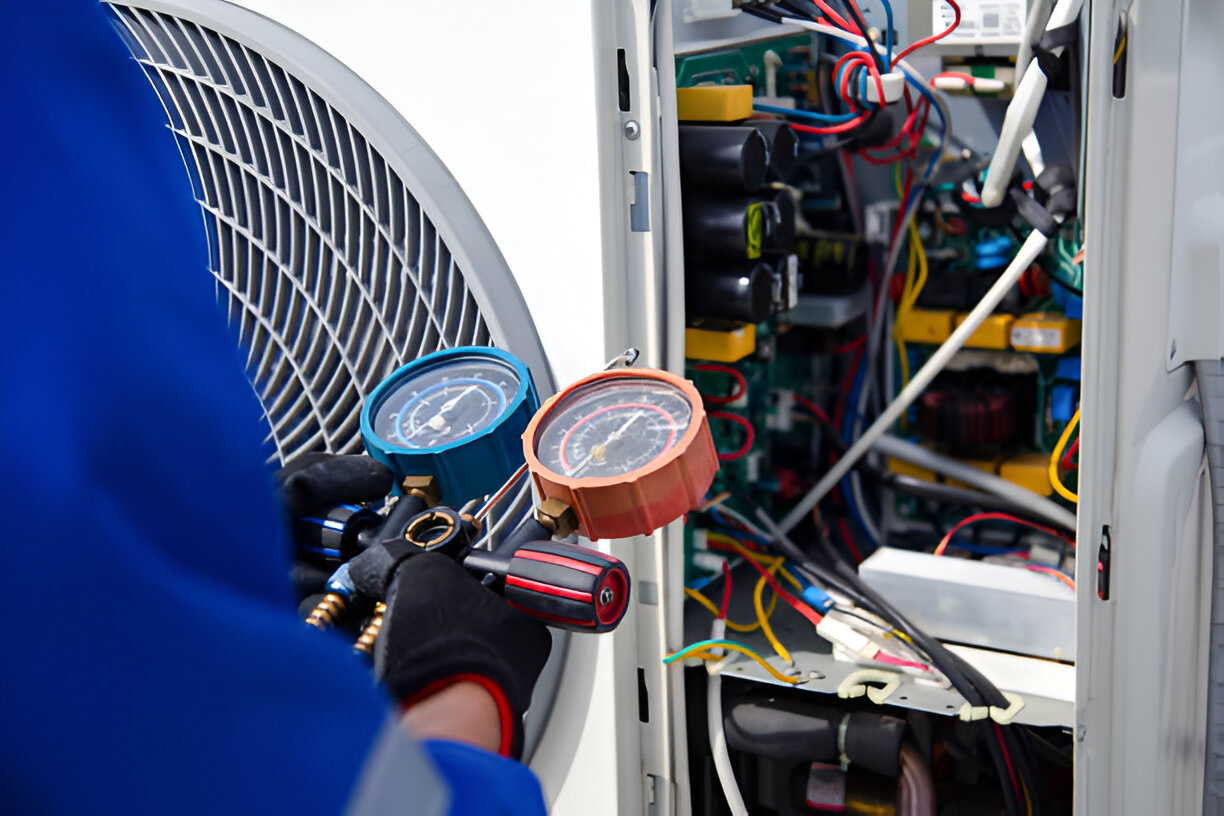
What a seasonal air conditioning tune-up includes
A full tune-up combines visual inspection, diagnostic testing, and preventive maintenance. Typical elements include:
- A 21-point inspection covering electrical, mechanical, refrigerant, airflow, and safety systems
- Cleaning the evaporator and condenser coils to restore heat transfer
- Checking and adjusting refrigerant charge when needed (handled by licensed technicians)
- Tightening electrical connections and testing capacitors and contactors
- Inspecting and cleaning the condensate drain and pan to prevent water damage
- Testing system performance, runtime, and thermostat accuracy
- Checking and replacing air filters or advising on the correct filter type for your home
- Measuring airflow and blower performance to identify restrictions or duct issues
Why Willis, TX homes need annual tune-ups
Willis experiences long, humid summers and frequent pollen and storm activity. Those conditions increase strain on AC systems in several ways:
- High run times during hot months accelerate wear on motors, compressors, and electrical components.
- Humidity and pollen build-up reduce coil efficiency and clog filters faster, lowering airflow and cooling capacity.
- Storms and power fluctuations can loosen electrical connections or damage controls.
Regular seasonal maintenance addresses these local stressors before they become costly failures.
Common AC problems a tune-up prevents
A proactive tune-up prevents or reduces the severity of common issues, such as:
- Weak or uneven cooling across rooms
- Short cycling (frequent on/off cycles) that damages the compressor
- Frozen evaporator coils caused by airflow restrictions or low refrigerant
- Rising energy bills from degraded system efficiency
- Sudden failures during heat waves leading to emergency repairs
The 21-point inspection — what technicians check and why it matters
Below is a representative 21-point checklist used during a full tune-up, with simple reasons each item is important:
- Thermostat settings and calibration — ensures accurate temperature control
- System startup, shutdown, and safety controls — verifies safe operation
- Air filter condition and replacement needs — maintains airflow and IAQ
- Evaporator coil inspection and cleaning — restores cooling capacity
- Condenser coil cleaning and debris removal — improves heat rejection
- Refrigerant lines and insulation condition — prevents energy loss
- Refrigerant charge and pressure check — confirms proper cooling performance
- Compressor amperage and operation — checks for early signs of failure
- Condenser fan motor and blades — ensures efficient outdoor operation
- Blower motor performance and belt condition — maintains airflow balance
- Electrical connections, breakers, and fuses — prevents electrical faults and fires
- Capacitor and contactor inspection and testing — avoids hard-start issues
- Ductwork visual inspection for leaks or disconnections — improves efficiency and comfort
- Airflow measurement across vents — identifies blockages or design issues
- Return and supply grille condition and placement — optimizes flow distribution
- Drain pan and condensate drain line cleaning — prevents water overflow and mold
- Safety and limit switches testing — protects equipment and home
- Vibration and noise inspection — detects loose or failing components
- System run-time and cycle analysis — identifies inefficiencies or short-cycling
- Refrigerant leak checks and visual inspection of fittings — preserves performance and complies with regulations
- Final performance test and report summarizing findings — provides a clear condition overview
Each check is designed to catch small issues early, which is typically much less costly than repairing a failed compressor or replacing a system prematurely.
Repair and maintenance solutions performed during a tune-up
When problems are found during inspection, typical corrective steps include:
- Removing debris and cleaning coils and drain lines to restore efficiency and prevent microbial growth
- Tightening or replacing worn electrical components such as relays, terminals, or fuses
- Lubricating motors and moving parts where applicable to reduce friction and noise
- Replacing air filters and advising on higher-efficiency filter options to improve indoor air quality
- Adjusting refrigerant to manufacturer specifications, and locating/reparing leaks if present (handled by licensed technicians)
- Balancing airflow, cleaning return vents, and recommending duct sealing or repairs when needed
Technicians prioritize fixes that restore safe, efficient operation and defer non-essential upgrades until agreed upon.
Benefits of regular tune-ups
Annual tune-ups deliver measurable value for Willis homeowners:
- Lower utility bills through improved system efficiency
- Fewer emergency repairs and reduced risk of mid-summer system failures
- Extended equipment life by reducing wear on high-stress components
- Better indoor air quality from proper filtration and clean coils
- Compliance with many manufacturer warranties that require regular maintenance
- Predictable budgeting via planned maintenance rather than unexpected breakdown costs
How scheduling and timing typically work in Willis
Tune-ups are most effective when completed before peak cooling season, ideally in spring. Scheduling early avoids delays during high-demand summer months and gives technicians time to address any repair needs before temperatures climb. Many homeowners choose annual inspections; homes with heavy system use, pets, or high pollen exposure may benefit from semi-annual checks or a maintenance plan.
To prepare for a tune-up, note recent performance issues, unusual sounds, or higher-than-normal energy bills. Keeping basic access to outdoor units (clearing plants and debris) helps technicians perform a thorough inspection.
Maintenance Plan
Heat Pump/ AC Tune-Up

Furnace Tune-Up
Customer Testimonials