



AC Tune-Up in Winter Springs, FL



Keeping your air conditioner running reliably and efficiently is essential in Winter Springs, FL, where long, hot, humid summers and frequent afternoon storms put extra strain on HVAC systems. An annual or seasonal air conditioning tune-up can prevent mid-summer breakdowns, cut energy costs, and extend equipment life.
Why a seasonal AC tune-up matters in Winter Springs, FL
Winter Springs experiences high humidity, pollen seasons, and intense summer heat that force air conditioners to run for extended periods. Humidity accelerates corrosion and fosters mold and algae growth on coils and drain lines. Pollen and yard debris quickly clog filters and outdoor coils. These regional factors make regular tune-ups not just recommended but important to avoid sudden failures and inflated electric bills.
What a seasonal tune-up covers
A thorough Air Conditioning Tune-Up in Winter Springs, FL typically includes a multi-point inspection and preventive maintenance tasks such as:
- Visual inspection of indoor and outdoor units for corrosion, pests, and physical damage
- Coil cleaning (evaporator and condenser) to restore heat transfer and airflow
- Filter inspection and replacement or recommendation for the appropriate MERV rating
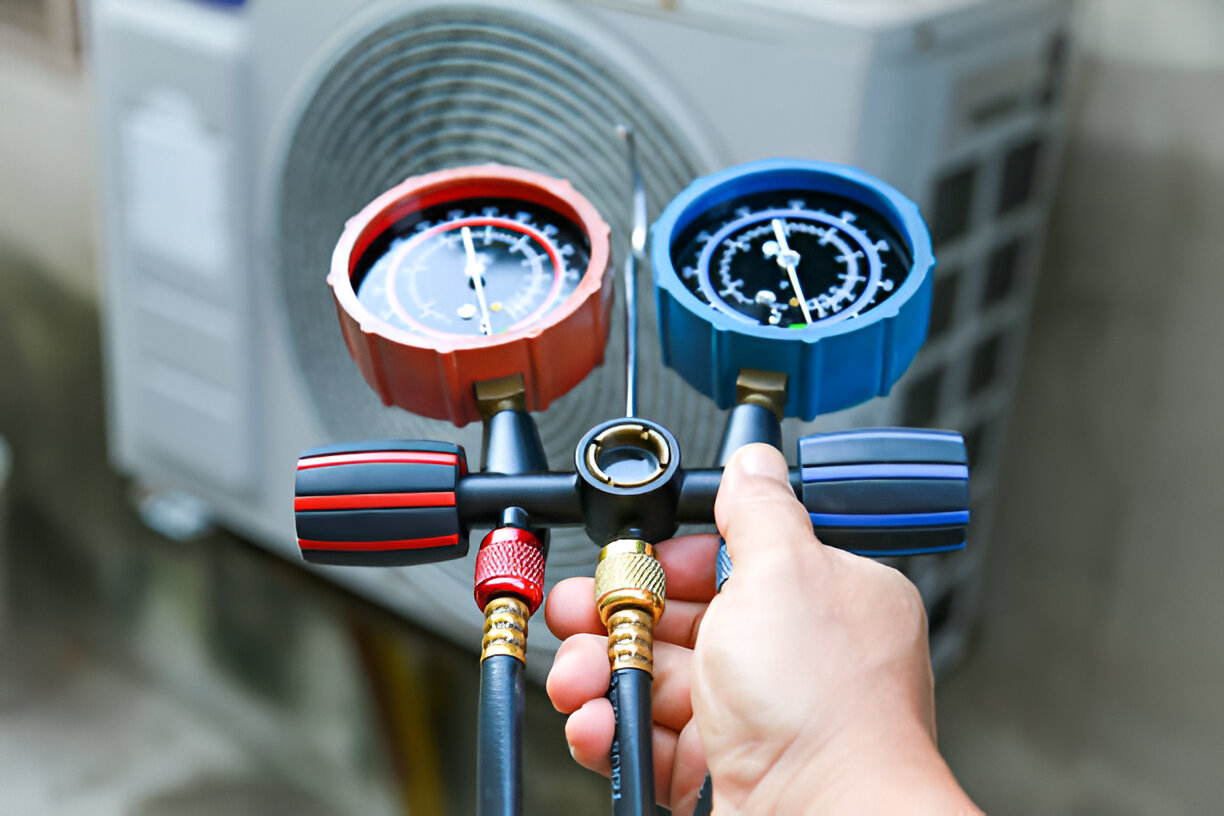
- Refrigerant check – pressure measurements and verification of proper charge
- Electrical component test and tightening, including capacitors and contactors
- Motor lubrication and belt inspection/replacement where applicable
- Thermostat calibration and program check for accuracy and optimal setpoints
- Condensate drain and pan cleaning to prevent clogs and overflow
- Airflow testing and measurement of temperature split (delta T) across evaporator
- Safety control checks, including limits and float switches
- Basic efficiency optimization advice tailored to your home
Common AC tune-up issues in Winter Springs homes
Because of local climate and environmental factors, technicians frequently find:
- Dirty or fouled coils from humidity, pollen, and landscaping
- Clogged condensate drains leading to water backups and indoor humidity problems
- Low refrigerant levels due to slow leaks, causing reduced cooling capacity
- Worn or failing capacitors and contactors after heavy cycling during heat waves
- Reduced airflow caused by dirty filters, blocked vents, or partially closed dampers
- Thermostat miscalibration or outdated controls that increase runtime
- Corrosion and electrical connector deterioration from high humidity
- Mold or microbial growth on damp coils and drain pans affecting indoor air quality
Diagnostic process: how issues are found and prioritized
A professional tune-up follows a logical diagnostic flow to identify both immediate fixes and potential failures:
- Visual inspection for obvious damage, debris, or signs of leaks
- Filter and airflow check through return and supply measurements
- Electrical inspection using voltage and amp readings to find failing motors or capacitors
- Refrigerant pressure readings and temperature split measurement to detect charge issues
- Coil and drain inspection to determine cleaning needs and mold presence
- Thermostat verification for setpoint accuracy and communication with the system
- Safety control checks to ensure proper shutdown on faults
This combination of visual checks, electrical testing, and thermal measurements gives technicians a clear picture of current performance and near-term risks.
Typical repairs and preventive solutions performed during tune-ups
- Thorough coil cleaning to improve efficiency and prevent freeze-ups
- Clearing and treating condensate drains and pans to prevent clogs and microbial growth
- Replacing filters and recommending the right filter schedule for local pollen and dust levels
- Tightening electrical connections, testing capacitors, and replacing worn contactors
- Lubricating motors and inspecting belts; replacing belts showing wear
- Refrigerant leak detection and repair followed by recharge if needed to reach correct operating charge
- Calibrating or replacing thermostats and verifying setpoint programming
- Advising on duct sealing or simple airflow fixes when imbalances are detected
Note: Refrigerant should not be added as a long-term solution if a leak is present; proper leak repair is the right approach for reliable operation.
Efficiency optimization tips for Winter Springs homes
- Schedule tune-ups before peak cooling season so the system starts summer in top condition
- Change filters monthly during heavy pollen and high-use months; use a filter that balances filtration and airflow
- Shade the outdoor condenser with landscaping or a small canopy (without restricting airflow) to reduce stress on the unit
- Use a programmable or smart thermostat to avoid excessive runtime while maintaining comfort
- Keep return vents unobstructed and ensure attic insulation and duct sealing are adequate to reduce load
- Consider an airflow and duct inspection if some rooms are consistently warmer or if cooling is uneven
Benefits of regular tune-ups
- Improved reliability and fewer emergency repairs during the hottest days
- Lower energy bills from restored efficiency and correct refrigerant charge
- Extended equipment lifespan due to reduced wear on motors and electrical parts
- Better indoor comfort with consistent cooling and humidity control
- Reduced risk of costly failures like compressor burnout or major refrigerant leaks
- Improved indoor air quality by controlling mold, dust, and pollen entry into the system
Maintenance Plan
Heat Pump/ AC Tune-Up

Furnace Tune-Up
Customer Testimonials