


Heating Installation in Metro West, FL



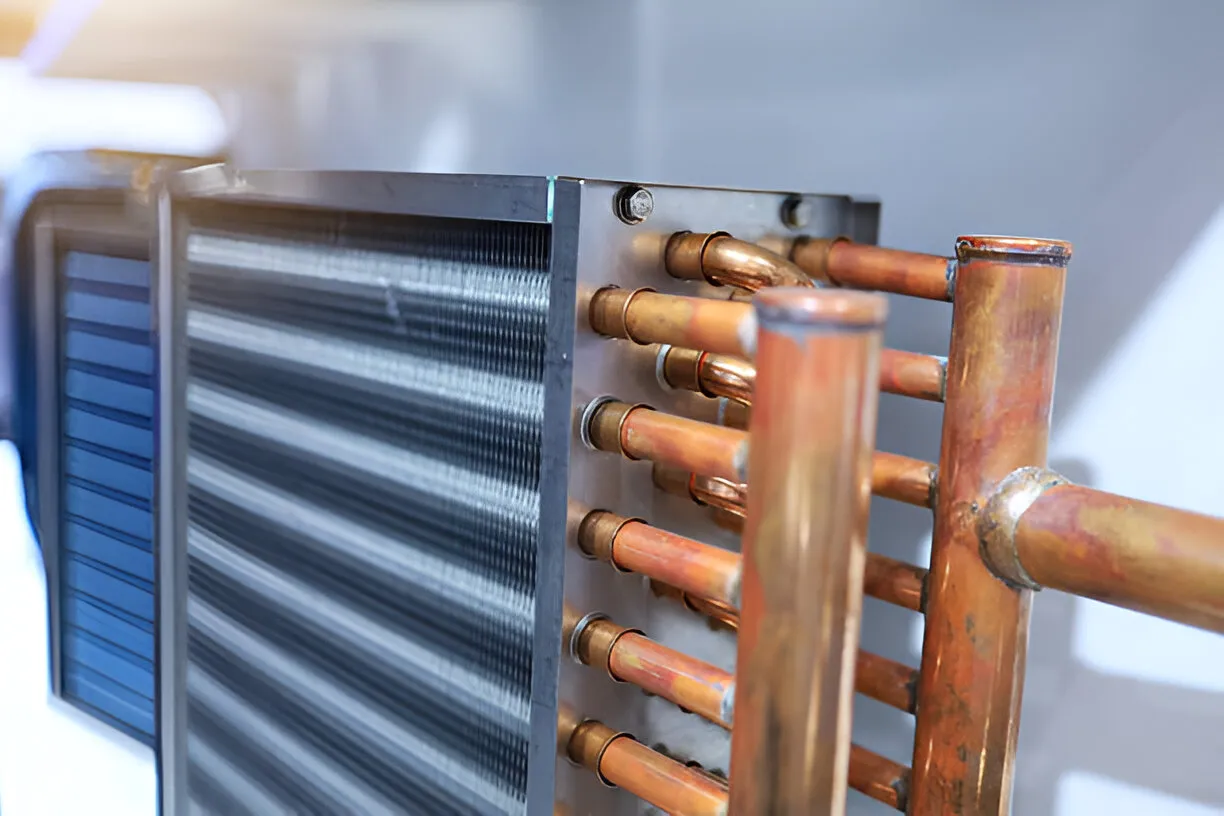
Choosing the right heating installation for your Metro West, FL home matters even in Central Florida’s mild climate. A properly sized and professionally installed system delivers consistent comfort during cooler winter nights, reduces humidity-related problems, and prevents costly inefficiencies or premature equipment failure.
Why proper heating installation matters in Metro West, FL
Metro West homes face a few local challenges: humid subtropical weather, occasional cool snaps, older neighborhoods with mixed duct conditions, and new construction with modern envelope standards. An oversized or undersized system can short-cycle, increase energy use, and fail to control indoor humidity. In this market, heat pumps and well-sealed duct systems offer the best balance of year-round comfort and energy efficiency, while ductless solutions solve problems in additions or homes without ducts.
Common heating system types for Metro West homes
- Heat pumps (air-source): The most common choice in Central Florida because they provide efficient heating and cooling year-round. Look for high HSPF and high SEER ratings for efficiency.
- Gas furnaces: Less common here but still appropriate for homes with existing gas lines or specific comfort needs. AFUE ratings indicate efficiency.
- Ductless mini-splits: Ideal for retrofits, garages, sunrooms, or homes without ductwork. Provide zoned heating with excellent efficiency.
- Hybrid systems: Combine heat pump and furnace where local conditions or homeowner preferences make dual-fuel attractive.
Initial assessment and load calculations
A reliable heating installation begins with a professional home assessment and load calculation. We use industry-standard methods (Manual J for load, Manual D for duct design, and Manual S for equipment selection) to determine:
- The exact heating requirement in BTUs for each zone.
- Proper duct sizing, airflow targets (CFM), and return placement.
- Insulation, window orientation, and envelope leakage impacts.
- Thermostat placement and zoning needs.
This assessment prevents common issues like oversizing, inadequate airflow, and uneven heating that homeowners in Metro West often face due to varied home ages and retrofit conditions.
Energy-efficient system selection
Selection balances comfort goals, budget, and long-term operating cost. Key considerations for Metro West installations:
- Heat pumps: Choose a unit with suitable SEER and HSPF ratings for lower utility bills and good dehumidification. Variable-speed compressors and multi-stage units improve comfort during damp Florida conditions.
- Furnaces: If gas is preferred, pick a high AFUE model sized to the Manual J results and paired with proper venting and safety controls.
- Ductless: Look for multi-zone inverter-driven systems for efficiency and consistent humidity control in individual rooms.
- Indoor air quality: Add compatible filtration or dehumidification to combat humidity and pollen common in Central Florida.
Professional installation steps
A professional, code-compliant installation typically follows these steps:
- Pre-install preparation: final measurements, equipment staging, and ordering specialty parts (pans, filters, line sets).
- Ductwork and distribution: repair, seal, and insulate ducts; install returns and supply registers per Manual D.
- Equipment placement: install outdoor condensing unit, indoor air handler or furnace, and route refrigerant lines or gas lines safely.
- Electrical and controls: run dedicated circuits, connect thermostats (including smart thermostats if selected), and configure system controls and safety devices.
- Refrigerant and combustion setup: perform proper refrigerant charging for heat pumps and combustion/vent checks for gas furnaces.
- Clean-up and documentation: remove debris, label panels and thermostats, and provide paperwork for warranties and permits.
Permitting and code compliance in Metro West
Heating installations in Metro West fall under local building codes (Orange County and City of Orlando jurisdictions for many properties). Typical requirements:
- Permits for equipment replacement or new installs.
- Inspections for gas lines, electrical work, and system commissioning.
- Compliance with Florida Building Code and local amendments for ventilation, combustion air, and energy efficiency.Professional installers handle permit submissions, schedule inspections, and ensure all work meets code so your installation passes final sign-off.
Timeline expectations
Typical timelines for a residential heating installation in Metro West:
- Home assessment and load calculation: 1 appointment (30–90 minutes).
- Written proposal and equipment selection: 1–3 business days.
- Permit processing: can range from a few days to 2 weeks depending on the scope and municipal workload.
- Installation: one to three days for standard single-system replacements; larger homes, duct modifications, or multi-zone projects can take longer (up to a week).
- Final inspection and commissioning: scheduled after installation and typically completed within a few days.
Post-installation testing and warranties
After installation we perform a full commissioning sequence:
- System startup and run cycles to verify staging and controls.
- Refrigerant charge check and airflow measurement to meet design CFM.
- Safety tests: gas pressure, carbon monoxide check, and venting verification for combustion systems.
- Thermostat calibration and occupant briefing on operation and maintenance.Manufacturer and workmanship warranties should be documented and registered. Typical warranty coverage includes manufacturer parts and limited labor options; ask for warranty details and any extended coverage available.
Financing and promotions
Many homeowners in Metro West use financing plans or seasonal promotions to make high-efficiency systems more affordable. Options often include low-interest financing, energy-efficiency rebates, and manufacturer promotions. Evaluate total lifecycle costs—installation quality, warranty, and energy savings—when comparing offers.
Maintenance and long-term performance
To protect your investment and maintain efficiency:
- Schedule annual tune-ups focused on heating performance, refrigerant checks, and airflow balancing.
- Replace filters regularly and keep the outdoor unit free of debris and vegetation.
- Seal and insulate ducts and attic penetrations to prevent energy loss.
- Consider a maintenance plan that includes priority service and seasonal checks to avoid emergency repairs during cold snaps.
Maintenance Plan
Heat Pump/ AC Tune-Up

Furnace Tune-Up
Customer Testimonials