


Heating Repair in Orlando, FL



Heating problems are less common in Orlando than in colder climates, but when a furnace or heat pump fails it can still leave your home uncomfortable, raise energy bills, or create safety concerns. Orlando’s humid subtropical climate and mild winters mean many homes rely on heat pumps rather than gas furnaces, and seasonal pollen, humidity, and occasional cold snaps create specific service needs.
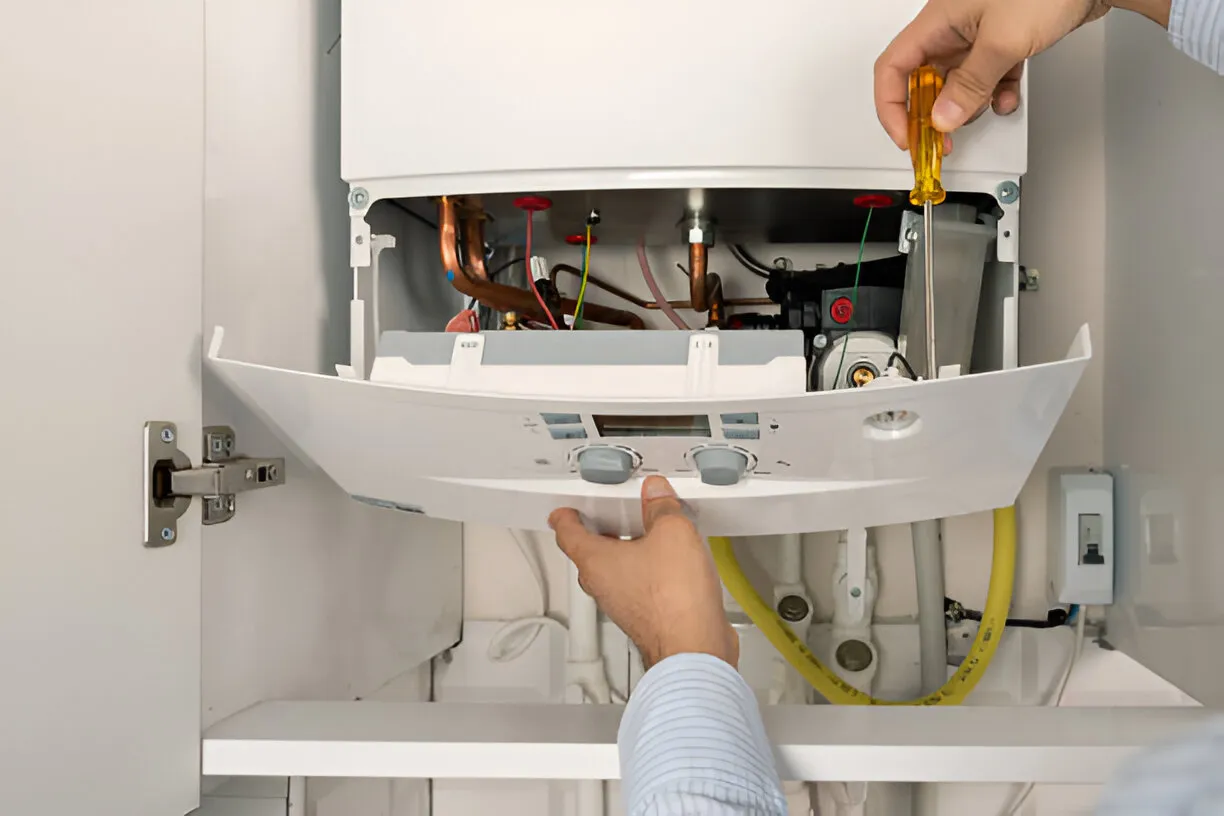
Common Heating Problems in Orlando Homes
- Heat pump not producing warm air or taking too long to heat
- Short cycling or frequent on/off cycles that spike energy use
- No heat at all due to ignition or control failures (gas furnaces) or compressor issues (heat pumps)
- Weak airflow from clogged filters, failing blower motors, or blocked ducts
- Unusual noises: Grinding, squealing, rattling, or loud clicking
- Thermostat or control board malfunctions causing irregular operation
- Refrigerant leaks, low refrigerant charge, or failing compressors on heat pumps
- Condensate drain clogs, outdoor unit corrosion, or fan motor failures tied to Orlando humidity and pollen
- Safety issues like gas smell, continuous pilot light failures, or carbon monoxide concerns
How Technicians Diagnose Faulty Furnaces and Heat Pumps
Visual and safety inspection: Check for gas leaks, odors, rust, and obvious damage. Gas furnaces receive a carbon monoxide safety check.
Thermostat verification: Confirm settings, wiring, and sensor operation.
Electrical tests: Measure voltages, capacitor condition, and motor current to detect failing components.
Ignition and burner checks (gas systems): Observe the ignition sequence, flame pattern, and gas pressure.
Refrigerant and compressor tests (heat pumps): Measure pressures, superheat/subcooling, and check for leaks.
Airflow and duct assessment: Inspect filters, blower wheel, and duct leakage or obstructions.
Control diagnostics: Read fault codes from control boards and test relays, sensors, and reversing valves.
Run-time evaluation: Operate the system through a full cycle to reproduce symptoms and validate repairs.
Typical Repair Procedures Explained
Ignition systems: For gas furnaces this may involve replacing a pilot assembly, hot surface igniter, or electronic ignition module. Technicians clean ignition components, test safety switches, and verify proper flame sensing.
Burners and combustion tuning: Burners are cleaned and adjusted for correct flame shape and complete combustion. For safety, combustion gases and venting are inspected and corrected if needed.
Blower and fan motors: Repairs include motor replacement, bearing lubrication, capacitor swaps, and balancing fan blades to restore airflow and reduce noise.
Controls and thermostats: Faulty thermostats, control boards, or sensors are tested and replaced when defective. Control firmware and wiring are verified to prevent recurring errors.
Refrigeration repairs for heat pumps: Diagnose and repair refrigerant leaks, replace access valves, or replace compressors and reversing valves when needed. Systems are evacuated, recharged, and tested to ensure correct pressures and temperature rise.
Condensate and drain work: Clear blocked drains, replace pans or float switches, and treat drain lines to prevent recurring clogs in Orlando’s humid conditions.
Duct and airflow fixes: Seal duct leaks, replace damaged ductwork, or rebalance systems to eliminate cold spots and inefficiencies.
Expected Response Times and Emergency Repair Options
Typical response for non-emergency heating repairs: Appointments are commonly available within 24 to 72 hours, depending on season and workload.
Emergency or urgent issues: Providers often offer same-day or rapid response for no-heat emergencies, safety concerns like gas smells, or carbon monoxide alarms. Technicians may prioritize safety shutdown and temporary fixes to restore heat until a full repair is completed.
Truck stock and repair completion: Trucks usually carry common replacement parts (filters, capacitors, igniters, thermostats, blower motors) so many repairs are completed in a single visit. Complex jobs needing special parts may require a follow-up visit.
Parts and Labor Warranties
Labor warranties: Reputable providers typically back repairs with a limited labor warranty that ranges from 30 to 90 days, depending on the scope of work.
Parts warranties: Replacement parts may carry manufacturer warranties that vary by component. Compressor and major component warranties can range from 1 to 10 years when OEM parts are used.
Warranty coverage details: Coverage usually applies to defects in installed parts or workmanship and does not cover unrelated failures, preexisting conditions, or improper homeowner maintenance. Always request written warranty terms at the time of service.
Tips to Prevent Future Breakdowns in Orlando
Schedule annual tune-ups: A pre-winter inspection for heat pumps and furnaces reduces the risk of breakdown during cold snaps and keeps systems efficient.
Change filters regularly: In Orlando’s pollen season, replace filters every 1 to 3 months to maintain airflow and reduce strain on blower motors.
Keep the outdoor unit clear: Trim vegetation, remove debris, and rinse coils during low pollen periods to prevent airflow restriction and corrosion.
Maintain condensate drains: Inspect and flush the drain line annually to prevent clogs and water damage.
Check thermostat settings: Confirm proper scheduling and setbacks for heat pumps to avoid unnecessary short-cycling.
Address odd noises or odors early: Small symptoms often precede larger failures; early attention can prevent emergency repairs.
Why Timely Heating Repair Matters in Orlando
Timely heating repair preserves comfort, improves energy efficiency, and reduces safety risks. For Orlando homes that primarily use heat pumps, maintaining refrigerant charge and electrical components ensures reliable heating during occasional cold spells.
Regular repair and maintenance extend system life, lower operating costs, and help avoid inconvenient emergency replacements.
Maintenance Plan
Heat Pump/ AC Tune-Up

Furnace Tune-Up
Customer Testimonials