



Heating Replacement in Orlando, FL



Replacing an aging furnace or heat pump in Orlando is a different decision than it is up north. Winter temperatures here are milder, but Orlando homes still rely on efficient heating for cool nights, humidity control, and energy balance between heating and cooling seasons.
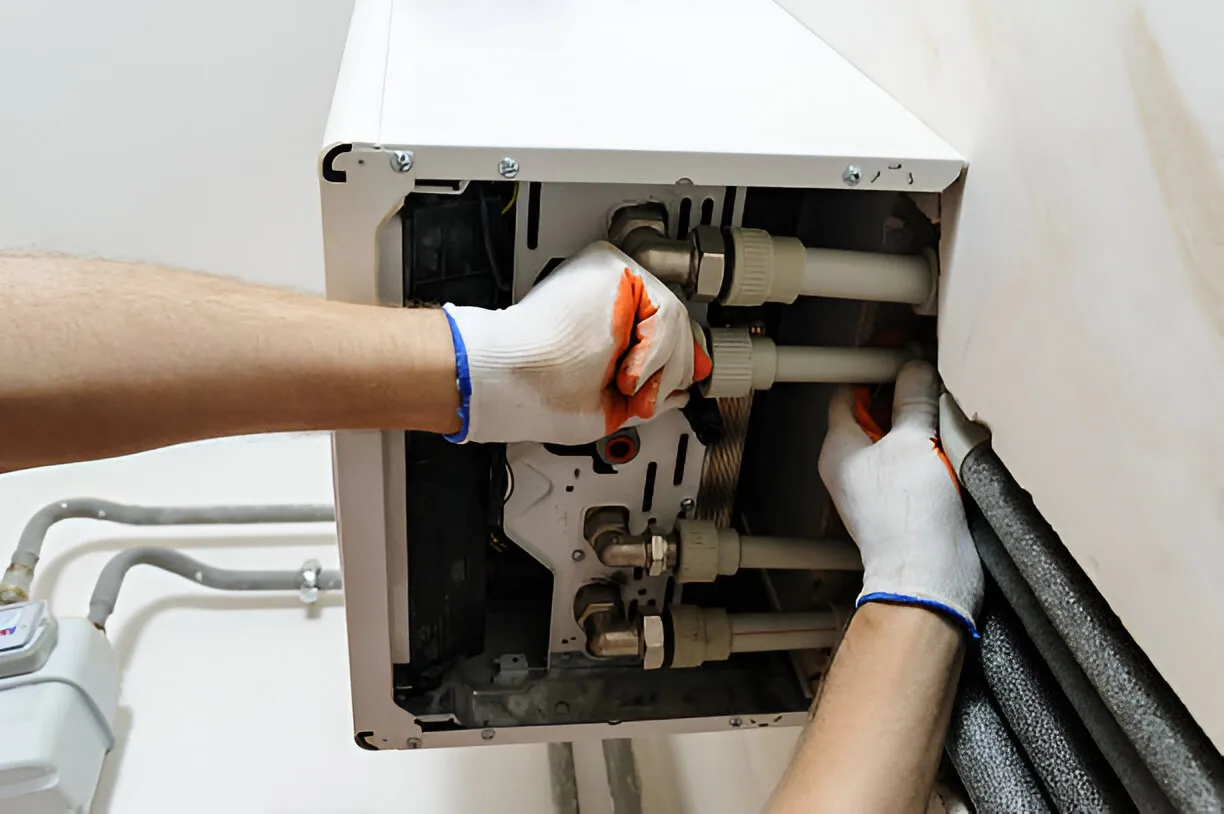
Why consider heating replacement in Orlando
Older systems lose efficiency, require more repairs, and can fail during the first cold snap. In Orlando, many homes use heat pumps for both heating and cooling; an inefficient or failing heat pump raises winter electric bills and reduces comfort. Replacing outdated equipment restores reliable warmth, improves indoor humidity control during cool, damp nights, and can lower combined annual heating and cooling costs.
Common signs it’s time to replace your furnace or heat pump
- Frequent breakdowns or rising repair costs over several seasons
- Equipment older than 10–15 years (heat pumps often last 12–15 years; furnaces 15–20)
- Steady decline in comfort: uneven temperatures, long run cycles, or short cycles
- Higher energy bills despite normal use — downward efficiency drift is common with age
- R-22 refrigerant or other phased-out components in older heat pumps (harder and more expensive to service)
- Noisy operation or visible rust/ corrosion on outdoor units
- Moisture or airflow problems that a simple repair doesn’t fix
Replacement options for Orlando homes: what to choose
- High-efficiency heat pump (electric): Best for most Orlando homes because they provide efficient heating and cooling year-round. Look at higher SEER and HSPF ratings for lower operating costs. Variable-speed compressors add comfort and quieter operation.
- Gas furnace: Less common in central Orlando but an option where natural gas is available and homeowners prefer combustion heating. Compare AFUE ratings for efficiency.
- Ductless mini-splits: Ideal for room additions, homes without ductwork, or zones requiring independent control. They offer high efficiency and targeted comfort.
- Hybrid (dual-fuel) systems: Combine a heat pump with a gas furnace to optimize efficiency across temperature ranges. Useful where occasional cold snaps make heat pumps less efficient.
- Right-sizing and matched systems: Proper sizing (Manual J load calculation) and pairing indoor air handlers and ducts with the outdoor unit are critical to performance and longevity.
Expected energy and cost savings
- Replacing a 10–15-year-old heat pump with a modern high-efficiency unit can reduce heating and cooling energy use by roughly 20% to 40%, depending on system condition, insulation, and thermostat strategy.
- Replacing an old furnace with a high-AFUE model can produce similar percentage savings during heating months, though heating energy in Orlando is a smaller share of annual use than cooling.
- Additional savings come from reduced repair bills, improved homeowner comfort, quieter operation, and better humidity control which can reduce perceived chill and reduce runtime.
The replacement process (what to expect)
Initial assessment and load calculation
- A trained technician performs a Manual J load calculation, inspects ductwork, measures airflow, and checks existing electrical, gas, and condensate lines. This ensures correct size and type of equipment for your Orlando home and climate.
Equipment selection and permit review
- Choose the replacement that fits your comfort goals, efficiency targets, and budget. Necessary permits for mechanical and refrigerant work are identified and obtained.
Old system removal and disposal
- Safe disconnect of electrical and gas/refrigerant lines, professional removal and responsible disposal of the old unit and refrigerant per regulations.
Duct assessment and corrective work
- Inspect and seal ducts, check insulation, and recommend repairs or modifications to optimize airflow. Well-sealed ducts can significantly improve efficiency and comfort.
Installation and hookups
- Install the new outdoor and indoor components, line sets, condensate management, gas connections (if applicable), and a compatible thermostat. Proper refrigerant charge and electrical connections are verified.
Startup, testing, and balancing
- System is started, refrigerant charge verified, airflow and temperatures measured, safety controls checked, and the system is balanced for even distribution. Manufacturer registration and warranty paperwork are completed.
Final walk-through and documentation
- You receive system performance information, maintenance guidance, and warranty details.
Rebate and financing guidance
- Federal incentives for energy-efficient heat pumps and qualifying upgrades may be available; check current federal home energy tax credits for electric heat pump installations.
- Local utility rebates and programs often apply in the Orlando area; for homeowners served by the Orlando Utilities Commission or other regional utilities, check available rebate programs for ENERGY STAR or high-efficiency heat pumps and duct sealing.
- Financing options include home improvement loans, HVAC financing plans, and utility financing programs. When evaluating offers, compare APR, term length, and total cost. Keep equipment model numbers and efficiency ratings on hand when applying for rebates or financing.
Post-installation support and maintenance
- Warranty and registration: Register equipment promptly to maximize manufacturer warranty protections.
- Preventive maintenance: Annual tune-ups (including multi-point checks such as refrigerant, electrical, safety controls, and airflow) maintain efficiency and extend equipment life. Regular filter changes and seasonal checks are essential in Florida’s humid climate.
- Smart thermostats and controls: Programmable or smart thermostats improve comfort and can reduce energy use when programmed for realistic occupancy patterns.
- Duct care and IAQ: Periodic duct inspections and air filtration upgrades help control humidity and indoor air quality during humid winter nights and year-round.
Maintenance Plan
Heat Pump/ AC Tune-Up

Furnace Tune-Up
Customer Testimonials