



Heating Installation in Seminole County, FL



Heating installation in Seminole County, FL requires a practical, efficiency-first approach that matches local climate needs and building characteristics. Seminole County homes typically face mild winters, high humidity, and homes built for efficient cooling, so the right heating system balances low operating cost, reliable year-round comfort, and compatibility with existing cooling equipment.
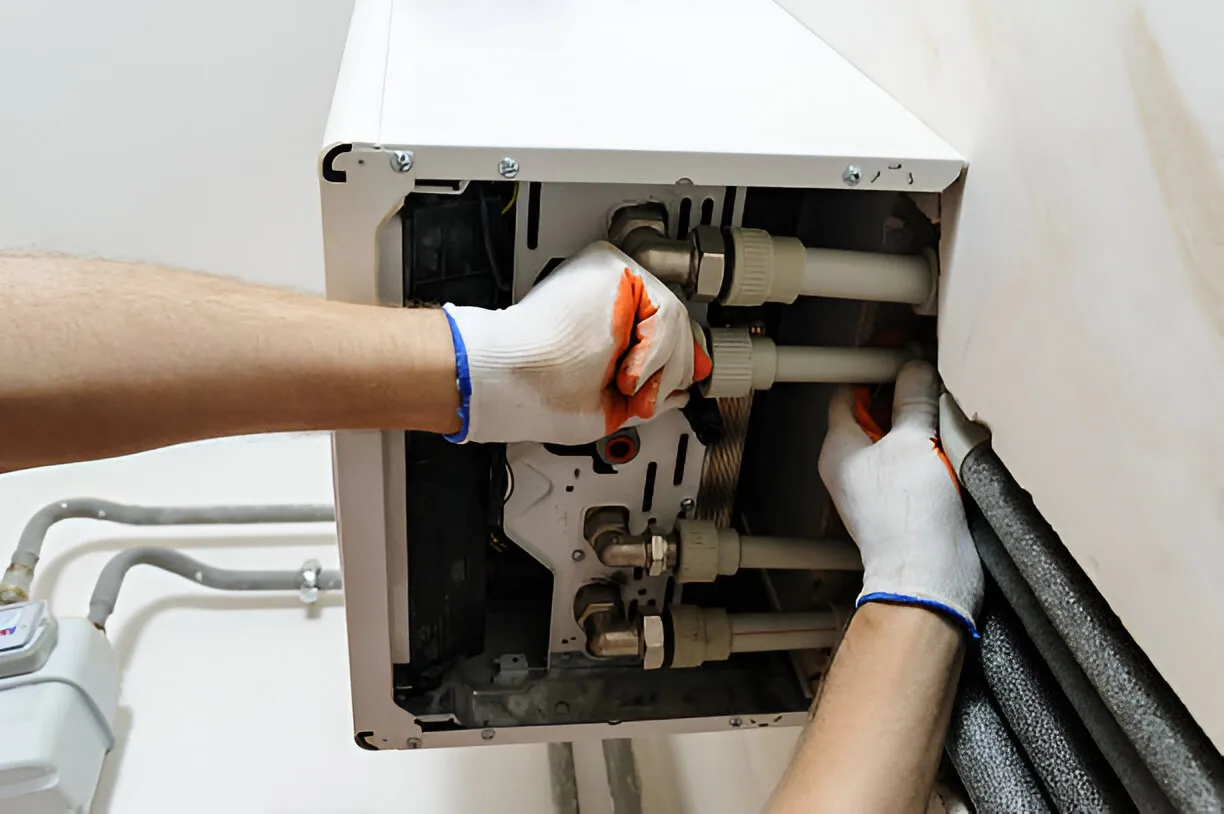
Why a tailored heating installation matters in Seminole County
Even though winters are mild, improperly sized or poorly installed heating systems create cold spots, short cycling, higher utility bills, and comfort problems when temperatures dip. In Seminole County, most homes benefit from electric heat pumps or high-efficiency mini-splits because they deliver both heating and cooling efficiently. Gas furnaces are used in some buildings, but they require additional combustion safety and venting work. Selecting and installing the right system for your specific home ensures reliable comfort without unnecessary cost.
Common heating installation types and local considerations
- Heat pump installation (most common): Air-source heat pumps provide efficient heating and cooling. Look for high SEER and HSPF ratings for energy savings in Seminole County.
- Ductless mini-splits: Ideal for additions, older homes without ducts, or targeted zoned heating in rooms where extending ductwork is impractical.
- Furnace installation (natural gas or propane): Used where existing gas infrastructure exists; requires venting, combustion air, and CO safety checks.
- Hybrid systems: Combine a heat pump with a gas furnace for occasional cold snaps while maximizing efficiency most of the year.
Local climate notes: high humidity in Seminole County increases latent load considerations, so equipment selected should integrate with existing AC sizing and dehumidification strategies.
Initial assessment and sizing (Manual J and system selection)
Proper heating installation starts with a detailed load assessment, commonly known as a Manual J calculation. This determines the correct system capacity based on:
- Square footage and ceiling heights
- Insulation levels and construction materials
- Window types, orientation, and solar gain
- Air infiltration and local weather patterns in Seminole County
Oversizing is a common problem that causes short cycling and poor humidity control. A correct-sized unit improves comfort, reduces wear, and lowers operating costs. Equipment selection considers SEER, HSPF, AFUE (for furnaces), and compatibility with your duct system and thermostat.
Ductwork and distribution considerations
Duct condition heavily influences final performance. Key ductwork steps during installation:
- Inspect for leaks, crushed ducts, or inadequate insulation
- Perform duct sealing and add insulation where needed to meet Florida code expectations
- Balance airflow and adjust registers for even distribution
- Replace or modify duct branches for new equipment or zoned systems
Poor ducts can erase the benefits of even the most efficient heating equipment, especially in homes with attic duct runs exposed to high temperatures in summer and variable temperatures in winter.
Permits, code compliance, and safety
Heating installations in Seminole County must comply with the Florida Building Code and local Seminole County permitting requirements. Typical compliance tasks include:
- Pulling HVAC permits before work begins
- Using licensed technicians for gas, refrigeration, and electrical work
- Ensuring combustion air, venting, and CO detectors for gas systems
- Verifying equipment clearances and manufacturer installation requirements
Proper permitting and code compliance protect homeowners, maintain property value, and ensure warranty eligibility.
Step-by-step installation timeline
- Site visit and final load calculation
- Equipment selection and permit submission
- Removal of old equipment and preparation of installation area
- Duct modifications or new refrigerant piping/lineset installation
- Mounting outdoor/compressor unit and indoor air handler or furnace
- Electrical connections, thermostat interface, and fuel hookups if required
- Insulation, sealing, and mechanical finish work
- Refrigerant charging, airflow setup, and balancing
- Safety checks, combustion testing for gas units, and CO testing
- Post-install commissioning and homeowner walkthrough
A typical residential install in Seminole County takes one to three days depending on system complexity and duct modifications.
Post-install testing and commissioning
Comprehensive testing ensures the system performs as designed:
- Verify refrigerant charge and pressures
- Measure airflow and static pressure across the coil
- Confirm thermostat operation and any zoning controls
- Run safety and limit controls; perform combustion and CO tests for gas furnaces
- Test defrost cycles and electric backup heat on heat pumps
- Provide documentation of test results and manufacturer start-up forms
Commissioning reduces callbacks and locks in efficiency and comfort performance.
Warranty and financing options
Modern systems include manufacturer warranties on compressors, coils, and sometimes parts. Labor warranties vary by installer and may cover workmanship for a specified period. Extended warranty options and maintenance plans are recommended to protect long-term performance. Financing solutions are commonly available to spread equipment and installation costs over time, allowing homeowners to choose higher-efficiency systems without a large upfront expense.
Expected energy savings
Upgrading to a modern high-efficiency heat pump or heat pump hybrid typically reduces annual heating energy use substantially compared with older electric heat strips or aging units. In Seminole County, homeowners can often expect:
- Significant reductions in heating-related energy use due to higher HSPF and SEER ratings
- Overall HVAC energy savings in the range of 15 to 35 percent depending on the age and condition of the existing system and ductwork
- Better year-round comfort and improved humidity control, which also reduces perceived heating needs
Exact savings vary by system selection, thermostat strategy, and home envelope.
Maintenance and long-term performance tips
- Schedule annual tune-ups to verify charge, airflow, and controls
- Replace filters regularly and use appropriately rated filters to protect coils and blowers
- Seal and insulate ducts, especially in unconditioned attics
- Use programmable or smart thermostats to optimize set-backs and runtime
- Address small issues promptly to prevent premature equipment failure
Regular maintenance preserves efficiency, extends equipment life, and maintains manufacturer warranty coverage.
Maintenance Plan
Heat Pump/ AC Tune-Up

Furnace Tune-Up
Customer Testimonials