


Heating Maintenance in Lake Nona, FL



Keeping your heating system well-maintained in Lake Nona, FL means reliable comfort during the cooler months, lower energy bills year-round, and fewer unexpected breakdowns. Even though winters here are mild compared with northern states, heat pumps and gas furnaces still work hard during seasonal temperature dips and overnight cool spells. Regular heating maintenance addresses wear from year-round HVAC cycling, humidity-related issues, and local air quality concerns to preserve performance and extend equipment life.
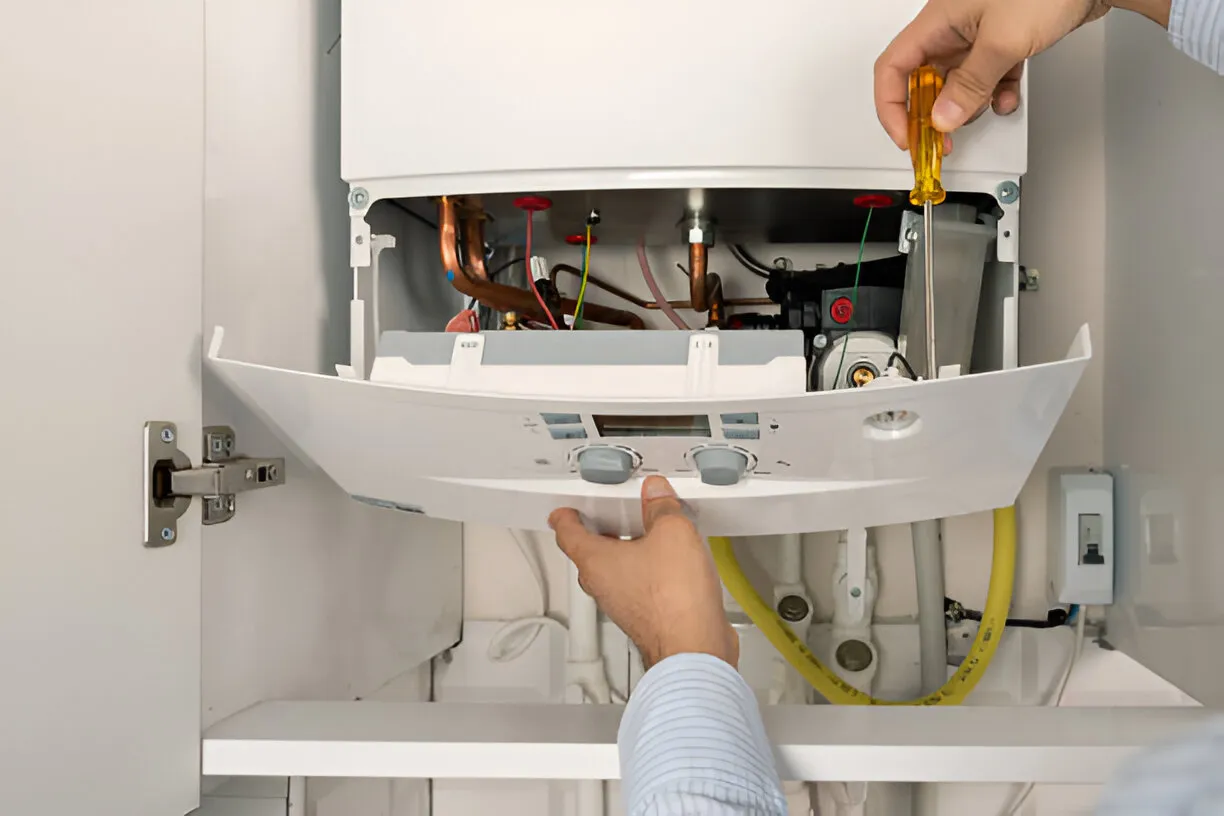
Why annual heating maintenance matters in Lake Nona homes
- Lake Nona’s humid subtropical climate causes HVAC systems to run frequently for both cooling and occasional heating. That constant cycling accelerates component wear.
- Salt and airborne particulates from regional development and nearby roadways can accelerate corrosion and clog filters and coils.
- Proper maintenance keeps heat pumps operating at design efficiency, reduces electric usage, and avoids strain on older systems during sudden cold snaps.
- Documented maintenance improves resale value and supports warranty requirements for many manufacturers.
Common heating systems and issues we address
- Heat pumps (most common in Lake Nona) — low refrigerant, compressor strain, reversing valve wear, reduced airflow.
- Gas furnaces (present in some homes) — dirty burners, cracked heat exchangers, faulty ignition and safety controls.
- Ductless mini-splits — refrigerant leaks, blocked condensate drains, indoor unit airflow problems.
- Duct and airflow problems — leaks, collapsed insulation, dirty return vents, and reduced system efficiency.
- Thermostat and control issues — calibration drift, wiring problems, and compatibility with smart thermostats.
What a comprehensive heating maintenance program includes
A proper plan goes beyond a quick filter swap. Typical preventive tasks include:
- Visual inspection of the entire heating system and controls for signs of wear or corrosion.
- Cleaning or replacing air filters and checking filter fits to prevent bypass and dust infiltration.
- Checking and tightening electrical connections, testing capacitors, relays, and contactors.
- Lubricating moving parts where applicable to reduce friction and wear.
- Inspecting heat exchangers and combustion components (gas systems) for cracks, corrosion, and proper ignition.
- Measuring refrigerant levels and system pressures on heat pumps; checking for leaks and ensuring proper charge.
- Verifying thermostat calibration and operation, including communication with zoned controls or smart thermostats.
- Testing safety controls, limit switches, and emergency shutdown functions.
- Checking and cleaning condensate drains and pans to prevent overflow and microbial growth.
- Inspecting ductwork accessible areas for leaks, blockages, and insulation integrity.
- Recording baseline performance metrics: airflow, temperature split, amperage draw, and system runtime.
Scheduled inspections and frequency
- Heat pumps and gas furnaces: at least one professional inspection per year, preferably timed before the cold season.
- Homes using heat pumps for both heating and cooling benefit from two inspections per year - once before summer and once before winter - because these systems are used year-round in Florida.
- High-usage or older systems: consider biannual inspections to catch early signs of deterioration.
Priority service, discounts, and member benefits
Members of maintenance plans typically receive advantages designed for homeowners who prioritize reliability:
- Priority scheduling during peak periods and cold snaps so repairs and emergency service are handled ahead of non-members.
- Discounted labor and parts on qualifying repairs to lower out-of-pocket costs when something needs fixing.
- Waived or reduced service call fees for covered work during the membership period.
- Flexible scheduling for seasonal tune-ups and pre-scheduled inspections.
- Renewal reminders and automatic scheduling so maintenance doesn’t get missed.
Documentation and service history
A key element of any maintenance plan is consistent record-keeping:
- Detailed service reports after each visit documenting tasks performed, findings, measured values, and recommended repairs.
- A searchable, chronological maintenance history that supports warranty claims and helps future technicians diagnose trends or recurring issues.
- Clear recommendations for prioritized repairs and expected timelines based on system age and condition.
- Digital copies of receipts and inspection sheets for your records or when selling the home.
How maintenance extends equipment life and maintains efficiency
- Cleaner coils, properly charged refrigerant, and unobstructed airflow reduce the workload on compressors and fans, lowering energy consumption.
- Tight electrical connections and proper lubrication reduce motor failure and abnormal heat buildup that lead to premature component failure.
- Early detection of small issues—loose belts, worn bearings, refrigerant drift—prevents escalation into costly breakdowns.
- Maintaining correct airflow and balance prevents freeze-ups, cycling problems, and uneven heating that can damage compressors and heat exchangers.
- Systems maintained on a schedule are more likely to reach or exceed manufacturer life-expectancy estimates.
Enrollment details for Lake Nona residents
- Plan options usually vary by frequency (annual vs biannual inspections), system type coverage (heat pump, gas furnace, ductless), and the level of benefits offered (priority service, parts discounts, covered labor).
- Enrollment typically begins with a plan selection and an initial comprehensive inspection and tune-up to establish baseline performance.
- After the initial visit, members receive scheduled reminders and planned visit windows for subsequent tune-ups and inspections.
- Documentation of each visit is provided and stored so Lake Nona homeowners have an accessible maintenance record for warranties or home sales.
- Plans are structured to accommodate seasonal patterns unique to the Orlando area, ensuring pre-season tune-ups for both cooling and heating needs.
Practical maintenance tips for Lake Nona homeowners
- Replace or clean filters every 1-3 months, more often during pollen season or if pets are present.
- Keep outdoor units clear of landscaping, mulch, and debris to maintain airflow and reduce corrosion risk.
- Check thermostat schedules and battery-operated thermostats before the cooler season to confirm proper operation.
- Monitor energy bills and system run times; sudden increases or constant cycling are signs maintenance is needed.
- Keep vents and returns unobstructed and routinely vacuum registers to reduce dust build-up.
Maintenance Plan
Heat Pump/ AC Tune-Up

Furnace Tune-Up
Customer Testimonials