



Heating Maintenance in Montgomery County, TX



Keeping your heating system running safely and efficiently in Montgomery County, TX matters more than you might think. While winters here are usually mild, occasional cold snaps, high humidity, and the wider wear from year-round moisture mean your furnace or heat pump can suffer performance drops, higher energy use, and safety risks if not maintained. A professional heating maintenance plan designed for Montgomery County homes provides preventive care, priority service, and record-keeping that reduces breakdowns, extends equipment life, and lowers energy bills.
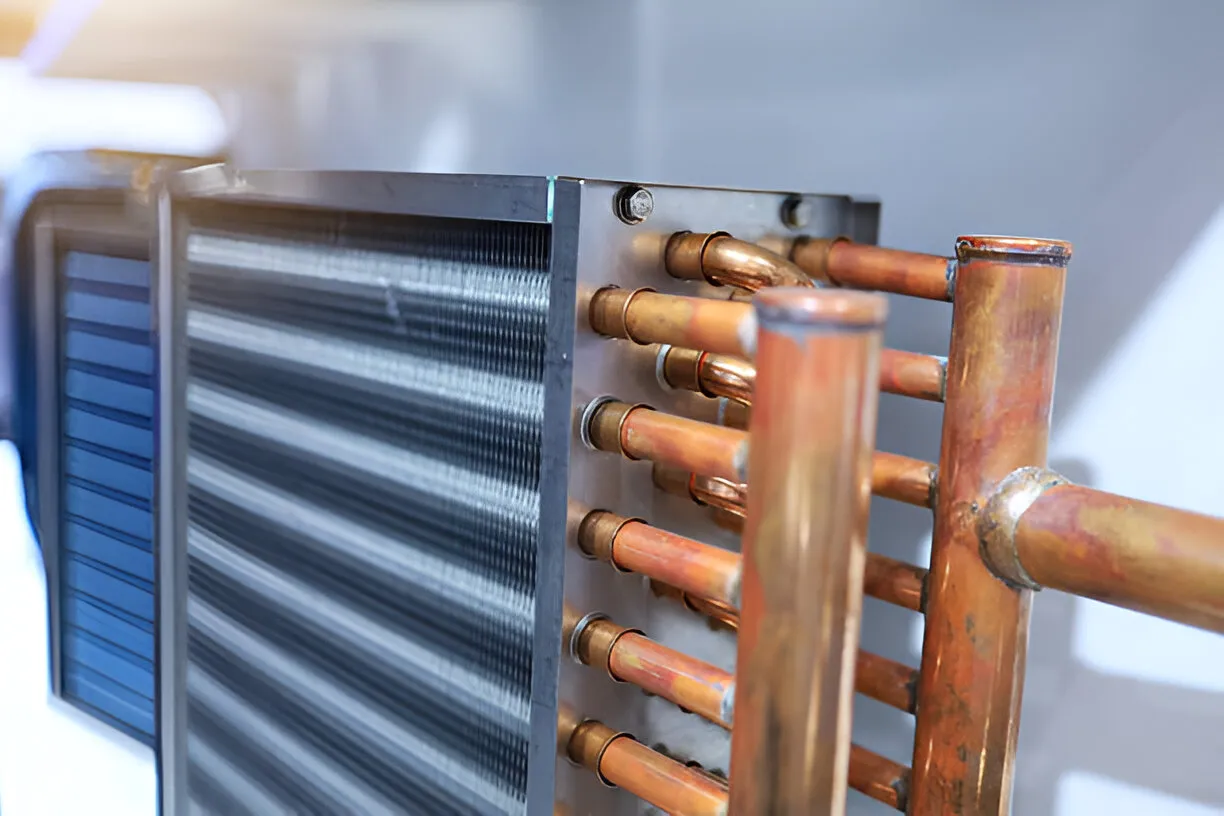
Why a heating maintenance plan makes sense in Montgomery County, TX
- Montgomery County climate: hot, humid summers and intermittent cold winters increase cycling stress on systems that also cool. Moisture accelerates corrosion and dirt buildup affecting burners, coils, and electrical components.
- Older homes and mixed equipment: many local houses have a mix of heat pumps, gas furnaces, and hybrid systems that each need different checks and adjustments.
- Safety and indoor air quality: gas furnaces and combustion appliances require routine inspection for carbon monoxide risk, sealed combustion integrity, and proper venting—especially important in tightly sealed or recently weatherized homes.
What a typical heating maintenance plan includes
A comprehensive plan in Montgomery County generally bundles scheduled preventive visits, priority service, discounts, and ongoing record-keeping. Typical services performed during routine visits:
- Multi-point inspection
- Visual inspection of cabinet, controls, electrical connections, and safety switches
- Heat exchanger or combustion chamber inspection for cracks or soot
- Flue and venting inspection for blockages and proper draft
- Thermostat function and calibration check
- Cleaning and basic service tasks
- Replace or clean air filters (and recommend filter type)
- Clean burners, ignition assembly, and pilot/infrared sensors
- Clean and flush condensate pans and drain lines (for high-efficiency units)
- Clean and inspect indoor coils and blower assembly for dust buildup
- Adjustments and performance checks
- Measure and adjust gas pressure and burner combustion where applicable
- Test safety controls and limit switches
- Check blower motor operation, belt tension, and bearings
- Verify refrigerant levels and reversing valve operation on heat pumps
- Safety and efficiency testing
- Carbon monoxide test and combustion efficiency analysis
- Electrical amp draw and voltage checks
- Temperature rise or split-temperature checks to verify heating output
Common heating problems in Montgomery County homes
- Reduced heat output or cycling on and off frequently — often caused by dirty filters, dirty coils, or failing limit switches.
- Short cycling of heat pumps during shoulder seasons when refrigerant levels or controls are off.
- Pilot or ignition failures and delayed ignition in gas furnaces from soiled burners or failing electronic controls.
- Corrosion or rust on components due to high humidity that leads to leaks or electrical shorts.
- Blocked or corroded vents and flues after storms or wildlife intrusion, creating safety hazards.
Diagnostic process — what to expect during an inspection
A professional heating maintenance visit follows a methodical diagnostic flow:
- Confirm system history and recent performance from service records.
- Run the system through a controlled test cycle to observe startup, run behavior, and shutdown sequences.
- Measure key performance metrics (combustion readings, refrigerant pressures, electrical draw, temperature rise).
- Identify out-of-tolerance components and provide clear recommendations: clean, adjust, repair, or replace.
- Record findings and actions taken in a service history log and schedule any follow-up needed.
Repairs and solutions commonly provided through a maintenance relationship
- Preventive cleaning and calibration to restore lost efficiency and reduce energy use.
- Minor repairs performed during the visit: replace filters, tighten electrical connections, lubricate motors, and replace belts.
- Priority troubleshooting and emergency diagnostics when systems fail between scheduled visits.
- Coordinated replacement planning for end-of-life equipment, including clear estimates on options that match the home’s size and efficiency goals.
Priority service, discounts, and record-keeping benefits
- Priority scheduling: plan members receive accelerated appointments during cold snaps and guaranteed faster response windows.
- Routine cost savings: plans typically include discounted diagnostic fees, reduced labor rates for covered repairs, and parts discounts for common replacement items.
- Digital records and reminders: a maintained service history helps technicians spot recurring issues, and automated reminders ensure seasonal tune-ups are scheduled before heating season arrives.
- Verification for warranties: documented maintenance visits often satisfy manufacturer maintenance requirements and help preserve warranty coverage.
Expected energy savings and lifespan improvements
- Efficiency improvements: routine tune-ups and cleaning typically improve operating efficiency and can lower heating-related energy use by 10 to 20 percent, depending on system condition.
- Reduced emergency repairs: preventive maintenance cuts the likelihood of catastrophic failures by catching small issues early.
- Lifespan extension: systems that receive annual professional maintenance commonly last 3 to 5 years longer than neglected units because of reduced wear, proper lubrication, and timely component replacements.
- Comfort and consistency: maintained systems hold set temperatures better and reduce noisy starts, short cycling, and uneven room temperatures.
How enrollment in a heating maintenance program typically works
Enrollment is designed to be straightforward and convenient:
- Choose a plan that matches your equipment (gas furnace, heat pump, or hybrid system) and preferred service frequency.
- Provide basic system information and preferred scheduling windows so visits are timed before the primary heating season.
- Authorized documentation is created to record plan details, included services, and any applicable discounts or priority terms.
- You receive a schedule of maintenance visits, either annually for furnaces or twice yearly for heat pump systems that handle both heating and cooling, and electronic reminders tied to your account.
- Each visit results in a digital service report kept on file for easy reference and warranty verification.
Maintenance advice specific to Montgomery County homeowners
- Schedule heating service in early fall to prepare for occasional cold snaps; for heat pumps, schedule both fall and spring checks to optimize year-round performance.
- Use high-quality pleated filters rated MERV 8 or higher where compatible to balance air quality and airflow.
- Keep outdoor units clear of debris, vegetation, and pollen accumulation during humid months to prevent coil fouling and airflow restriction.
- If your home is older or has recent airtighting work, prioritize combustion and venting checks to prevent carbon monoxide and combustion inefficiency.
Maintenance Plan
Heat Pump/ AC Tune-Up

Furnace Tune-Up
Customer Testimonials