


Heating Repair in Lake Conroe, TX



Keeping your home warm and comfortable in Lake Conroe, TX means relying on a heating system that works when you need it. Although winters are generally mild in this part of Montgomery County, sudden cold snaps, high humidity, and aging equipment can quickly turn a small problem into a full system failure.
Why heating repair matters in Lake Conroe homes
Even brief heating outages are uncomfortable and can create moisture and indoor air quality problems in humid climates. Lake Conroe homes often use heat pumps, gas furnaces, or ductless systems — each with distinct failure modes. Timely repair restores comfort, improves efficiency, and reduces the risk of larger, more expensive failures down the road.
Common heating systems in Lake Conroe, TX
- Heat pumps (air-source and sometimes geothermal) — very common because they provide both heating and cooling throughout the year.
- Gas furnaces — popular in homes with existing gas lines.
- Electric furnaces and electric resistance heaters — used in certain neighborhoods or for supplemental heat.
- Ductless mini-splits — increasingly used in additions, garages, or homes without ductwork.
Symptoms to watch for (common heating repair issues in Lake Conroe)
- Unit fails to turn on or cycles on and off frequently.
- Uneven heating or rooms that never warm up.
- Unusual noises: banging, rattling, or high-pitched squeals.
- Weak airflow from vents or warm air that feels cooler than expected.
- Strange odors when the system runs (burning, musty, or gas smell).
- Excessive humidity or condensation on windows during cold weather.
- Frequent short cycling after a storm or power fluctuation.
Diagnostic steps a technician will perform
Technicians follow a clear diagnostic process to pinpoint cause before recommending repair:
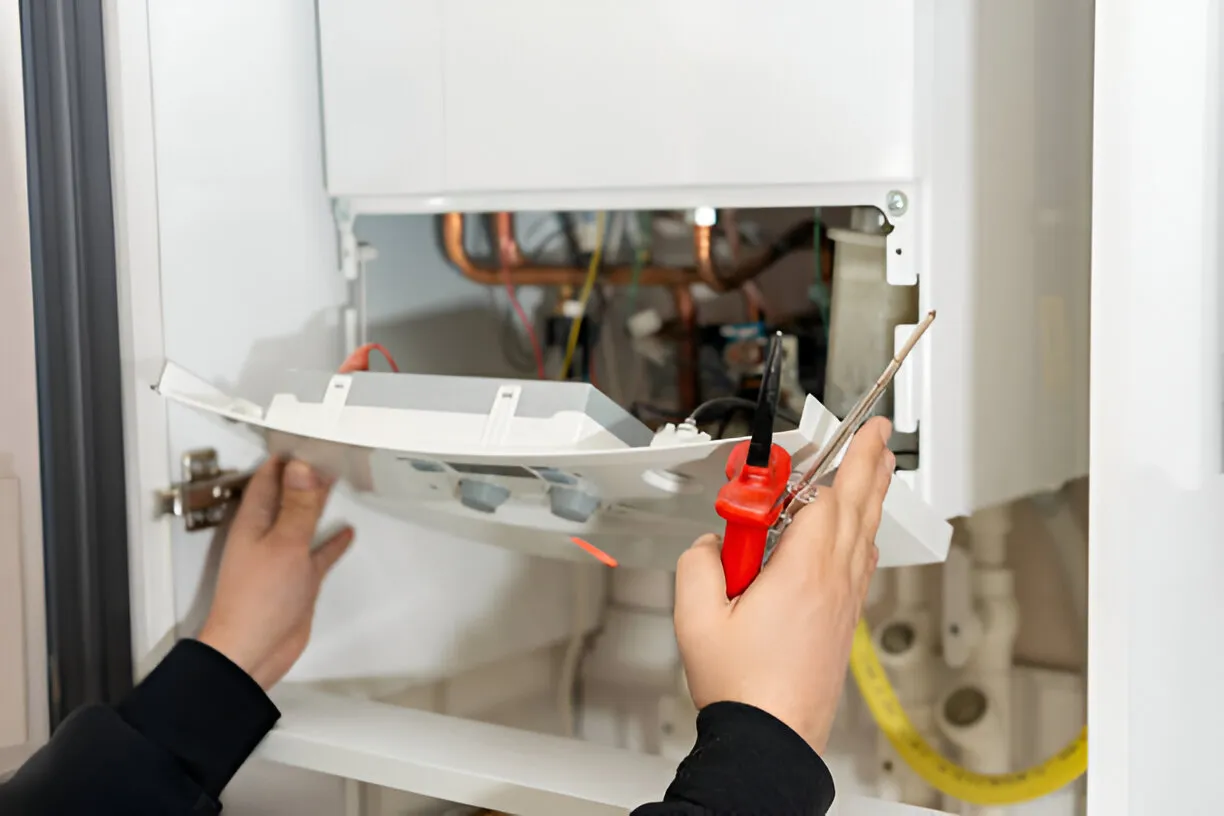
- Visual inspection: check the furnace/heat pump, air handler, vents, filters, and ductwork for obvious issues.
- Thermostat and controls: verify settings, battery/communication problems, and control board signals.
- Electrical and safety checks: measure voltage, test fuses/breakers, and confirm safety switches and flame sensors are functioning.
- Refrigerant and pressures (for heat pumps): evaluate refrigerant charge, compressor operation, and reversing valve performance.
- Combustion and venting (for gas systems): inspect burners, heat exchanger, and flue/vent for leaks or blockage.
- Airflow and duct diagnostics: measure static pressure and inspect duct leaks, closed dampers, or blocked returns.
- Component testing: evaluate capacitors, motors, igniters, thermostats, and control boards with targeted tests.
After diagnostics, the technician will explain findings in plain language, show which components are failing, and outline repair versus replacement options based on system age and efficiency.
Common component failures and what they mean
- Capacitors and contactors: common in outdoor units and cause the compressor or fan not to start.
- Igniters and flame sensors (gas systems): lead to failed ignition or intermittent shutdowns.
- Compressor issues in heat pumps: major repair or replacement depending on damage.
- Refrigerant leaks: reduce heating capacity and indicate a sealed-system repair.
- Motors and blower assemblies: cause poor airflow, noisy operation, and overheating.
- Control boards and thermostats: erratic behavior, incorrect cycling, or no system response.
- Heat exchanger cracks (furnaces): serious safety concern requiring immediate attention.
Estimated repair timelines and what to expect
- Minor repairs (filter replacement, thermostat reset, capacitor swap, minor electrical fixes): often completed in a single service visit.
- Moderate repairs (blower motor replacement, ignition component replacement, refrigerant recharge and leak repair): typically a single visit but may require ordering parts and a follow-up.
- Major repairs (compressor replacement, heat exchanger replacement, extensive ductwork repair): may require multiple visits and coordination for parts and safe replacement; scheduling can vary based on parts availability.
Repair timelines can be affected by system type, part availability, and severity of the fault. In Lake Conroe, local weather events can increase demand and affect scheduling, so technicians prioritize safety-related issues and systems that leave a home unheated.
Repair cost factors (what influences the final price)
Rather than a single number, repair costs depend on:
- Type of system (heat pump, gas furnace, ductless).
- Which component failed and whether it is covered by warranty.
- Availability and lead time for parts, particularly OEM parts.
- Labor complexity: accessing the unit, working in tight attic or rooftop spaces, or coordinating with gas line or electrical work.
- Whether a repair is temporary or a longer-term rebuild that improves reliability and efficiency.
Technicians typically present repair options with pros and cons so homeowners can make informed decisions that balance immediate needs and long-term value.
Emergency and after-hours response in Lake Conroe
In cold snaps or when a system failure poses a comfort or safety concern, after-hours and emergency service options are often available. Emergency responses prioritize systems without heat, suspected gas leaks, or any situation presenting safety risks. Response time may vary by time of day and local call volume, especially after storms or temperature extremes.
Warranty and parts information
- Manufacturer warranties: many parts and compressors are covered by manufacturer warranties for specific time periods; coverage varies by brand and model.
- Workmanship warranties: reputable service providers often back their repairs with a warranty on labor to protect against installation or repair errors.
- OEM vs aftermarket parts: OEM parts match original equipment specifications and usually carry manufacturer coverage; quality aftermarket parts can be a cost-effective option but may have different warranty terms.When a replacement is recommended, technicians should explain which warranties apply and whether extended coverage or parts guarantees are available.
Tips to prevent future breakdowns in Lake Conroe homes
- Schedule seasonal tune-ups: regular inspection and preventive maintenance keeps heat pumps and furnaces running efficiently.
- Replace filters regularly: clean filters maintain airflow and reduce strain on motors and heat exchangers.
- Keep outdoor units clear: remove debris, foliage, and stored items around outdoor heat pump units to ensure proper airflow.
- Maintain proper thermostat settings and upgrade to programmable or smart thermostats for consistent control.
- Seal and insulate ducts and attics: improving distribution reduces runtime and wear.
- Address odd noises or performance changes early: small symptoms often precede larger failures.
Why prompt heating repair pays off
Prompt, professional heating repair reduces energy waste, restores comfort quickly, prevents safety risks, and extends equipment life. For Lake Conroe homeowners, addressing heating issues before cold snaps or seasonal changes can avoid emergency situations and improve indoor air quality and humidity control in this humid subtropical climate.
Maintenance Plan
Heat Pump/ AC Tune-Up

Furnace Tune-Up
Customer Testimonials