


Heating Repair in Metro West, FL
Heating repair services in Metro West, FL diagnose furnace and heat pump issues, explain options, and deliver reliable, cost-efficient solutions. Learn more.



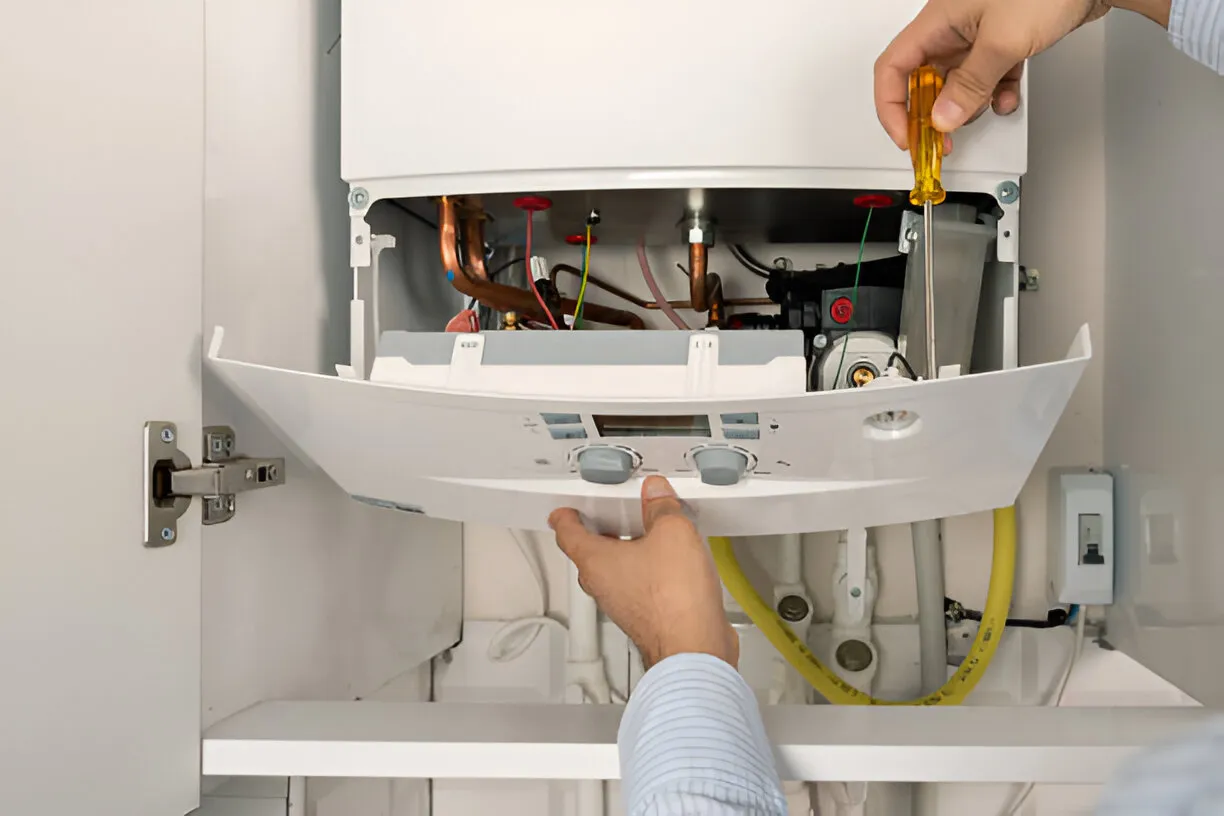
When your heating system fails in Metro West, FL, you need clear answers and dependable service. Even though Central Florida winters are mild, homeowners rely on heat occasionally for overnight comfort, humidity control, and to protect pipes on the coolest nights. Heating Repair in Metro West, FL focuses on diagnosing furnace and heat pump problems common to the area, explaining repairs and options, and helping homeowners choose the most reliable, cost-effective solution.
Why local factors matter
- Metro West homes frequently use heat pumps rather than gas furnaces because heat pumps handle both heating and cooling year-round.
- Intermittent heating use can hide problems until they become urgent in a cool snap.
- High humidity and occasional salt-laden air (for homes near lakes or coastal corridors) can accelerate corrosion on outdoor units and electrical contacts.
- Local building codes and permitting practices affect repair and replacement work — expect technicians to be familiar with Orlando/Orange County requirements.
Common furnace and heat pump failure modes in Metro West
- No heat or intermittent heat: thermostat issues, blown fuses, damaged control boards, or failed ignition components in furnaces; compressor or reversing valve problems in heat pumps.
- Short cycling (turning on and off frequently): blocked airflow, oversized equipment, failing capacitors, or refrigerant problems in heat pumps.
- Weak airflow or uneven heating: dirty filters, failing blower motors, duct leaks, closed/blocked vents.
- Strange noises: failing bearings, loose panels, refrigerant flowing loudly during defrost, or metal expansion.
- High electric bills or reduced efficiency: dirty coils, bad capacitors, low refrigerant charge, or failing motors.
- Frozen coil or outdoor unit icing (heat pumps): restricted airflow, low refrigerant, or failed defrost controls.
- Gas furnace safety issues: ignition failure, flame sensor or pilot issues, cracked heat exchanger, or carbon monoxide risk. Any suspected gas or CO issue should be treated as an emergency.
Diagnostic and troubleshooting steps (what a pro will check)
- Visual inspection: power, switches, service panels, and safety interlocks.
- Thermostat verification: correct mode, calibration, batteries, and wiring integrity.
- Electrical checks: breakers, fuses, contactors, capacitors, and voltage to motors and compressors.
- Airflow assessment: filters, blower motor, belts, and ductwork for obstructions or leaks.
- Refrigerant and pressure checks (heat pumps): verify charge level and look for leaks.
- Combustion and venting inspection (gas furnaces): ignition system, flame sensor, gas valve operation, and vent blockage.
- Control and sensor testing: limit switches, pressure switches, and control board diagnostics.
- Safety and CO testing when applicable: CO detectors and flue inspection for combustion systems.
Homeowner troubleshooting tips (safe, first checks)
- Confirm thermostat is set to heat and temperature is above room temp.
- Replace or inspect the air filter.
- Check circuit breakers and the emergency shutoff switch at the outdoor unit.
- Ensure outdoor heat pump unit is clear of debris and vegetation.
- Inspect condensate drain pans and lines for blockage.
If basic checks don’t restore heat, a professional diagnostic is recommended to prevent damage or safety hazards.
Emergency and same-day repair options
In Metro West, same-day or emergency service is critical when:
- There is no heat during unexpected cold nights.
- You suspect a gas leak or carbon monoxide — evacuate and get emergency service immediately.
- There are burning smells, visible electrical arcing, or smoke from the unit.
Emergency triage focuses on safety items first: turning off gas or electrical supplies if needed, securing living spaces, and making temporary fixes (like bypassing faulty thermostats or clearing drains) only when safe. Expect technicians to provide clear next steps and an estimated timeline for a permanent repair.
Parts and labor standards, warranties, and transparent estimates
- Parts: Trustworthy repairs use high-quality parts — OEM or equivalent components specified for your make and model. For heat pumps this may include compressors, reversing valves, or fan motors; for furnaces common parts include ignitors, flame sensors, control modules, and heat exchangers.
- Labor: Repairs should be performed by trained, certified technicians using industry-standard tools and diagnostic equipment. Proper documentation of work and component serial numbers is standard practice.
- Warranties: Estimates should clearly state manufacturer parts warranty and any labor warranty offered for the repair. Typical practice is a written labor warranty for a specified period and manufacturer warranties for parts. Always request the warranty terms in writing.
- Transparency: A competent repair estimate will be line-itemized with diagnostics, parts, and labor separated. It should explain why a repair is recommended, include any permit requirements, and show options if replacement is being considered.
When to repair versus when to replace
Consider repair when:
- The system is relatively young (generally under 8-10 years for heat pumps, under 10-15 for well-maintained furnaces).
- The repair cost is a small fraction of replacement and the unit has been reliable.
- The issue is isolated (e.g., a single failed part) with no signs of systemic failure.
Consider replacement when:
- The unit is near or past its expected service life (heat pumps often 10-15 years, older furnaces similarly).
- Repair costs approach or exceed 40-50% of replacement cost after factoring efficiency gains and potential incentives.
- There are repeated breakdowns or safety-related failures (cracked heat exchanger, recurrent compressor failures).
- You want improved energy efficiency and consistent comfort — newer heat pump models offer higher SEER and HSPF ratings, reducing operating costs in Metro West’s mix of heating and cooling needs.
Broader benefits and preventive maintenance
- Timely repairs restore comfort and reduce the risk of further damage or emergency failures.
- Regular maintenance (annual tune-ups for heat pumps and furnaces) extends equipment life, improves efficiency, and prevents common failure modes that show up after long idle periods.
- Replacing aging equipment with a modern heat pump can deliver year-round benefits in Metro West by improving cooling efficiency in summer and heating performance in winter.
Maintenance Plan
Our comprehensive 21-point Tune-up maintenance plan ensures your systems run smoothly year-round, with regular check-ups and priority support.
Heat Pump/ AC Tune-Up
Our Heat Pump/AC Tune-Up ensures peak performance by cleaning coils, checking refrigerant, lubricating parts, and inspecting electrical components. This boosts energy efficiency, extends system life, prevents breakdowns, and lowers utility bills while maintaining optimal home comfort year-round.
Sign Up Today!

Check And Adjust Thermostat As Needed
Check Filter; Replace/Wash As Needed
Check Voltages
Check All Wiring And Connections
Check Starting Contractor
Check All Capacitors
Measure All Motor Amperages
Check Operation of Unit Safety Controls
Check Superheat/Hot Gas Temperature
Check Refrigerant; Charge As Needed
Check Evaporator Condition; Clean As Needed
Check For Rubbing Refrigerant Lines
Check And Clean Condenser Coil
Check Air Temperature Across Evaporator Coil
Lubricate Any Moving Parts
Check Fan Blades For Cracks
Check Condenser Temperature Rise
Check Condensate Drain Or Pump
Check Fuse Disconnects
Check Condition of Ductwork
Wax Top Of Unit
Furnace Tune-Up
Our Furnace Tune-Up optimizes heating efficiency through coil cleaning, burner inspection, airflow checks, and safety control testing. This service prevents costly repairs, enhances fuel efficiency, extends equipment lifespan, and ensures reliable warmth during cold months.
Sign Up Today!
Check And Adjust Thermostat As Needed
Check Filter; Replace/Wash As Needed
Check For Gas Leaks At Furnace
Clean Burners And Controls
Check Safety Controls; Adjust As Needed
Check Flame Sensors
Clean Equipment Interior
Check Fan Control
Check Blower Speed And Operation
Check All Wiring And Connections
Check Connection Of Flue Pipe and Draft Diverter
Check Ignition System
Check Heat Exchanger
Check Complete Furnace Cycle
Lubricate All Moving Parts
Check Pressure Switches And Vent Blower/Draft Inducer
Check Temperature Of Vent Air
Check Air Temperature Across Furnace
Check Condition Of Ductwork
Measure Carbon Monoxide
Clean Equipment Exterior
Customer Testimonials
Discover why our customers love us through their heartfelt testimonials.