



Heating Repair in Montgomery, TX



A working heating system is essential for comfort and safety in Montgomery, TX homes — especially during sudden cold fronts. Whether your home has a gas furnace, heat pump, or split system, reliable heating repair begins with fast, accurate diagnosis of burners, ignition, pilot assemblies, airflow or blower faults, and failing components.
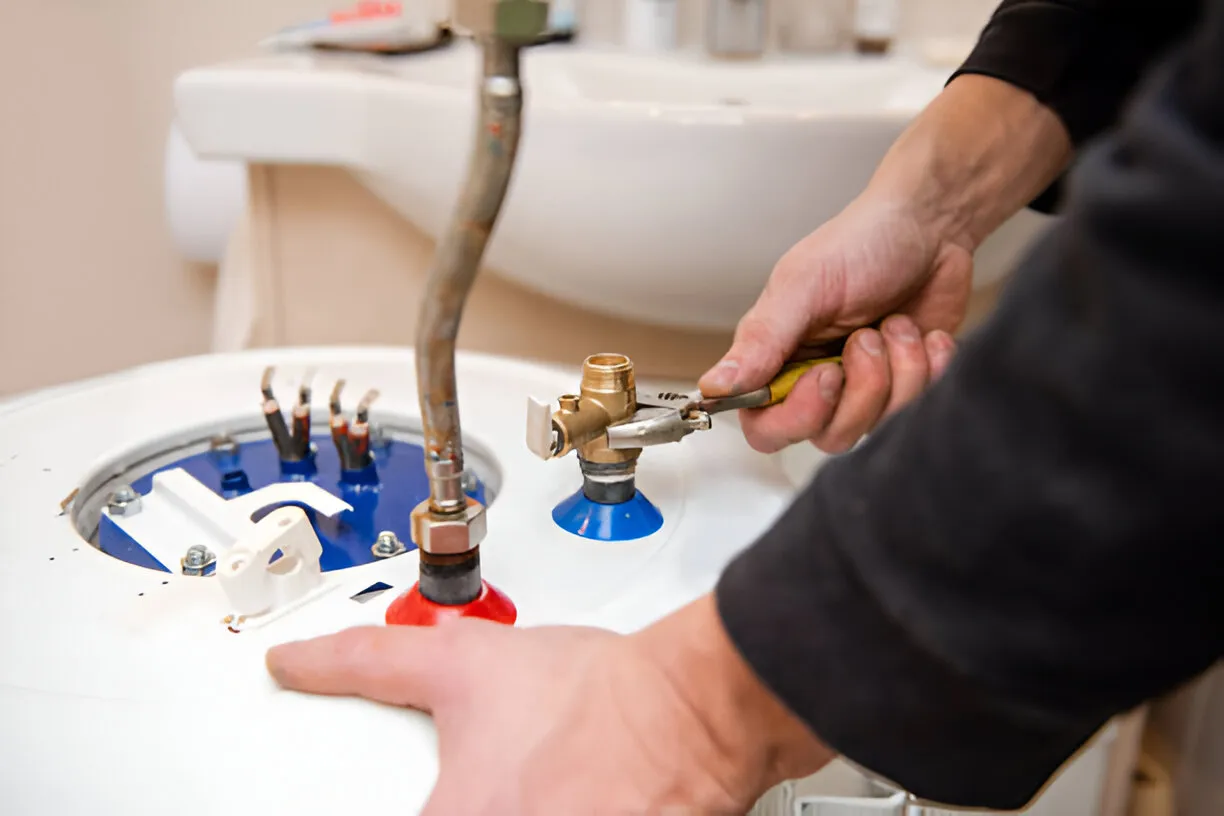
Why heating repair matters in Montgomery, TX
Montgomery experiences mostly mild winters but periodic cold snaps that put a lot of stress on heating equipment that sits mostly dormant the rest of the year. High humidity, pollen and summer heat can also accelerate wear on blower motors, electrical components and control boards. Delaying repairs can increase energy use, lead to unsafe operation, and raise the chance of a no-heat emergency when you need warmth most.
Common heating problems in Montgomery, TX homes
- No heat or intermittent heat: Often caused by ignition failure, pilot issues, or thermostat faults.
- Ignition or pilot light problems: Weak or no pilot flame, faulty thermocouple, or dirty pilot orifice.
- Burner issues: Dirty burners, improper flame pattern, or blocked flue can cause poor combustion and cycling.
- Airflow and blower faults: Clogged filters, failing blower motors, bad capacitors, or closed/blocked vents reduce warm air delivery.
- Strange noises or odors: Squeals, grinding, or burning smells can indicate motor failure, belt wear, or electrical problems.
- Frequent short cycling: Can stem from limit switch faults, poor airflow, or oversized/undersized systems struggling to operate properly.
- Control board or sensor failures: Modern systems rely on electronics that can fail after storms, power surges, or age.
How technicians diagnose heating problems
Technicians follow a step-by-step diagnostic process to identify the root cause rather than just treating symptoms:
- System history and visual inspection: Review recent performance, thermostat settings, and visible signs like soot, rust, or water.
- Safety checks: Verify gas valves, venting and carbon monoxide concerns before operation. If a gas leak or CO risk is suspected, evacuation and utility notification are recommended immediately.
- Thermostat and control verification: Confirm thermostat calls for heat and check wiring, batteries, or programming issues.
- Ignition and flame testing: Inspect pilot assembly or electronic ignition, test flame sensor operation and check for proper flame characteristics.
- Electrical and component testing: Use meters to test capacitors, motors, transformers, and control boards for proper voltage and operation.
- Airflow assessment: Measure static pressure, inspect filters, ducts, and blower assembly for obstruction or failure.
- Combustion and venting checks: For gas systems, evaluate burner combustion, heat exchanger integrity, and flue ventilation.
Technicians document error codes and test results and explain the diagnosis in plain language so you can make informed repair decisions.
Typical repairs and common component replacements
- Flame sensor replacement: Cleans or replaces a fouled sensor that causes ignition to shut off.
- Ignition control/board repair: Replaces failed control modules that prevent the system from starting.
- Thermocouple or pilot assembly service: Repairs pilot-related issues on older furnaces.
- Gas valve replacement: Replaced when valves fail to open or close safely.
- Blower motor or capacitor replacement: Restores proper airflow and stops noisy operation.
- Limit switch replacement: Fixes short cycling caused by faulty high-limit sensors.
- Heat exchanger evaluation: If cracked or corroded, this is a major safety issue that may require replacement of the heating unit.
- Duct sealing and filter replacement: Improves airflow and heating efficiency with minor repairs.
Technicians will prioritize safety-related fixes first and recommend the most cost-effective option that meets current codes and safety standards.
Estimated repair timelines and what to expect
- Minor repairs (filter change, sensor swaps, thermostat fixes): often completed within 30 minutes to 1.5 hours.
- Moderate repairs (blower motor, ignition module, gas valve): commonly take 1 to 3 hours depending on access and parts.
- Major repairs or system replacement (heat exchanger replacement, full furnace replacement): can require a full day or more and may need scheduling for parts and permits.
Repair duration depends on part availability, system age, and whether additional issues are discovered during service. Technicians typically explain estimated timeframes before starting work.
Costs and factors that influence them
Rather than listing prices, understand that repair costs vary widely based on:
- The specific part or assembly that needs replacement.
- Age and condition of the heating unit; older systems may require multiple repairs or replacement.
- Accessibility of components and whether ductwork or controls need service.
- Urgency and after-hours or emergency service availability.
Technicians can categorize repairs as minor, moderate, or major during diagnosis to help you understand expected investment levels without surprises.
Emergency and after-hours heating repair
No-heat emergencies during cold snaps can be dangerous, especially for vulnerable occupants. Emergency and after-hours service is commonly available for heating failures that threaten safety or health. Response times vary by provider and call volume; technicians prioritize safety risks such as complete heat loss, suspected gas leaks, or carbon monoxide alarms.
What homeowners can do before a service visit
- Check thermostat settings and replace batteries if applicable.
- Replace or inspect the air filter; a clogged filter is a common and easy fix.
- Verify circuit breakers and switches for the heating system are on.
- Make sure vents and returns are open and unobstructed.
- Note symptoms: when the problem started, any unusual sounds or smells, and whether the issue is constant or intermittent.
- If you smell gas or suspect a leak, leave the home immediately and contact the local utility or emergency services per safety protocol.
Providing this information saves diagnostic time and can speed repairs.
Benefits of timely heating repair and maintenance
Prompt repairs reduce energy waste, extend equipment life, improve comfort, and address safety risks before they escalate. Regular maintenance, annual inspections before heating season, and addressing small issues quickly help Montgomery homeowners avoid no-heat emergencies during the coldest nights and preserve indoor comfort year-round.
Q: How quickly can a technician diagnose my heating problem?
A: A preliminary diagnosis can often be completed in 30 to 60 minutes on site; full diagnosis with testing and inspection may take longer depending on system complexity.
Q: Are heat pumps and gas furnaces diagnosed the same way?
A: The diagnostic approach is similar but specific checks differ. Heat pumps need refrigerant and reversing valve checks while gas furnaces require combustion and venting inspections.
Q: What should I do if my furnace makes a burning smell?
A: If the smell starts during first use of the season it may be dust burning off; monitor closely. If the smell is electrical or persistent, turn the system off and have it inspected promptly.
Q: Can I do my own repairs to save money?
A: For safety and warranty reasons, component replacements and gas or electrical repairs should be performed by qualified technicians. You can handle basic upkeep like filter changes and thermostat checks.
Q: How often should I schedule heating maintenance?
A: Annual maintenance before the heating season helps catch developing issues and keeps systems running efficiently.
Maintenance Plan
Heat Pump/ AC Tune-Up

Furnace Tune-Up
Customer Testimonials