


Heating Repair in Seminole County, FL



Keeping your home warm and safe during Seminole County's cooler months depends on fast, accurate heating repair tailored to local conditions. While central Florida rarely sees prolonged freezes, short cold snaps, high humidity, and seasonal storms create unique stress on heating systems. Whether you have a heat pump, ductless mini-split, or a gas furnace in pockets of older construction, professional heating repair in Seminole County, FL focuses on diagnosing the true cause, restoring reliable operation, and preventing repeat breakdowns.
Why timely heating repair matters in Seminole County
- Winters are short but can bring unexpected chilly nights that reveal neglected problems.
- Many Seminole County homes rely on heat pumps that both cool and heat; when one function fails, comfort and energy use are affected year-round.
- High humidity and coastal-influenced weather can accelerate corrosion on outdoor components and electrical contacts.
Prompt repair reduces energy waste, prevents emergency failures during cold spells, and extends equipment life.
Common failure modes we see in Seminole County homes
- Ignition problems: Electronic ignition or hot-surface igniters failing to light gas burners on furnaces or gas-fired units.
- Pilot issues: Standing pilot systems or thermocouples that are dirty, misaligned, or failing.
- Blower and motor faults: Weak airflow from worn motors, bad capacitors, broken belts, or clogged blower wheels.
- Thermostat errors: Incorrect settings, wiring faults, calibration drift, or battery and communication issues with smart thermostats.
- Heat pump-specific issues: Reversing valve failures, low refrigerant from leaks, defrost cycle faults, and compressor electrical problems.
- Electrical and safety control failures: Faulty limit switches, blower relays, fuses, or breaker trips caused by underlying issues.
Diagnostic procedures used on-site
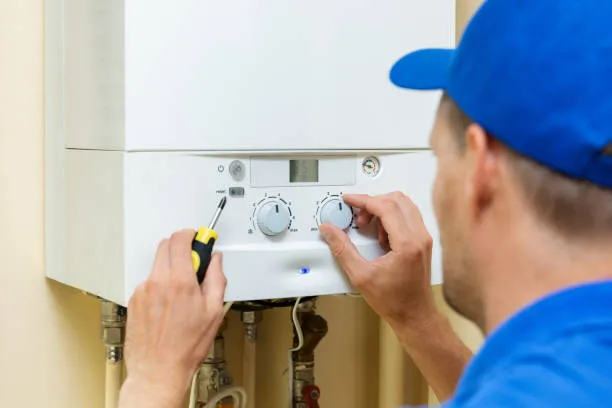
Technicians follow a systematic diagnostic workflow to find the root cause rather than treating symptoms.
- Visual inspection: Check filters, vents, outdoor units, combustion components, wiring, and signs of water or rodent damage.
- Electrical testing: Measure voltages, current draw, continuity, and capacitor condition to identify motor or control issues.
- Combustion and gas checks (for gas systems): Verify safe ignition, measure flame quality, and inspect venting and gas pressure.
- Heat pump checks: Evaluate refrigerant pressures, check for leaks, inspect reversing valve and defrost operation.
- Airflow assessment: Measure static pressure, inspect ducts for blockages or leaks, and confirm blower performance.
- Thermostat and control verification: Test sensors, setpoints, and communications for smart or Wi-Fi thermostats.
Every diagnosis is documented and explained in plain language so you understand the problem, the risks of delaying repair, and the realistic repair options.
On-site repair workflow
- Safety first: Isolate power and gas, ventilate if necessary, and secure the work area.
- Confirm diagnosis: Re-run targeted tests to ensure the replacement parts or repairs will address the root cause.
- Present findings and options: Explain repair versus replacement considerations, projected timeline, and parts needed.
- Perform repair: Replace faulty parts, clean components, tighten electrical connections, and correct combustion or airflow issues.
- Test and verify: Run the system through cycles, confirm safe operation, and measure key performance points.
- Clean up and document: Remove debris, leave the area tidy, and provide a repair summary including parts installed and any warranty notes.
Parts and labor policies (what to expect)
- Standard practice is to use OEM-equivalent or manufacturer-approved parts for safety and longevity.
- Labor warranties and parts warranties vary by component; technicians will disclose typical coverage ranges and what to expect.
- If a full system replacement is advisable due to age or repeated failures, repair documentation will list the recurring issues supporting that recommendation.
- Authorization is requested before any major parts replacement. Emergency temporary fixes may be performed when needed to restore safe operation until full repair is authorized.
Emergency and after-hours response
Seminole County weather events and sudden cold snaps make after-hours response important. Emergency procedures typically include:
- Remote triage over the phone to assess life-safety risks (gas smells, carbon monoxide concerns) and advise immediate actions.
- Prioritization of heating failures that affect vulnerable occupants or present safety hazards.
- Temporary measures when full repairs cannot be completed immediately, such as isolating unsafe components, implementing temporary heat sources guidance, or securing faulty electrical elements until replacement parts arrive.
Typical on-site emergency response times depend on call volume and exact location within Seminole County but are structured to address the highest-risk situations first.
Typical repair timelines
- Thermostat repair or replacement: 30 to 60 minutes.
- Filter changes, control adjustments, small electrical repairs: 30 to 90 minutes.
- Blower motor or capacitor replacement: 1 to 3 hours.
- Ignition control or pilot system repairs: 1 to 2 hours (may vary if parts are needed).
- Refrigerant leak locating and repair on heat pumps: 2 to 6 hours depending on accessibility.
- Major component replacements (compressor, furnace heat exchanger): half day to a full day, sometimes requiring multiple visits.
Complex jobs that require ordering specialty parts or coordinating gas and electrical inspections may extend timelines.
Preventive tips to avoid future breakdowns
- Change or clean filters regularly; clogged filters stress blowers and reduce efficiency.
- Schedule annual maintenance, ideally in the fall for heat equipment and spring for cooling equipment, to catch issues before cold snaps.
- Keep outdoor units clear of debris, mulch, and vegetation to prevent airflow restriction and corrosion.
- Test thermostats seasonally and replace batteries annually or switch to hardwired smart thermostats installed by a pro.
- Seal and insulate ducts to improve airflow and reduce unnecessary run times.
- Address odd sounds, smells, or cycling behavior early; small symptoms often indicate developing problems.
Maintenance Plan
Heat Pump/ AC Tune-Up

Furnace Tune-Up
Customer Testimonials