


Heating Repair in Winter Springs, FL



Keeping your home comfortable during Winter Springs’ cool nights depends on prompt, accurate heating repair. While winters here are milder than in northern states, occasional cold snaps, high humidity, and seasonal system stress mean heating systems must be reliable.
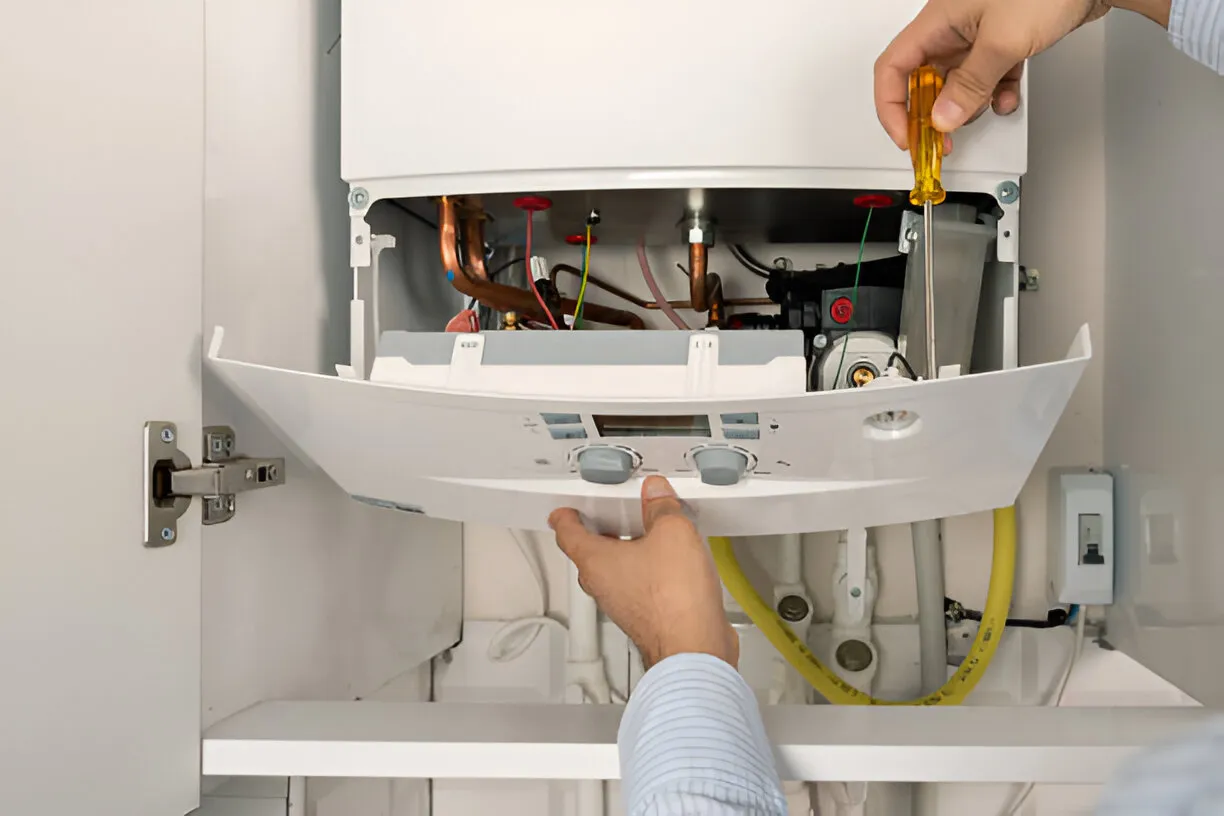
Why timely heating repair matters in Winter Springs
Even though heating demand is seasonal in Seminole County, delayed repairs can cause:
- Higher energy bills from inefficient operation
- Reduced comfort during nights and cold fronts
- Increased risk of safety issues with gas-fired equipment (carbon monoxide, ignition failures)
- Accelerated wear that leads to bigger, costlier breakdowns after the next heavy-use period
Early diagnosis and repair preserve comfort, keep operating costs lower, and extend system life.
Common heating failure symptoms in Winter Springs homes
- Weak or no warm air from vents during heat calls
- System cycles frequently (short-cycling) or runs constantly
- Unusual noises: banging, squealing, or grinding when the blower starts
- Ignition failures or repeated pilot outages in gas furnaces
- Heat pump not producing heat, or blowing cool air instead
- Thermostat not responding or showing error codes
- Tripped breakers or frequent blower failures
- Visible signs of poor combustion: soot, yellow burner flames, or pilot light irregularities
Because many Winter Springs homes use heat pumps and ductless systems as well as conventional furnaces, symptoms can come from refrigeration, electrical, or combustion subsystems.
Diagnostic procedures: what a technician will check
A professional heating diagnosis follows a logical inspection and testing process:
- Visual safety inspection for leaks, rust, or carbon monoxide risk
- Thermostat calibration and wiring verification
- Electrical system checks: breakers, capacitors, relays, and control board diagnostics
- Ignition system tests: hot surface ignitor or pilot assembly inspection
- Burner and combustion analysis on gas equipment (flame pattern, flame sensor condition)
- Blower motor and airflow testing: static pressure, filter condition, duct restrictions
- Refrigerant and reversing valve checks for heat pumps; defrost cycle evaluation
- Reading system error codes and reviewing maintenance history
Results are documented and explained in plain language so you understand the issue and your repair choices.
Typical repairs performed
Common repairs in Winter Springs include:
- Ignition and ignition control
- Replace failed hot surface ignitors or pilot assemblies
- Repair or replace ignition control modules and flame sensors
- Burners and combustion-related work
- Clean or replace burners, adjust flame patterns, and clean combustion chambers
- Replace faulty gas valves or pressure regulators when necessary
- Blower and airflow repairs
- Replace blower motors, bearings, belts, or capacitors
- Clean or repair blower wheels and address airflow problems caused by ducts or filters
- Control and electrical components
- Replace control boards, relays, transformers, thermostats, and wiring
- Address intermittent faults caused by wiring corrosion or loose connectors
- Heat pump-specific repairs
- Compressor and refrigerant leak detection/repairs
- Reversing valve replacement, defrost control repair, or reversing cycle diagnostics
- Duct and vent repairs that affect heating performance
- Identify and recommend solutions for major duct leaks or blocked vents
Estimated timelines
- Initial diagnostic visit: typically 30 to 90 minutes depending on complexity.
- Minor repairs (thermostat, sensor, ignitor, capacitor): often completed same day, usually within a few hours.
- Moderate repairs (blower motor, control board, heat pump component): may require ordering parts and typically complete within 1 to 3 days.
- Major repairs or system replacement: scheduling and permitting can extend the timeline to several days to a week.
Technicians will provide an estimated completion time after diagnosis and explain any factors that could delay repairs.
Parts replacement policy and warranties
Reliable repair practice includes:
- Replacing failed parts with OEM or manufacturer-equivalent components when available
- Documenting serial numbers and warranty status for replaced parts
- Providing written information on warranty coverage for both labor and parts as applicable
- Advising when component replacement is a short-term fix versus when a system replacement is more cost-effective due to age or recurring failures
When in doubt, technicians will recommend options that balance safety, reliability, and long-term cost.
Emergency and after-hours repair options
Heating problems that pose safety risks (gas odor, carbon monoxide alarms, or loss of heat during a severe cold snap) are treated as emergencies. Many local providers in Winter Springs offer:
- After-hours emergency response with prioritized scheduling for safety issues
- Temporary, safe measures to secure the system until permanent repairs can be completed
- Clear documentation of work performed and follow-up scheduling for comprehensive repairs
Emergency responses aim to reduce immediate risk and restore minimal safe operation.
Technician qualifications and safety standards
Qualified heating technicians servicing Winter Springs homes should be:
- Licensed and insured for HVAC work in Florida
- EPA certified for handling refrigerants
- Trained on heat pump, furnace, and ductless technologies common in Central Florida homes
- Experienced with combustion analysis and carbon monoxide safety checks on gas systems
- Background-checked and following local code and permit requirements
Ask about training credentials and industry certifications if verification is needed.
Cost and estimate process
Transparent estimates typically include:
- A clear diagnostic fee or inspection charge explained up front
- Itemized written estimates showing labor, parts, and any required permits
- Options presented: repair vs replace, immediate fixes vs planned upgrades
- Factors that influence cost: system age, accessibility, parts availability, type of system (heat pump vs furnace), and whether ducts or other components need work
Some homeowners choose preventive maintenance plans to reduce the risk of unexpected winter repairs.
Preventive tips for Winter Springs homeowners
- Schedule annual heating system maintenance before the cooler months to catch issues early
- Replace filters regularly and keep vents clear for proper airflow
- Test smoke and carbon monoxide detectors seasonally
- For heat pumps, keep outdoor units clear of debris and vegetation year-round
Maintenance Plan
Heat Pump/ AC Tune-Up

Furnace Tune-Up
Customer Testimonials