


Heating Replacement in Metro West, FL



Replacing a home heating system is a big decision for Metro West, FL homeowners. Even though winters are mild in Central Florida, reliable heating matters for overnight comfort, humidity control, and maintaining indoor air quality.
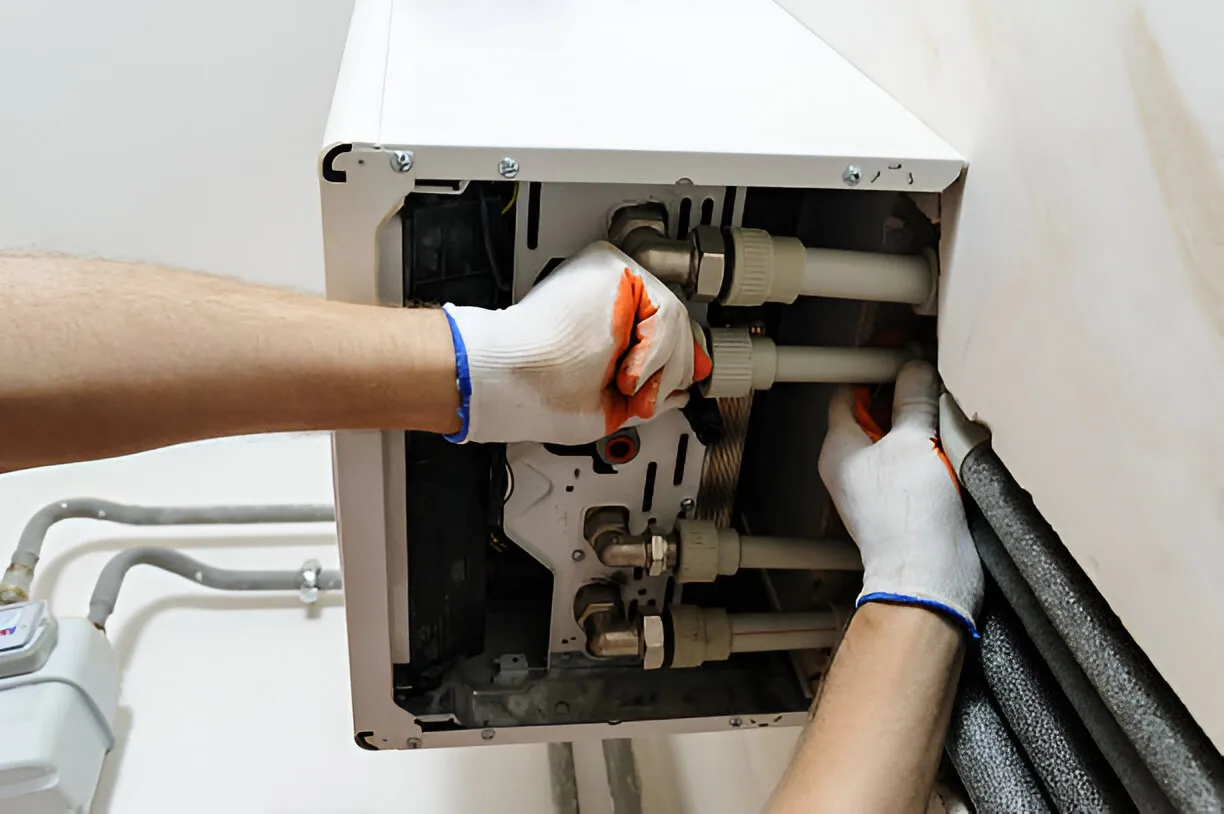
Common signs your heating system needs replacement
- Age of the system: Most residential heat pumps and furnaces show declining performance and reliability after 10 to 15 years. Older systems also use phased-out refrigerants or parts that are harder to source.
- Frequent breakdowns or rising repair costs: If you are calling for service multiple times a season, replacement often costs less over time than repeated repairs.
- Sharp jump in energy use: Higher energy bills for the same use often mean the system is losing efficiency.
- Uneven temperatures or poor airflow: Rooms that do not reach set temperatures can indicate inadequate capacity, failing components, or duct problems.
- Safety concerns: Cracked heat exchangers, persistent gas smells, or frequent pilot/light issues are reasons to stop using a system and choose replacement.
- Noisy operation or excessive cycling: Short cycling or loud operation reduces comfort and shortens equipment life.
What a full evaluation covers
A professional heating replacement evaluation inspects the whole system, not just the furnace or heat pump:
- Equipment age, model, and refrigerant type
- Heat exchanger and burner condition for gas units
- Compressor, reversing valve, and defrost components on heat pumps
- Blower motor capacity and airflow measurements
- Thermostat compatibility and control wiring
- Ductwork condition: leaks, insulation, return-air balance, and routing (Metro West attics and crawlspaces often have poorly insulated ducts that lower efficiency)
- Home heating load calculation (Manual J) to confirm correct system sizing
- Indoor air quality factors such as filtration, humidity, and ventilation needs
The evaluator should provide a written summary with recommended options, expected efficiency gains, and estimated costs so you can compare choices.
Replacement options and which fit Metro West, FL homes
- Modern heat pumps: Most common and practical in Metro West. Heat pumps provide both heating and cooling efficiently in mild-winter climates. Look for higher HSPF ratings, variable-speed compressors, and multi-stage operation for improved comfort and dehumidification.
- Gas furnaces: Viable if natural gas is available and heating loads are higher. Furnaces deliver fast heat, but in Central Florida the year-round cooling load often makes heat pumps a better overall energy choice.
- Ductless mini-splits: Ideal for room additions, poorly ducted areas, or zoned comfort without duct replacement. They offer high efficiency and independent zone control.
- Hybrid systems (dual fuel): Combine a heat pump with a gas furnace and switch between sources for cost or efficiency advantages during temperature extremes.
- Whole-system upgrades: Pairing a new heating unit with better filtration, a smart thermostat, duct sealing, and attic insulation amplifies efficiency and comfort gains.
Efficiency improvements to expect
Upgrading from an older system to a modern high-efficiency heat pump or furnace improves comfort and reduces operating costs. Additional measures that deliver measurable benefits in Metro West include:
- Properly sized equipment using Manual J calculations
- Duct sealing and insulation to prevent energy loss in attics and crawlspaces
- Variable-speed air handlers and smart thermostats for better humidity control and quieter operation
- Enhanced filtration and humidity management for improved indoor air quality during Florida’s humid months
Cost estimates and financial considerations
Replacement costs vary with system type, equipment efficiency, size, complexity of installation, and whether ductwork needs repair or replacement. Expect differences based on:
- Equipment tier: basic, mid-range, or premium high-efficiency models
- Ductwork condition and modifications needed
- Conversion work (for example, switching fuel types or altering registers)
- Local permitting and inspection requirementsMany homeowners offset upfront costs through manufacturer promotions, utility rebates, or energy-efficiency incentives. Eligibility depends on equipment specifications and local programs, so confirm requirements for documentation and registration when planning a project.
Typical replacement timeline
- Initial evaluation and written estimate: usually completed within a single visit
- Ordering equipment and scheduling: depends on availability; commonly a few days to a couple of weeks
- Installation day(s): most residential replacements are completed in one to two days for straightforward installs; complex projects with ductwork or structural modifications may take longer
- Final testing and homeowner orientation: technicians should balance airflow, verify controls, and demonstrate operation before leaving
Removal and disposal of old equipment
Responsible replacement includes safe removal and disposal:
- Recover and recycle refrigerants in compliance with federal and state regulations
- Recycle metals and dispose of hazardous components per local rules
- Properly cap fuel lines and vents for gas systems
- Leave the work area clean and perform final system checks after installation
Warranty information to review
Replacement systems usually include two warranty types:
- Manufacturer warranty: Covers parts and major components such as compressors or heat exchangers. Terms vary by model and often require registration for full benefits.
- Workmanship warranty: Covers installation quality and labor for a defined period. Ask for written terms that specify what is covered and duration.Keep maintenance records and follow required service schedules to maintain warranty validity. Understand exclusions such as improper maintenance, unauthorized repairs, or modifications.
Long-term benefits and maintenance tips
A properly selected and installed replacement heating system improves year-round comfort, reduces energy consumption, increases system reliability, and can improve indoor air quality. To preserve performance:
- Schedule annual tune-ups and cleanings
- Replace filters regularly and use the appropriate MERV rating for your system
- Keep outdoor units clear of debris and maintain proper airflow
- Consider smart thermostat scheduling and zoning to reduce runtime while preserving comfort
Frequently replacing a heating system without addressing ductwork or controls limits the benefits of a new unit. A whole-system approach yields the best comfort and efficiency outcomes for Metro West, FL homes.
Maintenance Plan
Heat Pump/ AC Tune-Up

Furnace Tune-Up
Customer Testimonials