



Heating Replacement in Montgomery County, TX



Replacing your home heater is a major decision that affects comfort, energy bills, and indoor air quality. In Montgomery County, TX, where humid summers and mild winters dominate but occasional cold snaps occur, selecting the right heating replacement ensures reliable warmth when it matters and efficient operation year-round.
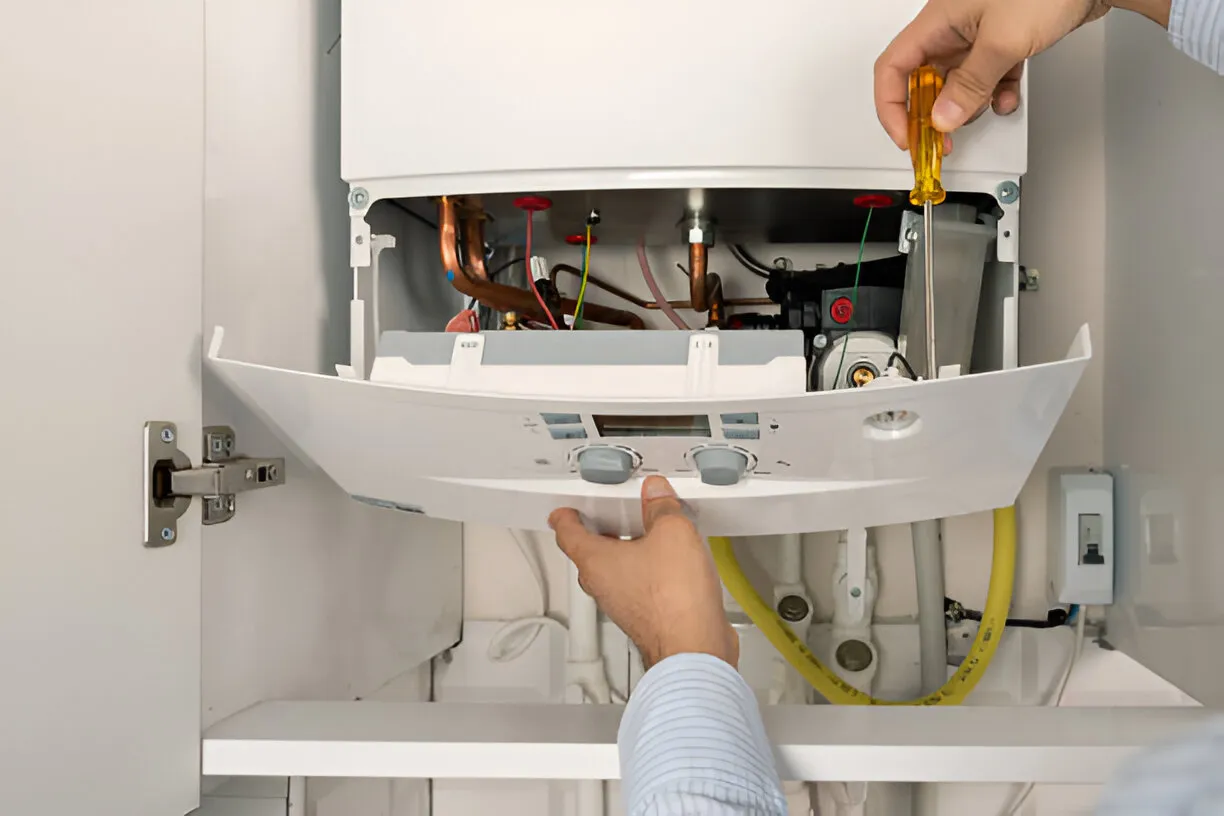
Why replace your heater now
Older or malfunctioning heaters cost more to run, provide uneven heat, and risk breakdowns during cold weather. Typical reasons Montgomery County homeowners choose replacement include:
- Frequent repairs: Repeated service calls indicate rising failure risk and escalating costs.
- Age of equipment: Most gas furnaces and heat pumps exceed expected lifespan after 12 to 18 years. Efficiency drops and parts become scarce.
- Rising energy bills: Older systems with low AFUE or HSPF ratings use more fuel or electricity.
- Poor comfort or humidity control: In humid climates, an inefficient system may struggle to maintain consistent indoor humidity and temperature.
- Safety concerns: Rust, cracked heat exchangers, persistent carbon monoxide alerts, or gas leaks require immediate assessment and often replacement.
- Incompatible with modern controls: If your system can’t support zoning or a smart thermostat, replacement can unlock better comfort management and savings.
Common heating replacement options in Montgomery County
Choosing the right system depends on climate, home design, fuel availability, and long-term cost goals.
- Gas Furnaces
- Pros: Strong heating output during cold snaps, familiar technology, quick recovery.
- Cons: Requires natural gas service or propane; lower overall seasonal efficiency than top-tier heat pumps in mild climates.
- Best for: Homes with existing gas lines and where higher-rated AFUE furnaces make sense for colder winters or certain ducted systems.
- Air-Source Heat Pumps
- Pros: Highly efficient in mild climates, provide both heating and cooling, excellent for Montgomery County where winters are generally mild. Modern cold-climate heat pumps perform well during occasional freezes.
- Cons: Slightly higher upfront cost for top models; may need supplemental heat in extreme cold.
- Best for: Homeowners prioritizing energy savings, year-round comfort, and simplified two-in-one equipment.
- Ductless Mini-Split Heat Pumps
- Pros: Ideal for homes without ductwork, allow room-by-room temperature control, reduce energy waste from leaky ducts.
- Cons: Higher equipment cost per ton; multiple indoor units may be needed.
- Best for: Additions, finishing basements, or homes without practical ductwork.
- Hybrid Systems
- Pros: Combine a heat pump with a gas furnace to optimize efficiency across seasons.
- Best for: Homeowners seeking maximum efficiency while ensuring robust heating during rare cold snaps.
Efficiency and long-term cost considerations
When evaluating replacement quotes, look beyond sticker price. Key factors:
- Rated efficiency: Furnaces use AFUE; heat pumps use HSPF and SEER for cooling. Higher ratings generally mean lower operating costs.
- Lifespan and maintenance: A slightly more expensive, higher-efficiency unit can save significantly over 10–15 years through lower energy consumption and fewer repairs.
- Ductwork condition: Sealing or repairing ducts can increase system efficiency by 10% to 30%. Include duct evaluation in replacement planning.
- Load calculation: A professional Manual J load calculation ensures correct sizing. Oversized systems short-cycle and reduce comfort; undersized units struggle to maintain temperature.
- Local energy costs: Electricity vs gas pricing in Montgomery County affects payback periods for heat pumps versus furnaces. Heat pumps often deliver better value in mild-winter areas.
- Humidity management: Properly sized systems and modern controls help maintain indoor humidity during humid months, improving comfort and reducing mold risk.
Removal, disposal, and installation process
A quality heating replacement includes careful removal of the old unit and professional installation of the new system with attention to code and performance.
- Diagnostic and inspection: Technicians inspect existing equipment, ductwork, fuel lines, ventilation, and electrical connections. A load calculation determines proper capacity.
- Quote and equipment selection: Choose a system sized for your home and matched to your comfort needs and budget.
- Permits and code compliance: Proper permits and gas/electrical codes are followed for safety and resale value.
- Safe removal and disposal: Old equipment is safely disconnected and removed. Refrigerant-containing equipment is handled per EPA rules and recycled or disposed appropriately.
- Installation: Mounting, duct transitions, line sets, gas connections, condensate management, and electrical hookups are completed. New thermostats and controls are installed and configured.
- Testing and commissioning: System performance, airflow balancing, safety checks, and thermostat calibration ensure the system operates as intended.
- Warranty and documentation: Owners receive warranty registration details and maintenance recommendations.
Rebates, incentives, and financing options
Homeowners in Montgomery County may qualify for a variety of incentives that reduce upfront cost or improve payback:
- Federal tax credits: Certain high-efficiency systems can be eligible for federal energy tax incentives.
- State and utility rebates: Local utilities or state energy programs sometimes offer rebates for qualified heat pumps or high-efficiency furnaces.
- Manufacturer promotions: Seasonal manufacturer rebates may apply to specific models.
- Local financing: Many lenders and HVAC providers offer financing plans tailored for home energy upgrades.Eligibility varies by program, equipment, and timing. Combining incentives with lower operating costs often shortens the payback window for a high-efficiency replacement.
Expected improvements after replacement
A properly selected and installed replacement system delivers:
- More consistent comfort with better temperature balance and fewer cold spots.
- Lower energy bills when upgrading to high-efficiency equipment and sealing ducts.
- Improved indoor air quality through updated filtration and reduced leakage.
- Quieter operation and modern thermostat controls for scheduling and zoning.
- Peace of mind from updated safety features and warranties.
Maintenance and long-term care
To protect your investment:
- Schedule annual professional tune-ups for heating and cooling components.
- Replace filters regularly and follow manufacturer maintenance guidelines.
- Keep outdoor equipment clear of debris and vegetation.
- Monitor system performance and address unusual noises, odors, or cycling promptly.
Maintenance Plan
Heat Pump/ AC Tune-Up

Furnace Tune-Up
Customer Testimonials