



Heating Replacement in Orange County, FL
Heating replacement in Orange County, FL: learn when to replace, compare options and costs, and discover incentives and financing.



Replacing a home heating system is a significant decision. In Orange County, FL, where winters are mild but humidity and occasional cold snaps make reliable heat important, choosing the right replacement ensures comfort, lowers energy bills, and prevents mid-season breakdowns.
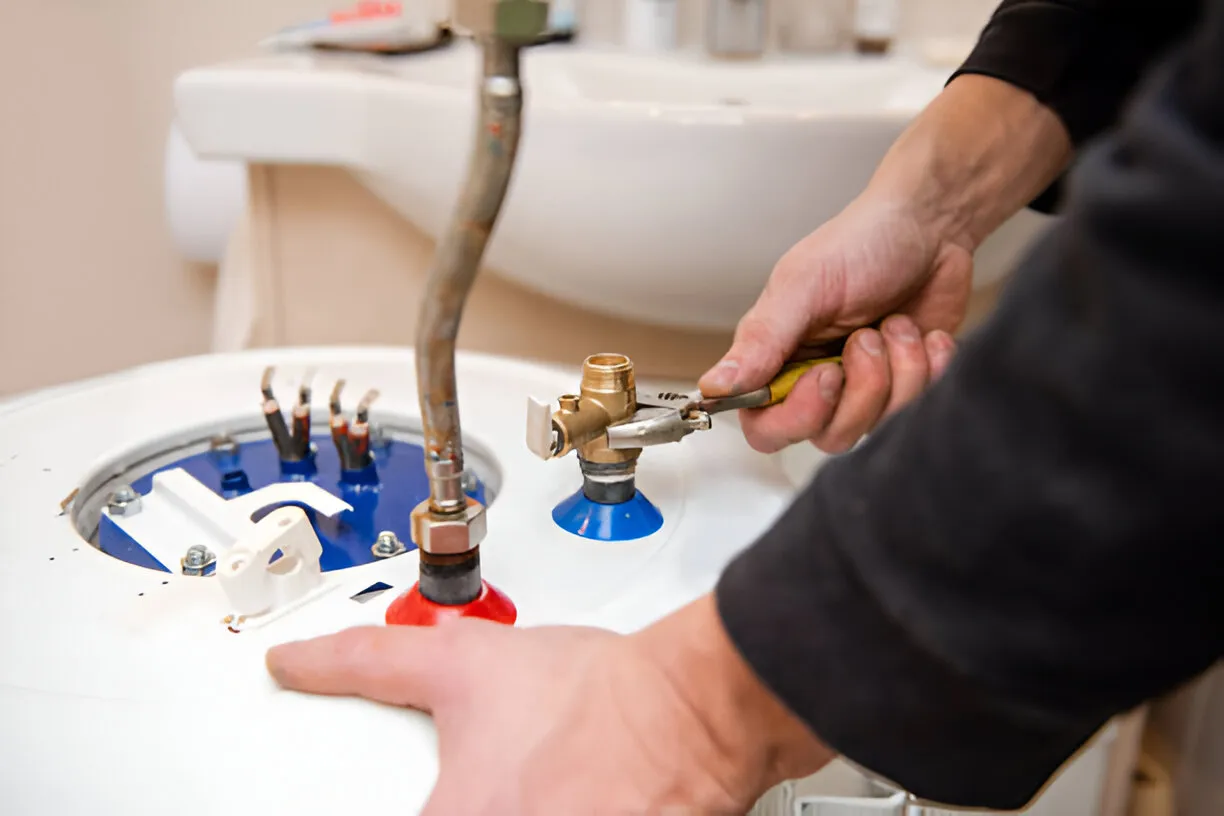
Why replace your heating system now
- Older systems break down more frequently and cost more to repair. Repeated callouts add up.
- Reduced efficiency means higher energy costs even with limited heating use in Florida winters.
- Inconsistent heating, loud operation, frequent cycling, and poor indoor air quality are signs the system is near end of life.
- New systems deliver better temperature control, quieter operation, and lower utility bills year round when paired with a modern thermostat.
Common heating replacement scenarios in Orange County, FL
- Heat pump failure after 10 to 15 years of service. Heat pumps are the dominant heating choice in this region because they also cool your home.
- Aging gas furnaces in homes that still rely on natural gas. Furnaces are less common but still require replacement when AFUE drops or repairs escalate.
- Ductwork incompatibility or extensive leaks that make a replacement more cost effective than repeated repairs.
- Desire to switch to a more efficient system for energy savings, comfort, and potential incentives.
Replacement options and how they compare
- High-efficiency heat pumps
- Best fit for Orange County homes because they provide both heating and cooling.
- Modern units offer higher SEER (cooling) and HSPF (heating) ratings, translating to year-round savings.
- Variable-speed compressors and two-stage models improve comfort and humidity control.
- High-efficiency furnaces
- Considered primarily for homes with existing natural gas service and ductwork sized for gas furnaces.
- Modern high-efficiency furnaces reach AFUE ratings of 90 to 98 percent, cutting fuel use substantially versus older models.
- Less common in this climate unless homeowners prefer gas heat for specific reasons.
- Ductless mini-splits
- Efficient for room-specific heating and ideal for additions or homes without ductwork.
- Offer simple zoning and high efficiency in Florida’s moderate heating demands.
Evaluating cost versus long-term savings
- Upfront cost varies based on system type, capacity, and installation complexity. Rather than focusing only on purchase price, consider lifecycle costs.
- Efficiency gains reduce energy use: replacing a 12-year-old heat pump with a modern high-efficiency unit commonly reduces heating energy use by 20 to 40 percent, and cooling costs as well.
- Payback periods typically range from 3 to 8 years depending on usage patterns, energy prices, and available incentives.
- Improved efficiency also reduces wear on equipment and lowers maintenance costs over time.
- Factor in comfort improvements, noise reduction, and indoor air quality benefits when comparing options.
Incentives and rebates in Orange County, FL
- Federal tax credits and energy efficiency incentives often apply to qualifying heat pumps and ENERGY STAR equipment. These can significantly lower net cost.
- Local utility providers and state programs periodically offer rebates for high-efficiency HVAC systems and smart thermostats. Availability varies by year and program.
- Manufacturer promotions and dealer financing programs can further reduce out-of-pocket expense.
- Verify current programs through your utility or a licensed local HVAC professional to maximize savings before purchase.
Removal and disposal of old equipment
- Proper removal includes safe disconnection of power and fuel, recovery of refrigerant per EPA regulations, and responsible disposal of metals and components.
- Refrigerant recovery is mandatory and must be performed by certified technicians to prevent environmental harm and comply with federal and state rules.
- Old equipment is recycled where possible; documentation of disposal is typically provided for homeowners.
- Homes in densely developed Orange County neighborhoods may have additional municipal disposal requirements; local load-out and access constraints can affect removal methods and timing.
Expected performance and efficiency gains
- Heat pumps: modern systems can raise SEER ratings from the low teens to mid or high teens and HSPF values for improved heating efficiency. This results in noticeably lower monthly bills and better humidity control during shoulder seasons.
- Furnaces: replacing a 70 percent AFUE furnace with a 95 percent AFUE model reduces fuel consumption for heating by roughly one third or more.
- Controls: pairing new equipment with a programmable or smart thermostat improves system responsiveness and can add several percentage points in energy savings.
Typical timeline for a replacement project
- Initial evaluation and system selection: 1 to 3 days for on-site assessment and equipment selection.
- Permits and scheduling: 3 to 10 business days depending on permit timelines and seasonal demand.
- Installation: most straight replacement jobs are completed in 1 to 2 days. More complex jobs with ductwork modifications, gas line work, or electrical upgrades may take 2 to 4 days.
- Post-install testing and homeowner orientation: final checks and system demonstration typically take a few hours after installation.
- Final inspections: if local permits require, inspections add an additional 1 to 3 days.
Financing and discount programs
- Many homeowners use financing options such as 0 percent promotional financing, low-interest loans, or payment plans offered by lenders and manufacturers to spread cost over time.
- Energy-efficient retrofit loans and property assessed clean energy (PACE) programs are available in some Florida communities and allow repayment through property tax bills.
- Seasonal promotions or trade-in discounts for older equipment are commonly offered and can improve upfront affordability.
- When evaluating financing, compare total interest cost, term length, and any prepayment penalties to determine the best option for your budget.
Maintenance and long-term considerations
- Annual maintenance prolongs equipment life and sustains efficiency. Simple tasks like filter changes, coil cleaning, and refrigerant checks matter.
- Properly sized equipment prevents short cycling and uneven heating. Load calculations and duct assessments should be part of any replacement estimate.
- Consider indoor air quality upgrades at the time of replacement, such as better filtration or whole-house dehumidification, which complement modern systems in Florida’s climate.
Maintenance Plan
Our comprehensive 21-point Tune-up maintenance plan ensures your systems run smoothly year-round, with regular check-ups and priority support.
Heat Pump/ AC Tune-Up
Our Heat Pump/AC Tune-Up ensures peak performance by cleaning coils, checking refrigerant, lubricating parts, and inspecting electrical components. This boosts energy efficiency, extends system life, prevents breakdowns, and lowers utility bills while maintaining optimal home comfort year-round.
Sign Up Today!

Check And Adjust Thermostat As Needed
Check Filter; Replace/Wash As Needed
Check Voltages
Check All Wiring And Connections
Check Starting Contractor
Check All Capacitors
Measure All Motor Amperages
Check Operation of Unit Safety Controls
Check Superheat/Hot Gas Temperature
Check Refrigerant; Charge As Needed
Check Evaporator Condition; Clean As Needed
Check For Rubbing Refrigerant Lines
Check And Clean Condenser Coil
Check Air Temperature Across Evaporator Coil
Lubricate Any Moving Parts
Check Fan Blades For Cracks
Check Condenser Temperature Rise
Check Condensate Drain Or Pump
Check Fuse Disconnects
Check Condition of Ductwork
Wax Top Of Unit
Furnace Tune-Up
Our Furnace Tune-Up optimizes heating efficiency through coil cleaning, burner inspection, airflow checks, and safety control testing. This service prevents costly repairs, enhances fuel efficiency, extends equipment lifespan, and ensures reliable warmth during cold months.
Sign Up Today!
Check And Adjust Thermostat As Needed
Check Filter; Replace/Wash As Needed
Check For Gas Leaks At Furnace
Clean Burners And Controls
Check Safety Controls; Adjust As Needed
Check Flame Sensors
Clean Equipment Interior
Check Fan Control
Check Blower Speed And Operation
Check All Wiring And Connections
Check Connection Of Flue Pipe and Draft Diverter
Check Ignition System
Check Heat Exchanger
Check Complete Furnace Cycle
Lubricate All Moving Parts
Check Pressure Switches And Vent Blower/Draft Inducer
Check Temperature Of Vent Air
Check Air Temperature Across Furnace
Check Condition Of Ductwork
Measure Carbon Monoxide
Clean Equipment Exterior
Customer Testimonials
Discover why our customers love us through their heartfelt testimonials.