


Heating Replacement in Winter Park, FL
Heating replacement in Winter Park, FL delivers energy savings, rebates, and a clear installation timeline. Learn more today.



Replacing a heating system is a major decision for any homeowner. In Winter Park, FL, where winters are generally mild but humidity and occasional cool snaps make reliable heating important, choosing the right replacement can improve comfort, indoor air quality, and long-term energy costs.
Why replace your heating system now
- Old equipment costs more to run and breaks down more often.
- Inefficient units struggle to maintain consistent temperature and can worsen humidity control and indoor air quality.
- New high-efficiency systems reduce monthly utility bills and provide quieter, more even heating.
- Replacing before a major failure avoids emergency service calls and can be scheduled for convenience.
Common signs your Winter Park system needs replacement
- Frequent repairs or rising repair bills on a system older than 10 to 15 years.
- Inconsistent temperatures or rooms that never feel comfortable.
- Increasing energy bills without a change in usage patterns.
- Excessive noise, strange smells, or pilot/ignition problems.
- Safety warnings such as cracked heat exchangers, carbon monoxide concerns, or refrigerant leaks.
How technicians evaluate aging equipment
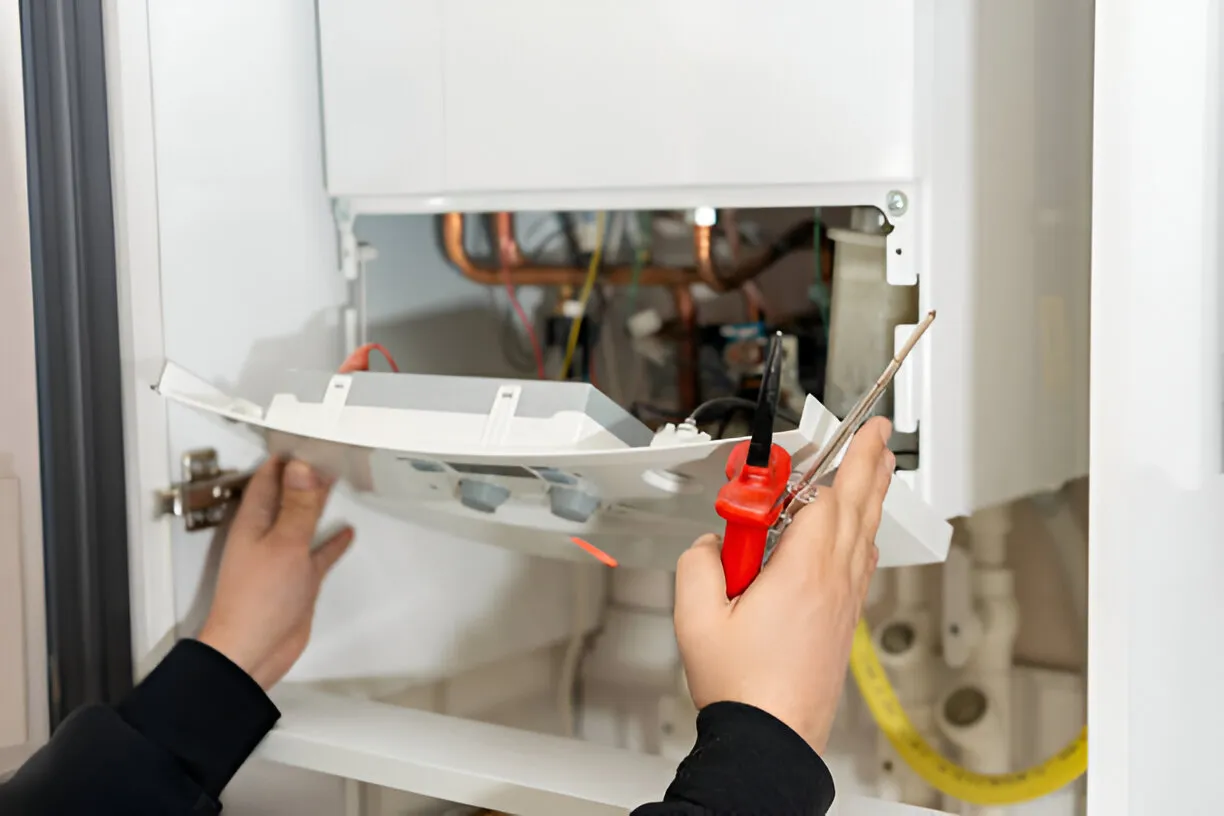
Technicians perform a systematic assessment before recommending replacement. Typical evaluation steps include:
- Visual inspection of indoor and outdoor units for rust, corrosion, and physical damage.
- Age and service history review to understand repair frequency and previous issues.
- Performance testing: measuring airflow, temperature differential, and energy draw.
- Safety checks: heat exchanger integrity, gas connections for furnaces, and carbon monoxide testing.
- Efficiency metrics: noting AFUE for gas furnaces or HSPF and SEER ratings for heat pumps.
- Ductwork inspection: leaks, insulation condition, and airflow restrictions.
- Load calculation (Manual J) to size a replacement properly for your Winter Park home, factoring in local climate, insulation, and window exposure.
Replacement options for Winter Park homes
- Heat pumps (air-source and variable speed): Best match for Florida climate. Provide both heating and cooling with high efficiency and good humidity control.
- Gas furnaces: Effective when natural gas is available and when homeowners prefer combustion heating. Less common in central Florida than in colder regions.
- Ductless mini-splits: Ideal for room additions, older homes without ductwork, or targeted comfort solutions.
- Hybrid systems: Pairing a heat pump with a gas furnace for optimized performance across temperature ranges.
- Controls and accessories: Smart thermostats, variable-speed blowers, upgraded filtration, and zoning improve comfort and efficiency.
Cost vs efficiency: what to expect
- Upfront cost varies by system type, capacity, and home complexity. Higher initial investment for high-efficiency models is typical.
- Operating cost savings depend on current equipment age and efficiency. Replacing a very old heat pump or furnace can reduce heating energy use by up to 30 to 50 percent, depending on usage patterns and equipment replaced.
- Consider lifecycle cost: lower energy bills, fewer repairs, and longer warranties on new equipment often offset higher upfront price over time.
- Selecting the right size and features (variable speed compressors, modulating gas valves) improves real savings and comfort.
Expected energy savings in Winter Park, FL
- Because Winter Park has mild winters, heat pumps tend to deliver the best return on investment. Modern high-efficiency heat pumps achieve higher HSPF and SEER ratings that translate to lower electric consumption for heating.
- Savings estimates depend on the efficiency gap between old and new units, thermostat settings, and how long the system runs during cooler months. Typical homeowners notice meaningful reductions on winter electric bills and smoother indoor temperatures.
Removal and disposal of old units
- Refrigerant recovery: Technicians must recover refrigerant in compliance with EPA regulations before removing outdoor units.
- Safe disconnect: Gas and electrical connections are safely shut off, and components that pose hazards are handled by trained technicians.
- Recycling and disposal: Metals, plastics, and electronic components are separated for recycling when possible. Hazardous materials are disposed of per local and state rules.
- Documentation: Proper disposal records and any required permits or inspections are managed to meet Florida regulations.
Rebates, incentives, and financing options
- High-efficiency equipment often qualifies for manufacturer rebates, utility rebates, or federal incentives tied to energy efficiency. Availability can change, so homeowners should confirm current programs before purchase.
- Financing programs and payment plans help spread the cost of a replacement. Some options include low-interest loans or energy-efficient product financing.
- A technician or energy advisor can run a cost-benefit estimate showing payback period when rebates and expected monthly savings are included.
Typical replacement project timeline
- Onsite evaluation and load calculation: 1 visit, often same week.
- Proposal and equipment selection: typically within a few days of evaluation.
- Equipment ordering: can range from a few days to a few weeks, depending on model and availability.
- Installation day: for a standard swap, most single-family homes can have complete installation and startup in 1 to 2 days. More complex projects (ductwork, new gas lines, or structural changes) may take several days to a week.
- Testing and commissioning: technicians perform a full system test, balance airflow, and set controls before departure.
- Follow-up: warranty registration and a post-installation check may occur within the first month.
Maintenance and long-term benefits
- Regular maintenance extends system life and maintains efficiency. Annual tune-ups, filter changes, and duct checks keep new equipment performing as expected.
- Expected lifespans: modern heat pumps 12 to 15 years, gas furnaces 15 to 20 years when well maintained.
- Long-term benefits include lower energy bills, improved indoor comfort and humidity control, quieter operation, and potentially higher home resale value.
Maintenance Plan
Our comprehensive 21-point Tune-up maintenance plan ensures your systems run smoothly year-round, with regular check-ups and priority support.
Heat Pump/ AC Tune-Up
Our Heat Pump/AC Tune-Up ensures peak performance by cleaning coils, checking refrigerant, lubricating parts, and inspecting electrical components. This boosts energy efficiency, extends system life, prevents breakdowns, and lowers utility bills while maintaining optimal home comfort year-round.
Sign Up Today!

Check And Adjust Thermostat As Needed
Check Filter; Replace/Wash As Needed
Check Voltages
Check All Wiring And Connections
Check Starting Contractor
Check All Capacitors
Measure All Motor Amperages
Check Operation of Unit Safety Controls
Check Superheat/Hot Gas Temperature
Check Refrigerant; Charge As Needed
Check Evaporator Condition; Clean As Needed
Check For Rubbing Refrigerant Lines
Check And Clean Condenser Coil
Check Air Temperature Across Evaporator Coil
Lubricate Any Moving Parts
Check Fan Blades For Cracks
Check Condenser Temperature Rise
Check Condensate Drain Or Pump
Check Fuse Disconnects
Check Condition of Ductwork
Wax Top Of Unit
Furnace Tune-Up
Our Furnace Tune-Up optimizes heating efficiency through coil cleaning, burner inspection, airflow checks, and safety control testing. This service prevents costly repairs, enhances fuel efficiency, extends equipment lifespan, and ensures reliable warmth during cold months.
Sign Up Today!
Check And Adjust Thermostat As Needed
Check Filter; Replace/Wash As Needed
Check For Gas Leaks At Furnace
Clean Burners And Controls
Check Safety Controls; Adjust As Needed
Check Flame Sensors
Clean Equipment Interior
Check Fan Control
Check Blower Speed And Operation
Check All Wiring And Connections
Check Connection Of Flue Pipe and Draft Diverter
Check Ignition System
Check Heat Exchanger
Check Complete Furnace Cycle
Lubricate All Moving Parts
Check Pressure Switches And Vent Blower/Draft Inducer
Check Temperature Of Vent Air
Check Air Temperature Across Furnace
Check Condition Of Ductwork
Measure Carbon Monoxide
Clean Equipment Exterior
Customer Testimonials
Discover why our customers love us through their heartfelt testimonials.